- Proposed
- Under Assessment
- Preliminary Assessed
- Assessed
- ENPublished
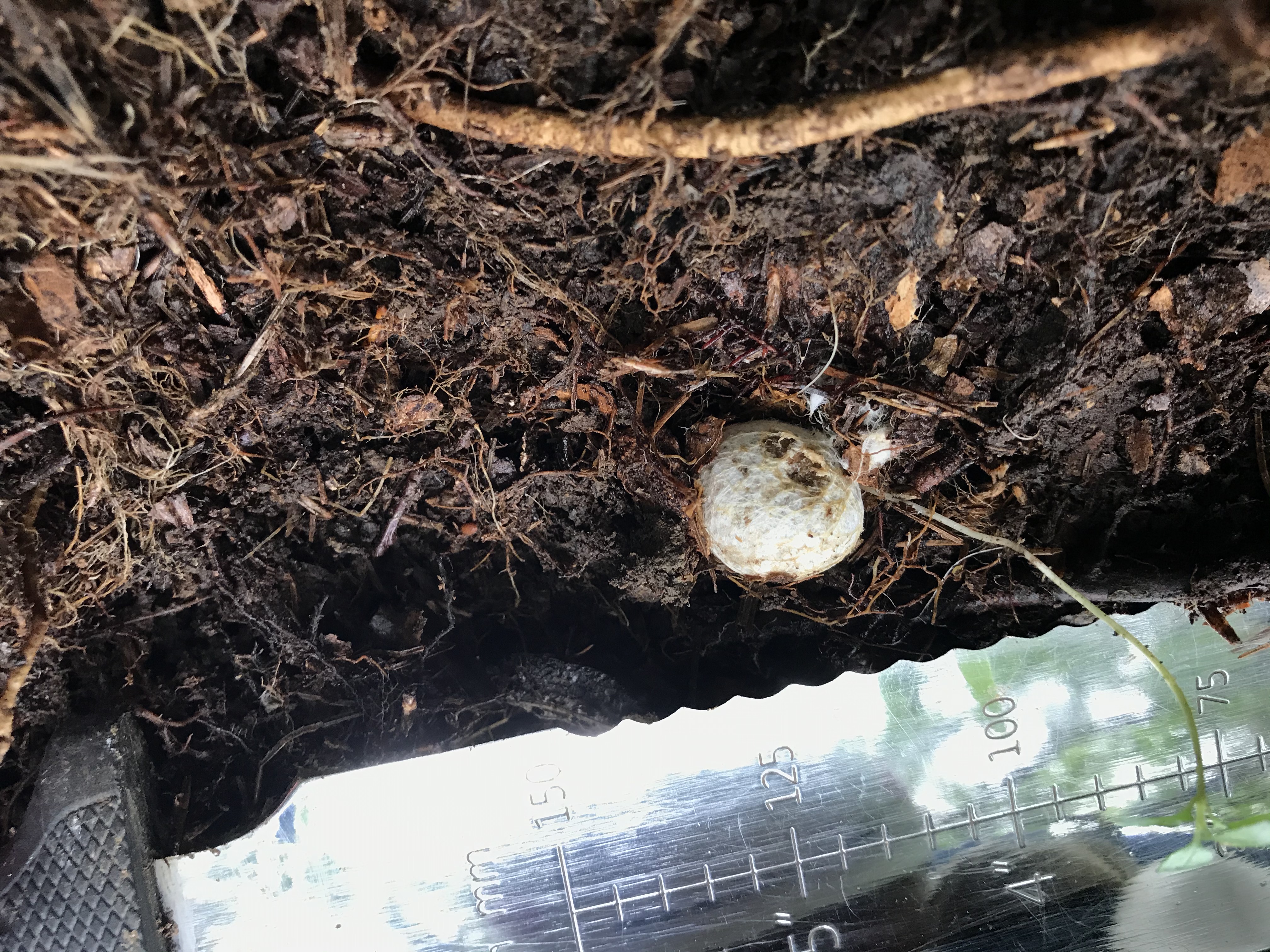
Rhizopogon yakushimensis Y. Sugiy., M. Murata & K. Nara
- Scientific name
- Rhizopogon yakushimensis
- Author
- Y. Sugiy., M. Murata & K. Nara
- Common names
 Yakutanesyoro
- IUCN Specialist Group
 Mushroom, Bracket and Puffball
- Kingdom
- Fungi
- Phylum
- Basidiomycota
- Class
- Agaricomycetes
- Order
- Boletales
- Family
- Rhizopogonaceae
- Assessment status
- Published
- Assessment date
- 2021-03-01
- IUCN Red List Category
- EN
- IUCN Red List Criteria
- B1ab(iii,v)+2ab(iii,v)
- Assessors
- Masao Murata; Kazuhide Nara (Graduate School of Frontier Sciences, Department of Natural Environmental Studies, The University of Tokyo)
- Reviewers
- Anders Dahlberg (Swedish Species Information Centre, Uppsala / IUCN SSC Cup-fungus, Truffle and Ally Specialist Group)
Assessment Notes
Justification
Rhizopogon yakushimensis is an endemic hypogeous ectomycorrhizal fungus confined to and associated with Amami Pine (Pinus amamiana) that only grows on two islands in Japan. Amami Pine is globally Red Listed as Endangered and estimated to consist of about 2,300 trees. Although exploitation of the tree has ceased, infestations with pine wood nematodes continue to cause serious population decline. The status and trend for the population of Amami Pine set that for R. yakushimensis. Hence, R, yakushimensis is assessed as Endangered (EN) based on the restricted geographic range together with few locations.Geographic range
Rhizopogon yakushimensis is an endemic truffle obligately associated with the rare Amami Pine confined to Yakushima and Tanegashima islands in Kagoshima Prefecture, Japan. Using the latest Red List guidance, the extent of occurrence is estimated to be c.1,300 km2, with an area of occupancy (AOO) estimated at 148 km2. This is likely to be an overestimate for the AOO, though as it is unlikely to occupy the entirety of the mapped range.Population and Trends
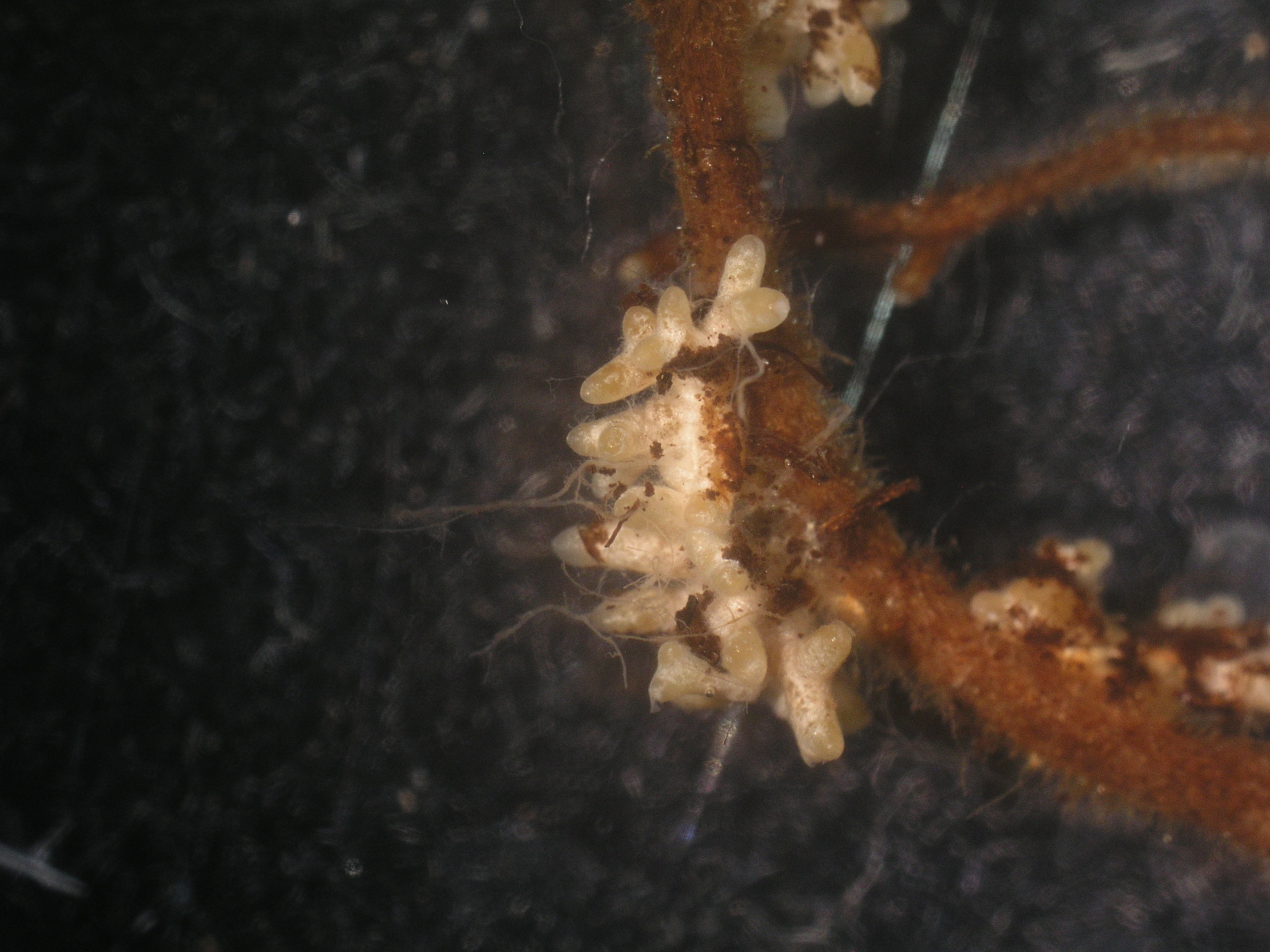
Rhizopogon yakushimensis is confined to the distribution of Pinus amamiana. The population of P. amamiana approximately consists of 2,300 trees; 2,000 on Yakushima and 300 at Tanegashima (Katsuki and Farjon 2013). The exploitation of the tree has ceased, but infestations with pine nematodes continue to cause serious population declines (Katsuki and Farjon 2013). The population size of R. yakushimensis is estimated to be in the same range, or more likely, smaller than that of P. amamiana and to have the same population trend, i.e., declining. A study of mycorrhizal roots and the spore bank in the remaining four stands of Amami Pine revealed R. yakushimensis to be present and one of the dominating species in all stands (Murata et al. 2017).
Population Trend: Decreasing