- Proposed
- 2Under Assessment
- 3Preliminary Assessed
- 4Assessed
- 5Published
Phlyctis communis Chitale & Makhija
- Scientific name
- Phlyctis communis
- Author
- Chitale & Makhija
- Common names
- IUCN Specialist Group
 Lichens
- Kingdom
- Fungi
- Phylum
- Ascomycota
- Class
- Lecanoromycetes
- Order
- Ostropales
- Family
- Phlyctidaceae
- Assessment status
- Proposed
- Proposed by
- Gargee Pandit
- Comments etc.
- Gargee Pandit, Rebecca Yahr
Assessment Notes
Taxonomic notes
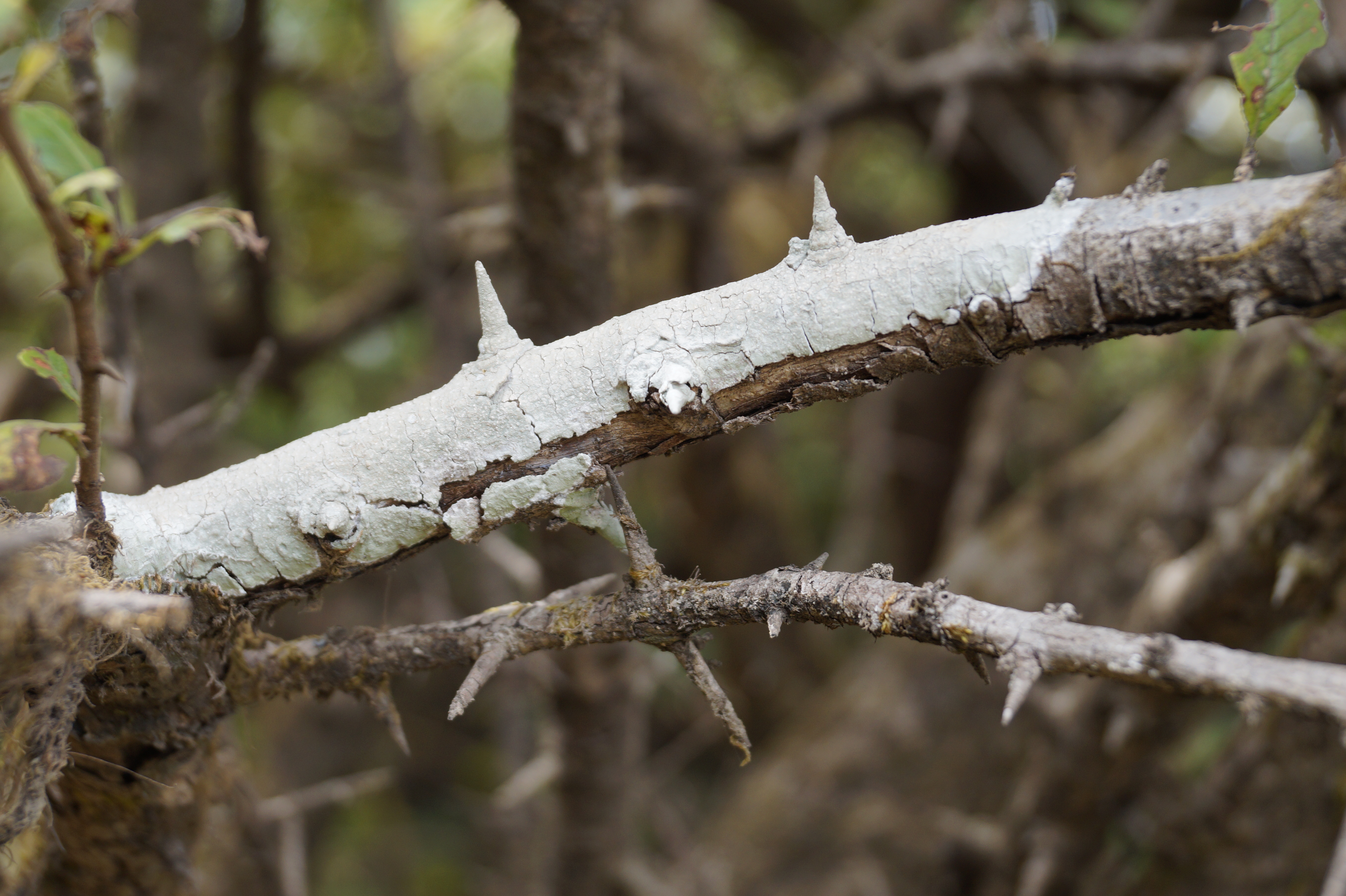
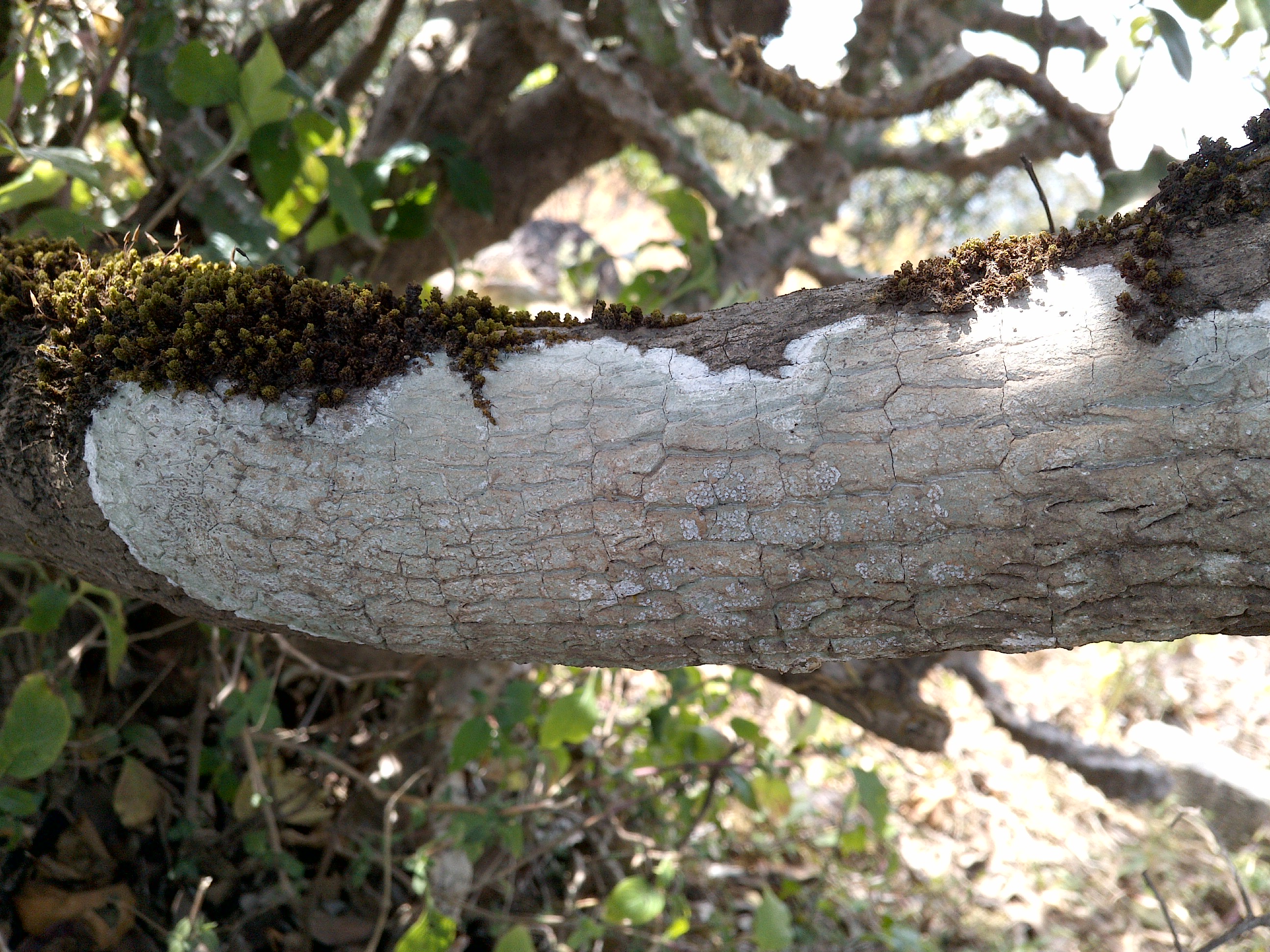
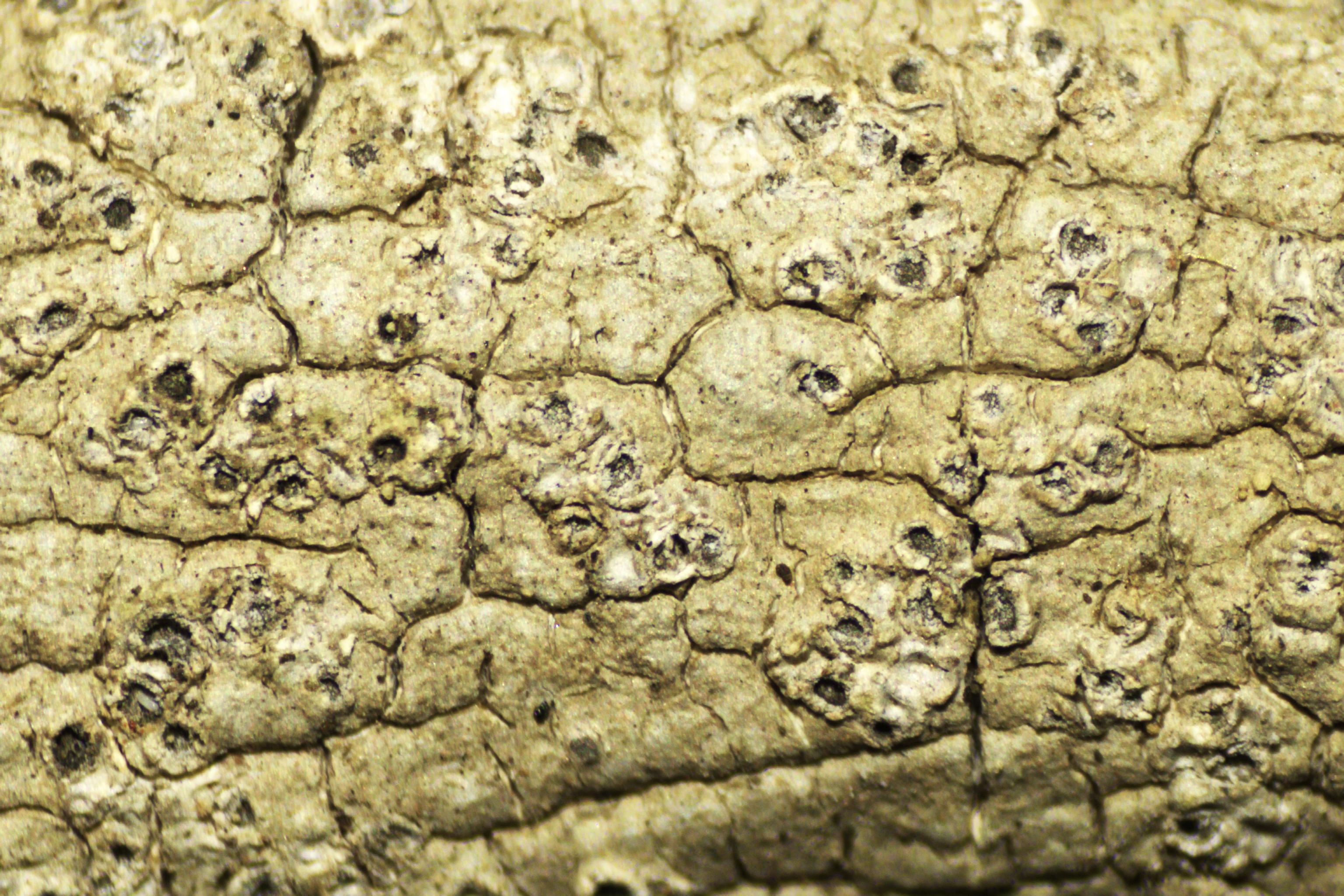
The species was published in 2012. It is widely collected and found all over Maharashtra. Its distribution outside India is still not reported. The species can be mistaken for Arthothelium species or members of Graphidaceae based on external appearance.
Why suggested for a Global Red List Assessment?
The species is published in 2012 since then its not been reported outside India. Within India, it is reported only from Maharashtra up until 2025. Some locations are threatened by tourism, and the species should be strictly conserved and assessed.
Geographic range
India- State Maharashtra. In Maharashtra it is reported and collected from from Kolhapur, Pune, Satara and Sindhudurg districts. Its extent of Occurence is small and its Area of Occupancy is estimated to be < 500 km2
Population and Trends
No quantitative population estimates exist Locally common on trees. but no data on population trends.
Population Trend:
Habitat and Ecology
The species occurs in semi-evergreen to dry deciduous forests, restricted to smooth barked trees. Corticolous (bark dwelling) lichen found on Ficus benghalensis and Casurins eqisetifolia, on Mangifera trees. It tolerates a wide humidity range (15-90%) but depends on intact forest habitats.
Threats
Habitat degradation, urbanization. tourism and cutting down of trees habitat disturbance in Mahabaleshwar. and sometimes climate variability reduces humidity.
Conservation Actions
Protection of the semievergreen and dry deciduous forests in the Western ghats region, ecosensitive zones. Monitor habitat change and potential climate impacts
Research needed
Conduct field surveys to determine AOO EOO and population trends
Use and Trade
not known