- Proposed
- 2Under Assessment
- 3Preliminary Assessed
- 4Assessed
- 5Published
Entoloma atromadidum A.M. Ainsw. & B. Douglas
- Scientific name
- Entoloma atromadidum
- Author
- A.M. Ainsw. & B. Douglas
- Common names
- IUCN Specialist Group
 Mushroom, Bracket and Puffball
- Kingdom
- Fungi
- Phylum
- Basidiomycota
- Class
- Agaricomycetes
- Order
- Agaricales
- Family
- Entolomataceae
- Assessment status
- Proposed
- Proposed by
- Simon Harding
- Comments etc.
- Simon Harding
Assessment Notes
Taxonomic notes
Taxon: Entoloma atromadidum A.M. Ainsw., B. Douglas & L.M. Suz (2018)
Taxonomic group: Fungi – Basidiomycota – Entolomataceae
Taxonomic notes:
Entoloma atromadidum was described as a new species by A.M. Ainsworth, B. Douglas & L.M. Suz in Field Mycology (2018) as part of a modern re‑evaluation of the Entoloma bloxamii sensu lato complex in Britain. Historically, material now referred to this species was included within a broad, blue‑grey “bloxamii” concept, but molecular and morphological evidence has shown that the former aggregate comprises several distinct evolutionary lineages. E. atromadidum forms a well‑supported molecular lineage and is consistently diagnosable using combined macro‑ and micromorphological characters.
The species is characterised by its typically darker, more sombre blue‑grey to blackish basidiomes, together with stable micromorphological features that distinguish it from E. bloxamii s.str., E. madidum, and other segregate taxa. Many historical records now attributable to E. atromadidum were originally filed under E. bloxamii s.l., and only a subset of older material can be confidently reassigned. Modern, sequence‑anchored recording is therefore essential for understanding its true distribution and rarity.
Recognition of E. atromadidum as a separate species improves the accuracy of Red List assessments and site‑based conservation evaluations by ensuring that its distinct distribution, ecology, and scarcity are not obscured within the former aggregate.
Why suggested for a Global Red List Assessment?
Recent taxonomic clarification has shown that Entoloma atromadidum represents a narrowly distributed and ecologically specialised species within the former Entoloma bloxamii sensu lato aggregate. Verified records indicate a very small number of sites across Europe, each supporting few individuals and forming a set of small, isolated subpopulations. The species is restricted to long‑established, nutrient‑poor grasslands that are undergoing continuing decline through agricultural intensification, nutrient enrichment, abandonment, scrub encroachment and development. These pressures imply ongoing reductions in habitat quality, extent and population size. Given the very small inferred global population, severe fragmentation, restricted Area of Occupancy and continuing decline, E. atromadidum meets the conditions for listing as Endangered under EN B2ab(ii,iii,iv) and EN C2a(i), and is therefore proposed for assessment at this level.
Geographic range
Entoloma atromadidum is currently known from a small number of sites in western and central Europe, with confirmed or credible records from the United Kingdom, Sweden, Switzerland, Belgium, Germany and Italy. All occurrences are few in number and highly scattered, reflecting both the species’ genuine rarity and the limited availability of sequence‑anchored or expert‑verified material. Most records derive from long‑established, nutrient‑poor grasslands, and several countries are represented by only one or two verified sites. Although additional populations may remain undetected due to the species’ recent description and historical confusion within the bloxamii complex, the available evidence indicates a restricted and fragmented European distribution.
Population and Trends
There are no direct quantitative population data for Entoloma atromadidum. However:
• the species is strongly associated with semi‑natural, unimproved grasslands
• these habitats have undergone major historical and ongoing declines in both area and ecological quality
• remaining sites are small, isolated, and increasingly fragmented
A continuing decline in population size is therefore inferred from the well‑documented loss, degradation, and fragmentation of suitable habitat across its range. Improved taxonomic clarity has increased the reliability of recent records, but this does not represent any genuine increase in abundance.
Given the restricted and fragmented nature of the habitat, the small and isolated subpopulations, and the ongoing decline in habitat quality and extent, a continuing decline in population size is inferred. These trends support listing the species as Endangered (EN) under criteria B2ab(ii,iii,iv) + C2a(i).
Population Trend: Decreasing
Habitat and Ecology
Entoloma atromadidum is associated with long‑established, nutrient‑poor, semi‑natural grasslands, including calcareous and mesotrophic pastures that have experienced minimal agricultural improvement. It occurs in pastures, meadows, old lawns and churchyards that retain semi‑natural structure and a long continuity of low nutrient input. The species appears tolerant of moderate grazing and a range of sward compositions, but it is not known from intensively managed or fertilised grasslands. Its ecology is consistent with other members of the bloxamii group, which are sensitive to nutrient enrichment, sward modification and habitat fragmentation. Fruiting is typically in late summer to autumn.
Threats
The species is threatened by the ongoing loss and modification of semi‑natural mesic grasslands through agricultural improvement, nutrient enrichment, reseeding, and changes in grazing regimes. Conversion of old pastures and meadows to more intensive management reduces the continuity and structure required for long‑term persistence. Tree planting and other land‑use changes, including afforestation of formerly open grasslands, further reduce suitable habitat and fragment remaining sites. Housing development, road construction, and associated infrastructure works continue to remove or degrade long‑established grasslands, particularly in lowland areas. Because it frequently occurs in churchyards, old lawns, and roadside verges, this species is more exposed than other members of the bloxamii group to amenity herbicide use, a practice known to reduce fungal diversity and suppress fruiting. Additional pressures include soil compaction, drainage, and the gradual homogenisation of grassland communities under modern management.
Conservation Actions
Although no species‑specific conservation measures are currently targeted at E. atromadidum, it benefits from:
• Protection and favourable management of semi‑natural grasslands, including low‑intensity grazing or mowing.
• Avoidance of fertiliser inputs and reseeding.
• Prevention of tree planting on high‑value grassland sites.
• Maintenance of long‑term habitat continuity at known and potential sites.
Sequence‑anchored recording remains essential for monitoring and site evaluation.
Research needed
Further sequence‑anchored surveys are required to clarify the species’ true distribution, population structure and ecological preferences. Monitoring of known sites is needed to assess trends and the impacts of grassland management. Continued taxonomic work will help refine species limits within the former Entoloma bloxamii sensu lato complex, and improved understanding of threats will support more accurate conservation planning.
Use and Trade
Entoloma atromadidum is not known to be Traded or used
Bibliography

Entoloma atromadidum Image © Simon Harding
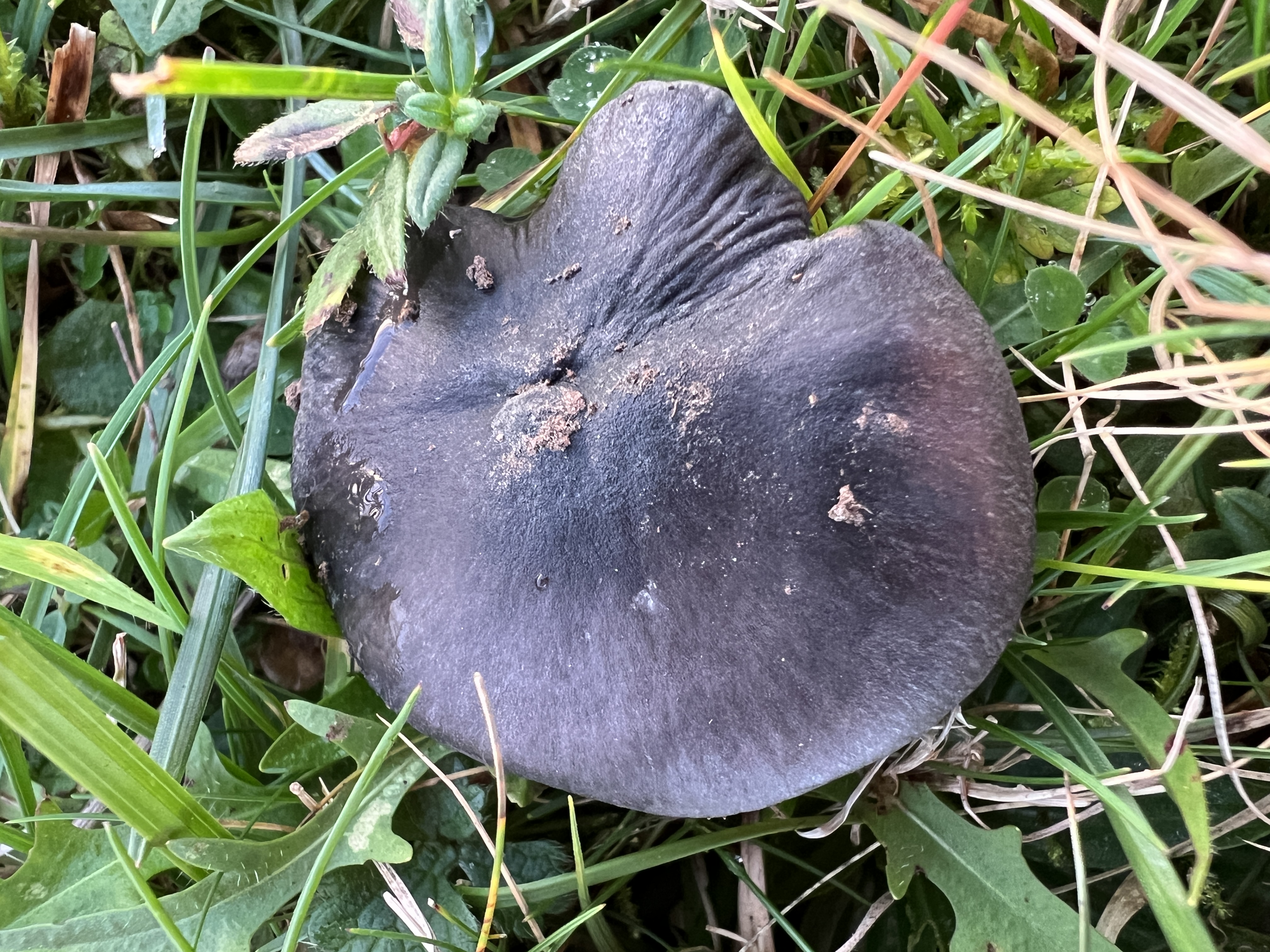
Entoloma atromadidum (sequenced) Cotswolds, England. Image © Simon Harding
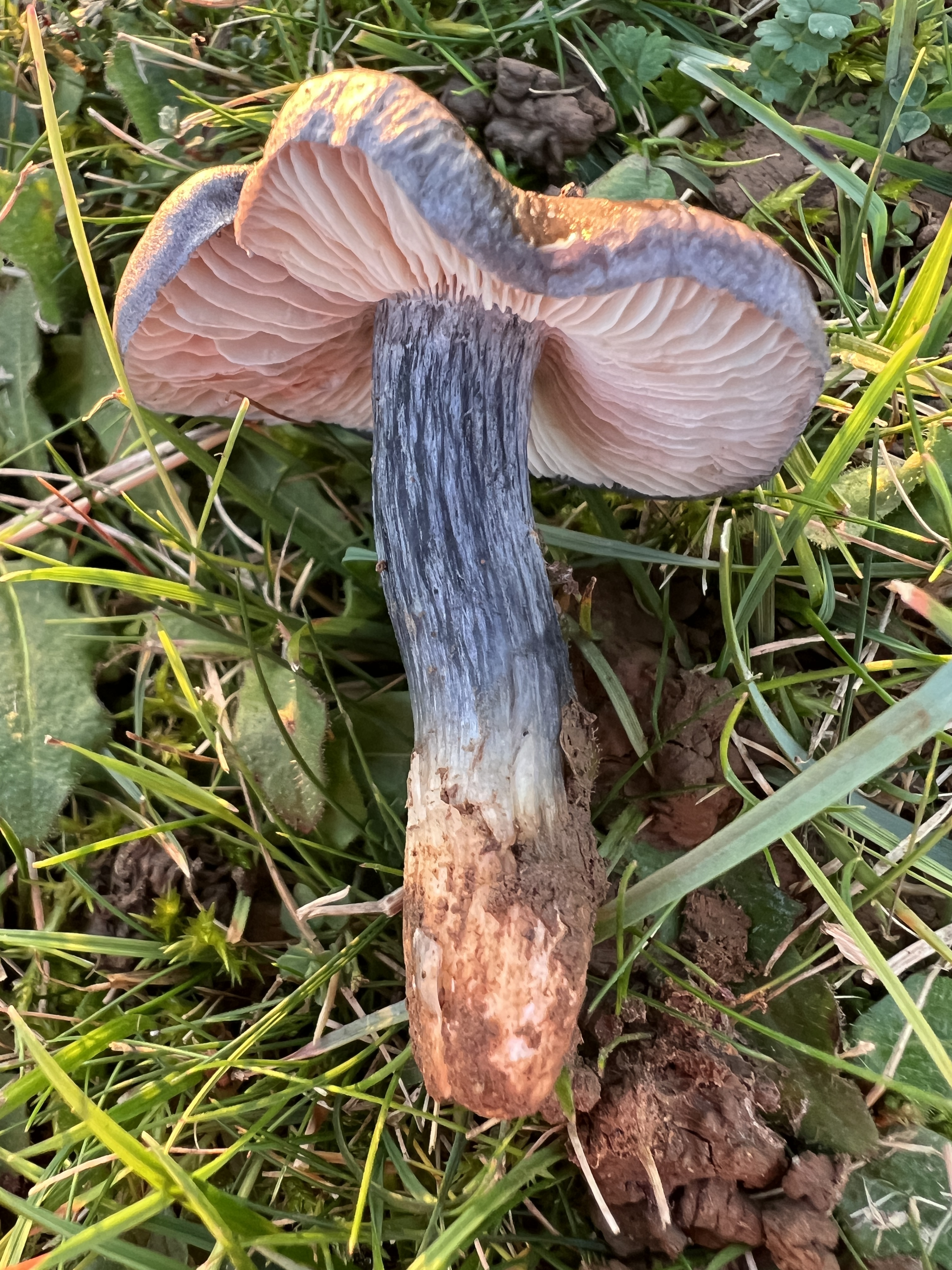
Entoloma atromadidum (sequenced) Cotswolds, England. Image © Simon Harding

Entoloma atromadidum Image © Simon Harding
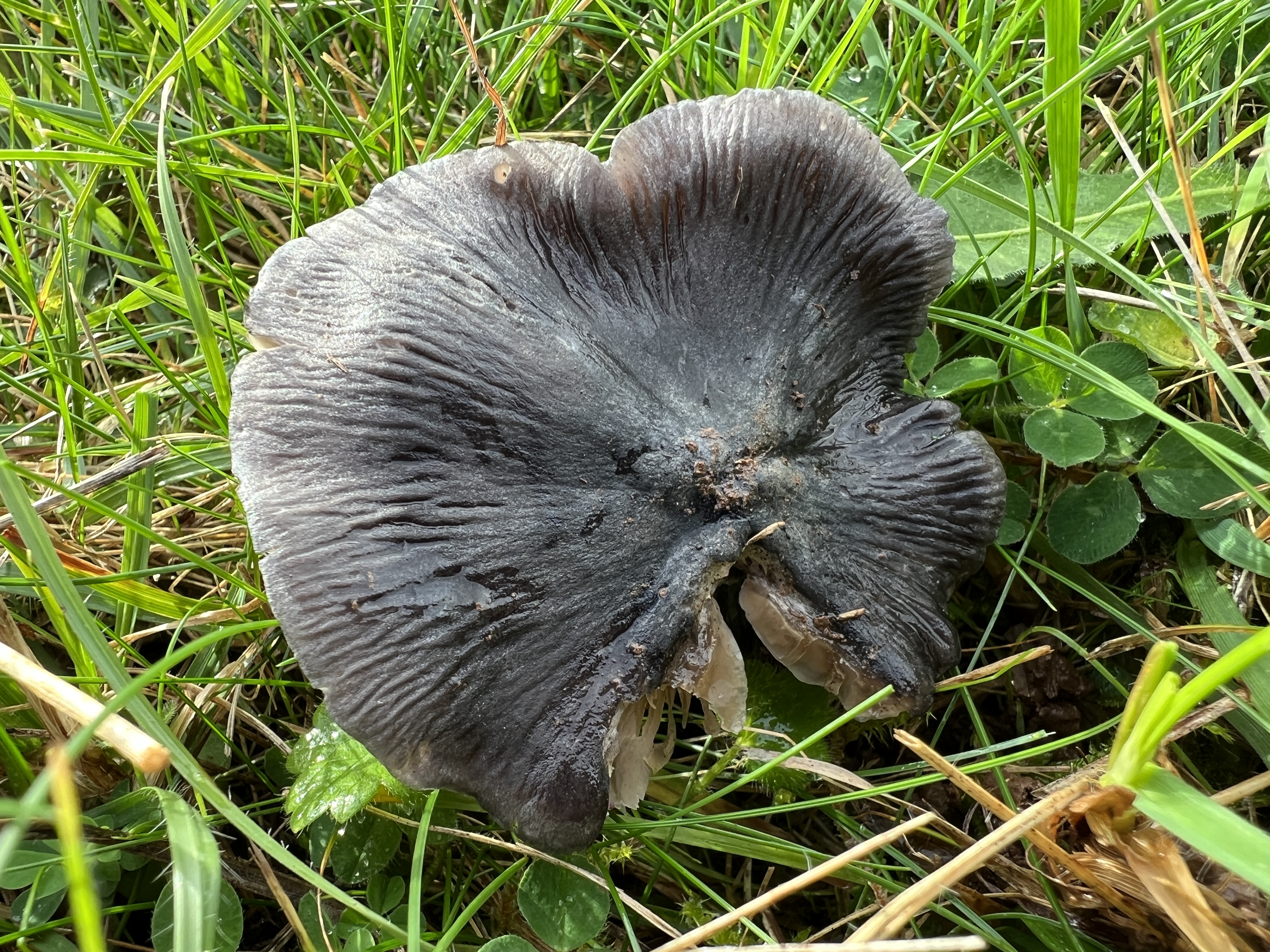
Entoloma atromadidum (sequenced) Cotswolds, England. Image © Simon Harding
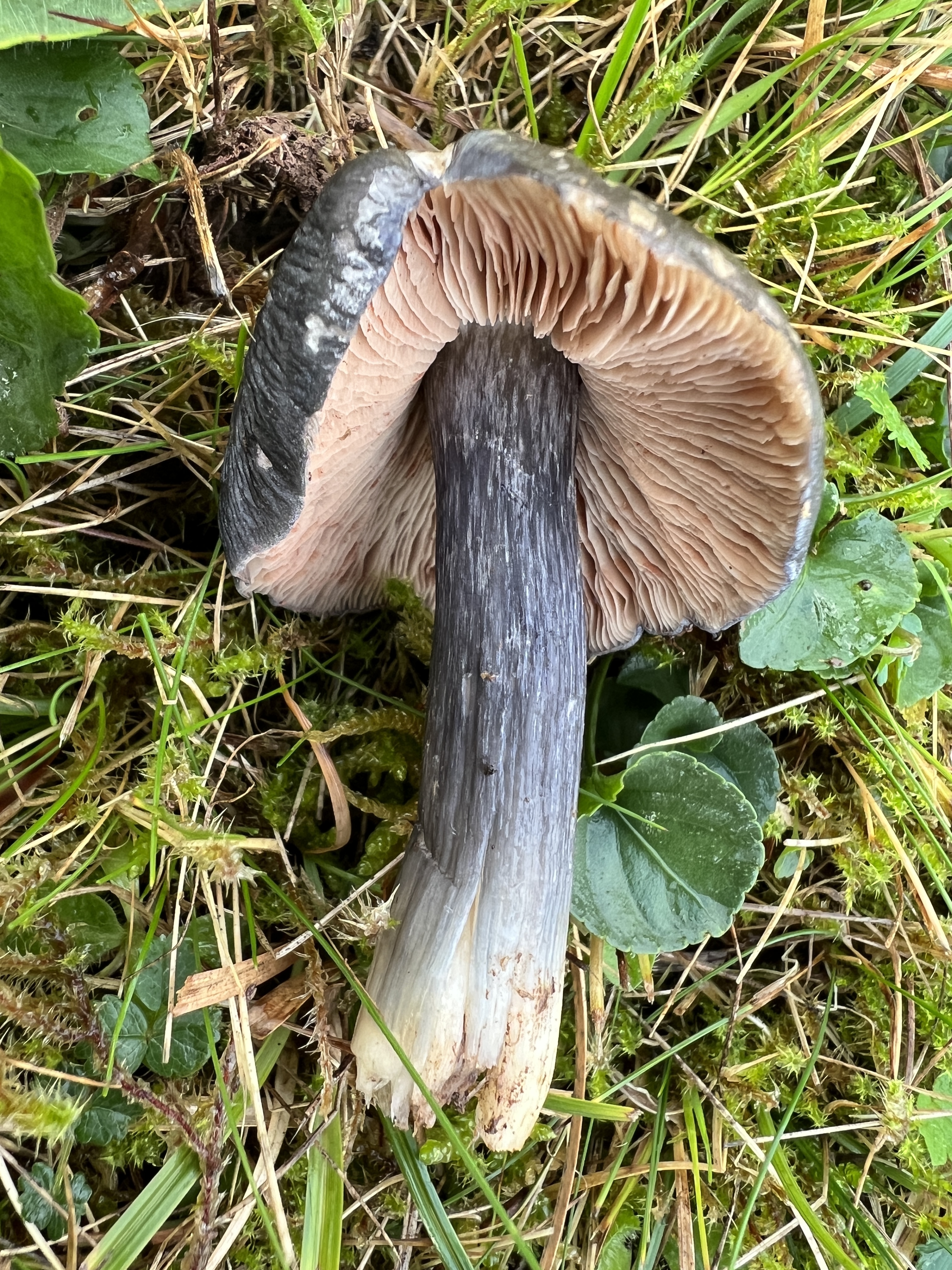
Entoloma atromadidum (sequenced) Cotswolds, England. Image © Simon Harding
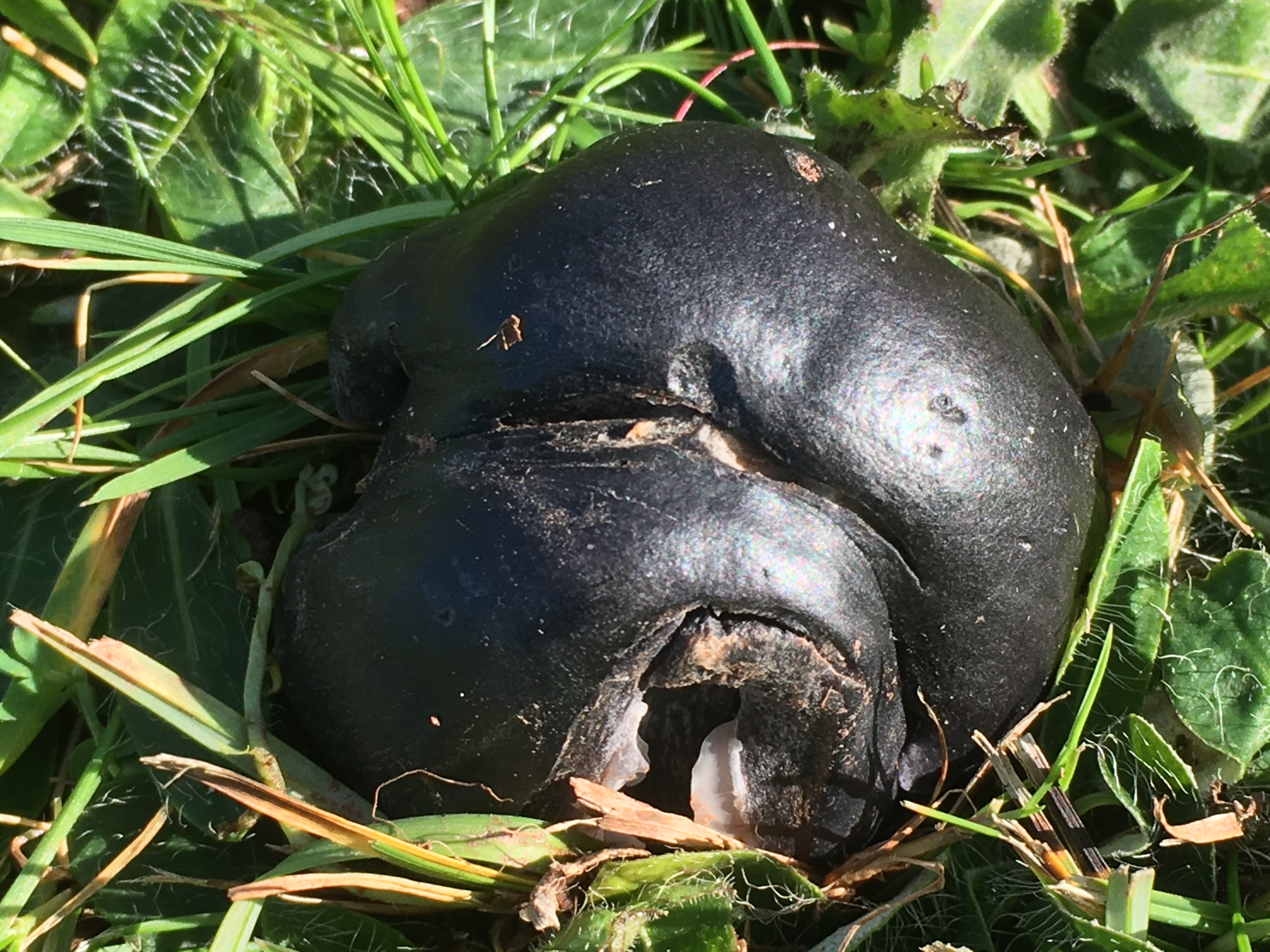
Entoloma atromadidum, South West England. Image © Simon Harding
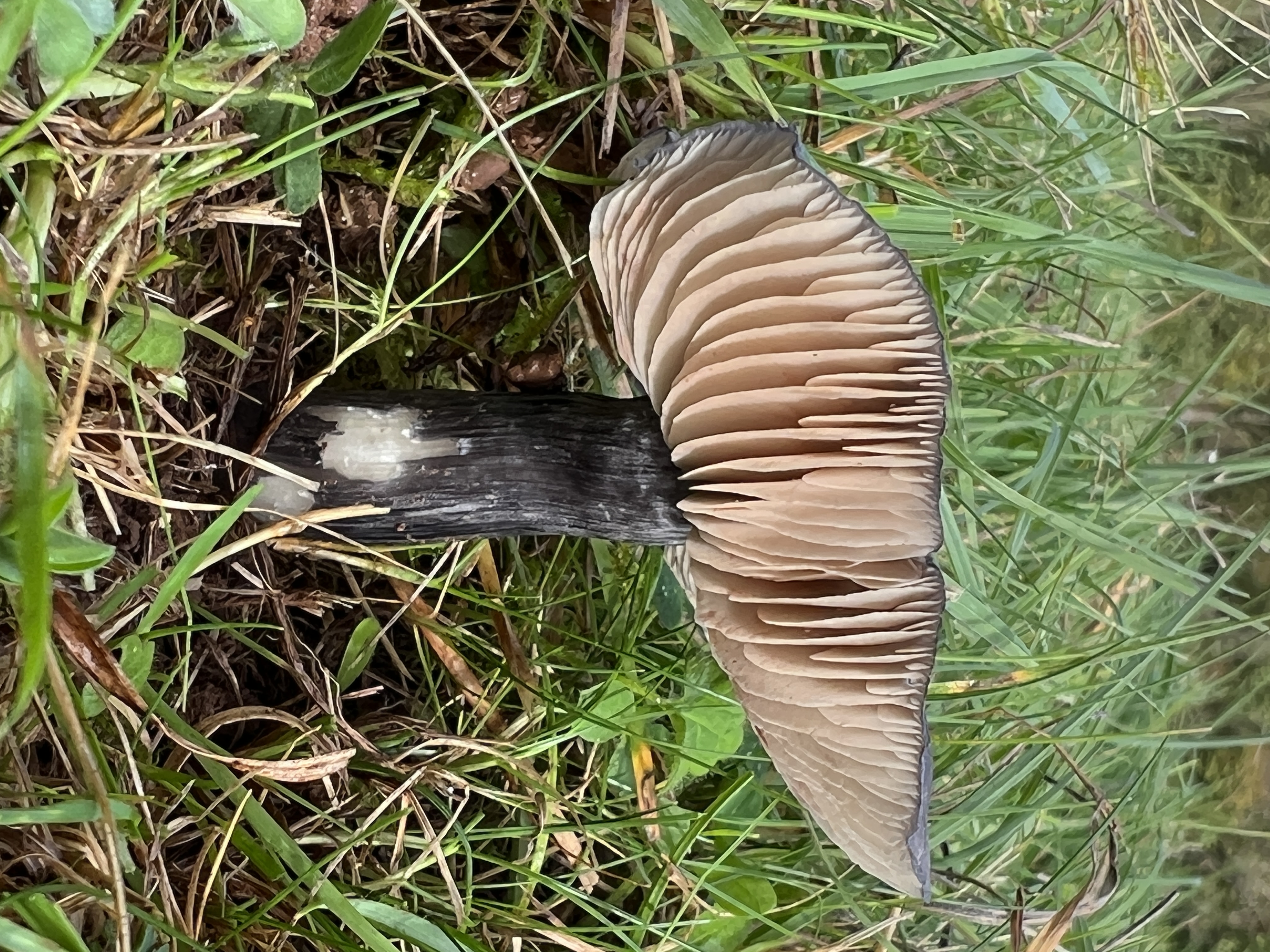
Entoloma atromadidum (sequenced) Bristol, England. Image © Simon Harding
Country occurrence
Regional Population and Trends
| Country | Trend | Redlisted |
|---|