- 1Proposed
- 2Under Assessment
- 3Preliminary Assessed
- 4Assessed
- 5Published
Stereocaulon tennesseense H. Magn.
- Scientific name
- Stereocaulon tennesseense
- Author
- H. Magn.
- Common names
- IUCN Specialist Group
 Lichens
- Kingdom
- Fungi
- Phylum
- Ascomycota
- Class
- Lecanoromycetes
- Order
- Lecanorales
- Family
- Stereocaulaceae
- Assessment status
- Dormant
- Proposed by
- James Lendemer
- Contributors
- James Lendemer
- Comments etc.
- Anders Dahlberg, Giovanna Bishop
Assessment Notes
Taxonomic notes
Why suggested for a Global Red List Assessment?
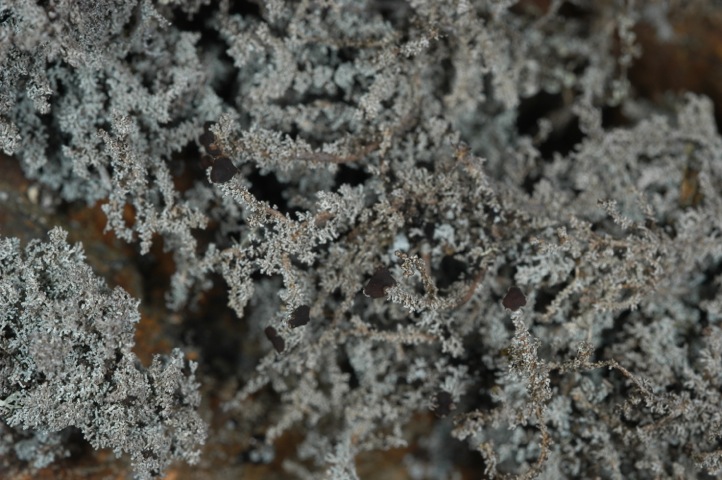
Stereocaulon tennesseense (common name: Tennessee Twist) is a rare species throughout its range in the Appalachian Mountains and Japan. Most populations outside of its core range are known from historical collections, and its core range in the southern Appalachian Mountains is now threatened by many factors.
Geographic range
Stereocaulon tennesseense occurs throughout the Appalachian Mountains of eastern North America from Newfoundland (Canada) to North Carolina and Tennessee (United States) with disjunct populations in eastern Asia (Japan).
Population and Trends
Global population trends require study. Populations are presumed to be stable in the southern Appalachian Mountains. There are small numbers of modern collection from Maine (USA), New York (USA) and Newfoundland (Canada) that indicate the species does persist there.
Population Trend: Stable
Habitat and Ecology
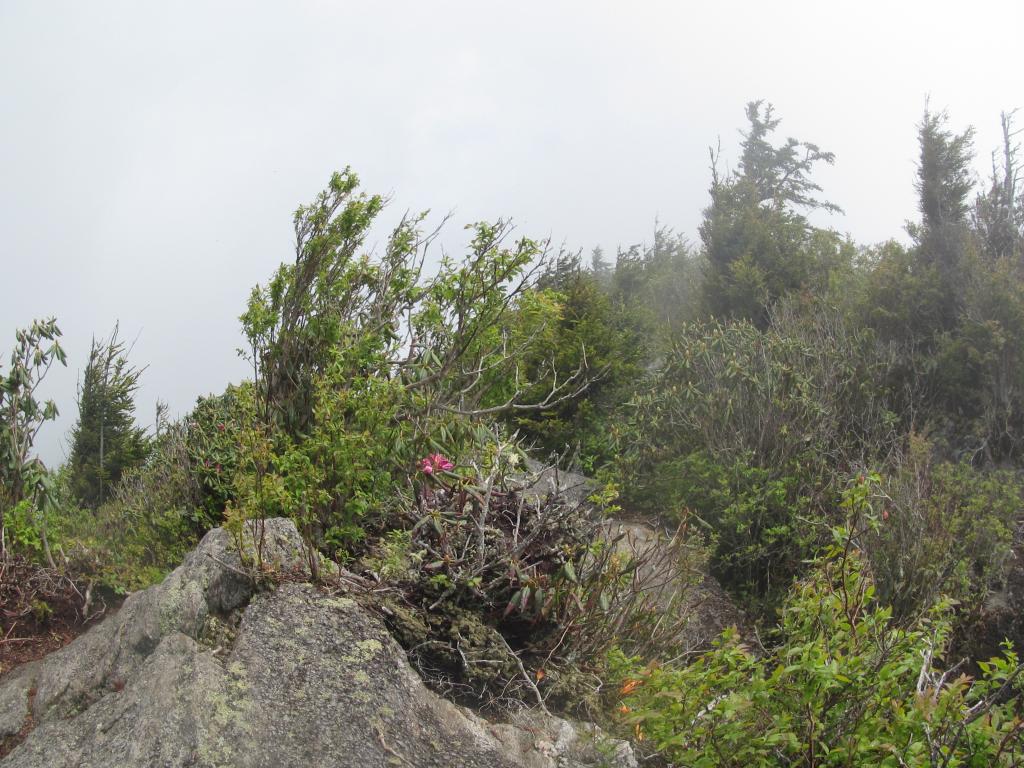
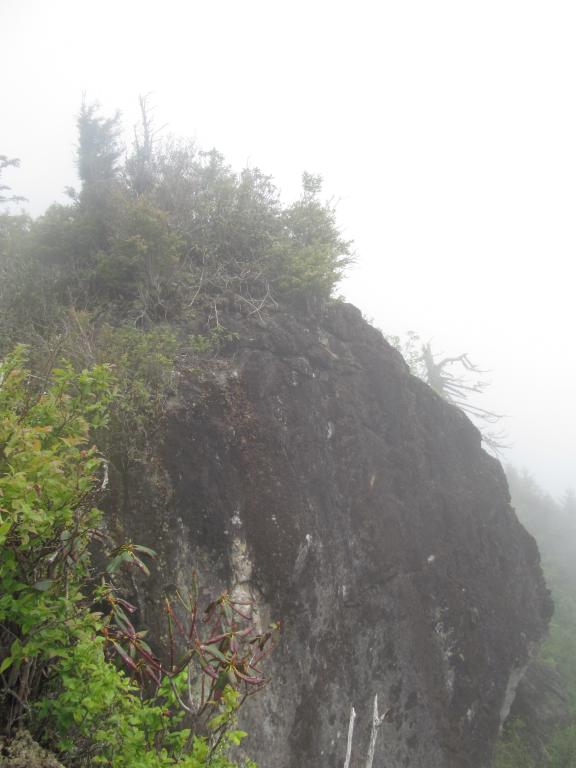
Stereocaulon tennesseense occurs on exposed or somewhat shaded non-calcareous rock outcrops, talus slopes and cliff faces.
Threats
The primary threats to this species stem from 1) changes in habitat (macro- and micro- scales) resulting from deposition of pollutants and altered ecosystem chemistry from acid rain and fog, and 2) changes in habitat (macro- and micro- scales) that are likely to result from climate change, 3) recreation as the many sites where the species occurs have frequent foot traffic from visitors and are otherwise impacted by other types of recreation (e.g., rock climbing). Disturbance of existing populations via mining and other commercial activities is also a concern.
Conservation Actions
Primary conservation actions could include educating and training land managers and local botanists to identify the species so we can monitor its health, federally listing the species as endangered in the United States, improving air quality regulation, and designating critical habitat.
Research needed
The distribution of this species is well understood. Further research that will aid in the conservation of this species includes population assessments and monitoring, population genetics studies, and ecological studies that incorporate threats to the species. Additionally, a species recovery plan needs to be written.
Use and Trade
Bibliography
Brodo, IM/ Duran Sharnoff, S/ Sharnoff, S 2001: Lichens of North America. - Yale University Press, New Haven & London. 795 pp.
Dey, JP 1978: Fruticose and foliose lichens of the high-mountain areas of the southern Appalachians. - The Bryologist 81: 1-93.
J. W. Hinds and P. L. Hinds 2007: The Macrolichens of New England. - Memoirs of the New York Botanical Garden No. 96. New York Botanical Garden Press, Bronx, New York. 584 pp.
Lamb, IM 1977: A conspectus of the lichen genus Stereocaulon (Schreb.) Hoffm. - Journal of the Hattori Botanical Laboratory 43: 191-355.