- Proposed
- 2Under Assessment
- 3Preliminary Assessed
- 4Assessed
- 5Published
Entoloma viiduense Noordel. & Liiv
- Scientific name
- Entoloma viiduense
- Author
- Noordel. & Liiv
- Common names
- IUCN Specialist Group
 Mushroom, Bracket and Puffball
- Kingdom
- Fungi
- Phylum
- Basidiomycota
- Class
- Agaricomycetes
- Order
- Agaricales
- Family
- Entolomataceae
- Assessment status
- Proposed
- Proposed by
- Simon Harding
- Comments etc.
- Simon Harding
Assessment Notes
Taxonomic notes
Accepted name: Entoloma viiduense Noordel. & Liiv (1992)
Family: Entolomataceae
Section: Cyanula
Typification:
Holotype: Estonia, Saaremaa, Viidu, V. Liiv 178.263 (L‑0054049).
Epitype: Estonia, Saaremaa, Kihelkonna, 16 Aug 2010, V. Liiv (TUF106915), designated by Dima et al. (2023).
Taxonomic notes:
The species concept follows Fungi Europaei (2022), which treats E. griseoviridulum and E. ianthinomeleagris as synonyms. The name Agaricus scabrosus Fr. is considered a nomen dubium due to its ambiguous original diagnosis. E. viiduense is therefore the preferred, well‑documented name for this distinct Cyanula species.
Why suggested for a Global Red List Assessment?
Entoloma viiduense is a rare and scattered European species associated with long‑established, low‑nutrient grasslands and semi‑open woodland–grassland mosaics. These habitats are undergoing continuing decline across Europe due to nutrient enrichment, agricultural intensification, abandonment of traditional grazing, scrub encroachment and afforestation. The species occupies a narrow ecological niche, shows low tolerance of disturbance and is known from a small number of widely separated sites. Its restricted Area of Occupancy, fragmented distribution and dependence on declining habitat types indicate that it meets the conditions for listing as Vulnerable under criterion B2ab(ii,iii,iv).
Geographic range
Entoloma viiduense is confirmed from Estonia, Denmark, Norway, Sweden, Finland, Germany, the Netherlands, Spain, Portugal and Great Britain. Despite this broad geographic span, verified records are few and widely separated, reflecting the limited extent of suitable long‑established, low‑nutrient habitats. The distribution is highly fragmented, and the Area of Occupancy is small. Continuing decline in habitat extent and quality across Europe supports an inference of ongoing reduction in AOO and number of locations.
Population and Trends
The species is known from a small number of confirmed sites across Europe, each typically supporting low densities of fruitbodies. The population is inferred to be small, fragmented and declining, reflecting the ongoing loss and degradation of ancient grasslands and semi‑open woodland–grassland mosaics. No evidence suggests that the species can recolonise sites where habitat quality has deteriorated, and local extirpations are expected where nutrient enrichment, abandonment or afforestation occur. No quantitative population data are available, but habitat trends indicate a continuing decline in the number of mature individuals.
Population Trend: Decreasing
Habitat and Ecology
Entoloma viiduense occurs in long‑established, low‑nutrient grasslands (both calcareous and acidic) and in semi‑open woodland–grassland mosaics, including grassy or moss‑rich forest margins and open pine–birch woodland with stable ground layers. These habitats share long ecological continuity, minimal nutrient input and limited soil disturbance. The species forms part of the grassland Cyanula assemblage. Based on current records, E. viiduense is dependent on stable, low‑nutrient soils and habitat structures that have remained relatively unchanged over long periods.
Threats
Entoloma viiduense is restricted to long‑established, low‑nutrient grasslands and semi‑open woodland–grassland mosaics. These habitats have undergone substantial long‑term decline across Europe, with estimates indicating a 30–50% reduction in ancient grasslands over the past 50 years. Key drivers include nutrient enrichment, agricultural intensification, abandonment of traditional grazing, scrub encroachment and afforestation. In semi‑open woodland systems, canopy closure, loss of bryophyte continuity and conversion to denser forest further reduce suitable habitat.
Additional pressures arise from land‑management changes such as tree‑planting schemes, rewilding initiatives that remove or reduce grazing, and habitat conversion associated with agricultural restructuring. These processes alter soil chemistry, vegetation structure and ecological continuity, leading to the loss or fragmentation of the stable, low‑nutrient systems on which the species depends.
Based on its association with ancient, low‑nutrient habitats, a low tolerance of disturbance is inferred, and recolonisation of degraded sites is unlikely. Continuing decline in habitat extent, quality and connectivity is therefore expected across the species’ range.
Conservation Actions
Protect remaining long‑established, low‑nutrient grasslands and semi‑open woodland–grassland mosaics.
Maintain traditional or low‑intensity grazing regimes that preserve structural heterogeneity and prevent scrub encroachment.
Avoid nutrient enrichment, reseeding, afforestation and tree‑planting in or adjacent to known sites.
Recognise the conservation value of ancient grassland–woodland mosaics in land‑use planning.
Conduct targeted surveys and molecular verification to clarify distribution and support site protection.
Monitor known sites to detect changes in habitat condition and continuity.
Research needed
Targeted field surveys to refine distribution and identify additional long‑established habitat complexes.
Molecular work to confirm species boundaries and relationships within Cyanula.
Studies of habitat requirements, fruiting behaviour and responses to grazing and nutrient inputs.
Monitoring of known sites to track habitat condition and detect impacts of land‑use change, afforestation or altered grazing regimes.
Use and Trade
Entoloma viiduense is not known to be traded or used
Bibliography
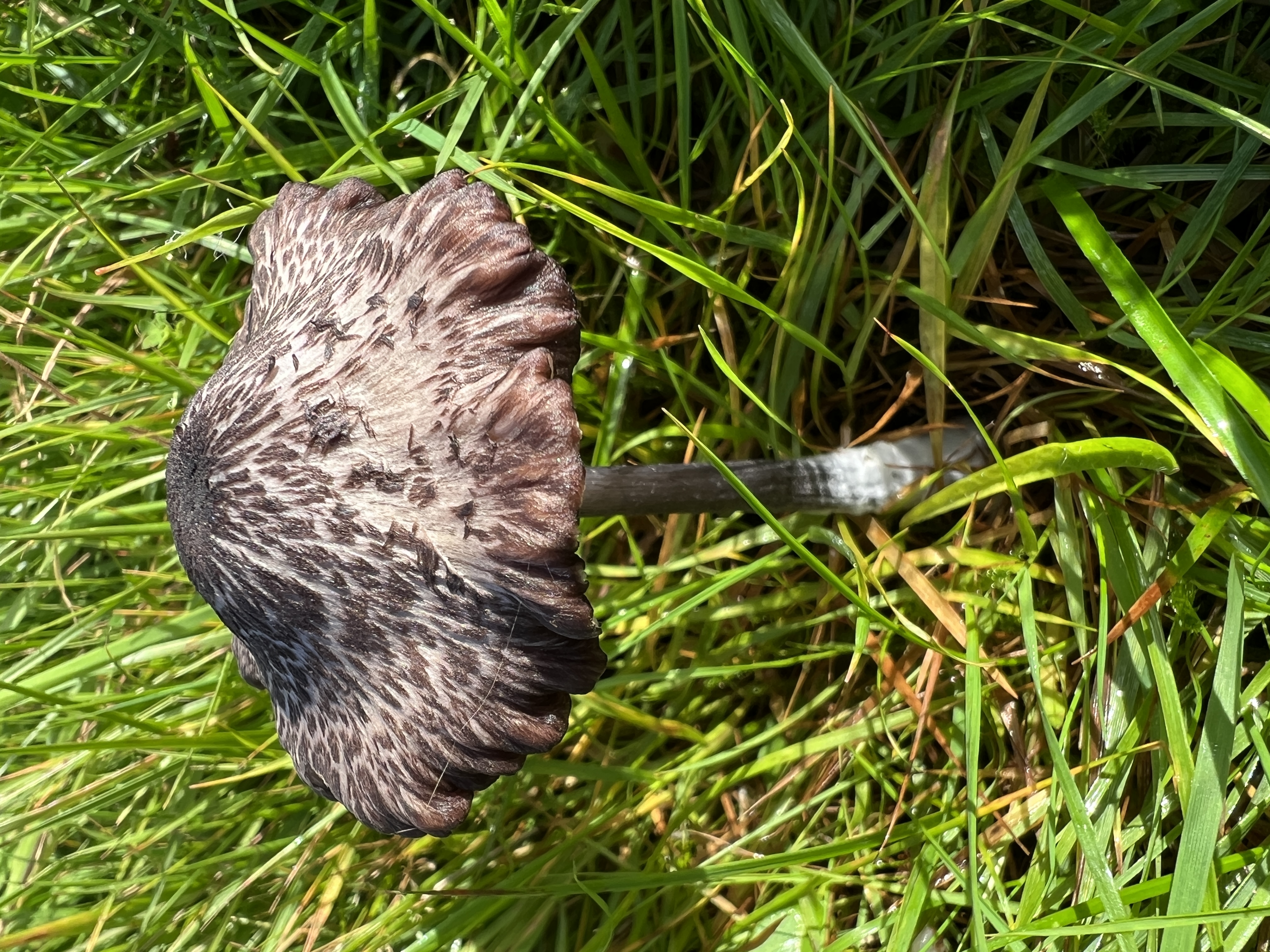
Entoloma viiduense, Exmoor, England, sequenced, Image © Simon Harding
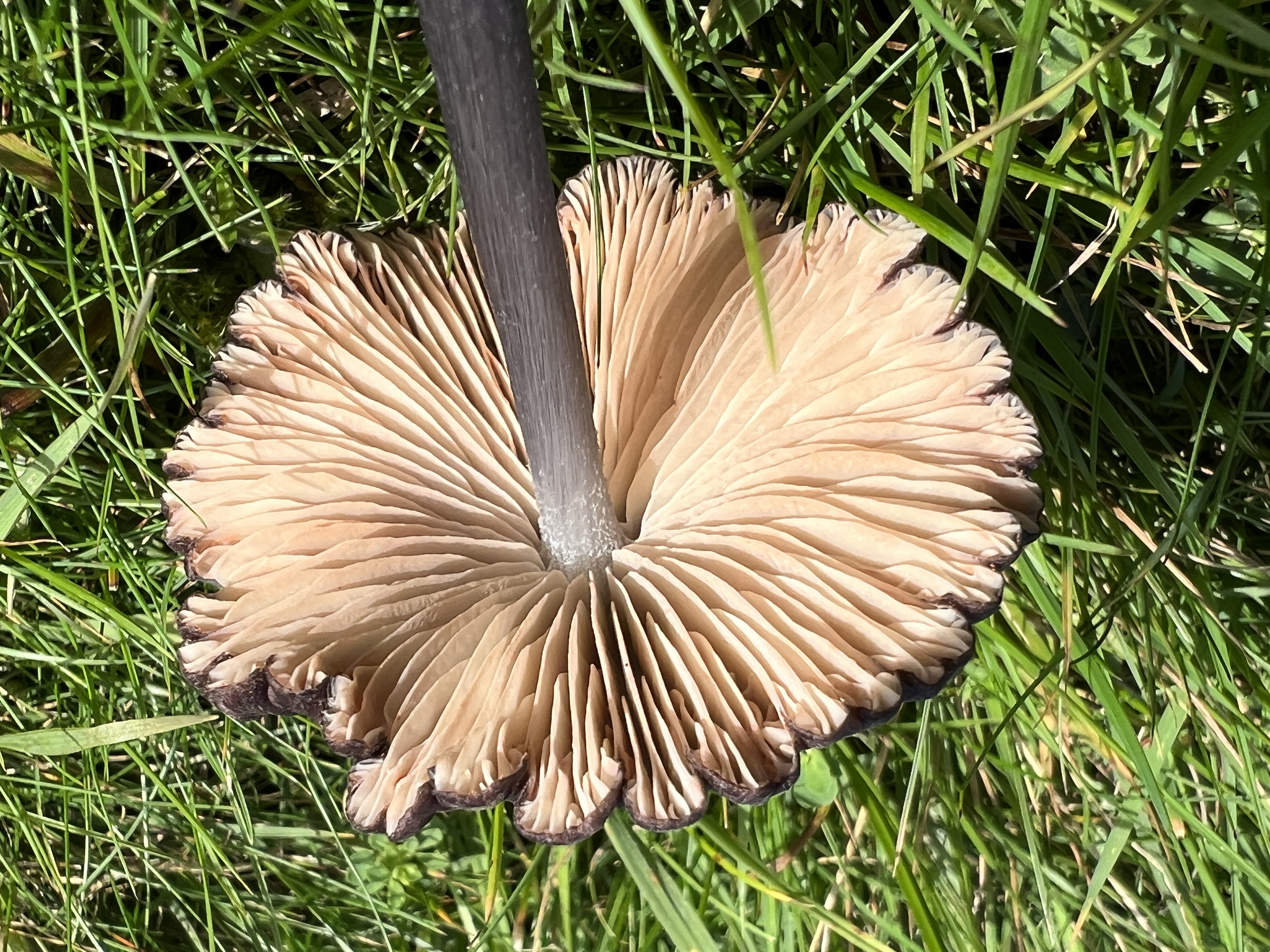
Entoloma viiduense, Exmoor, England, sequenced, Image © Simon Harding
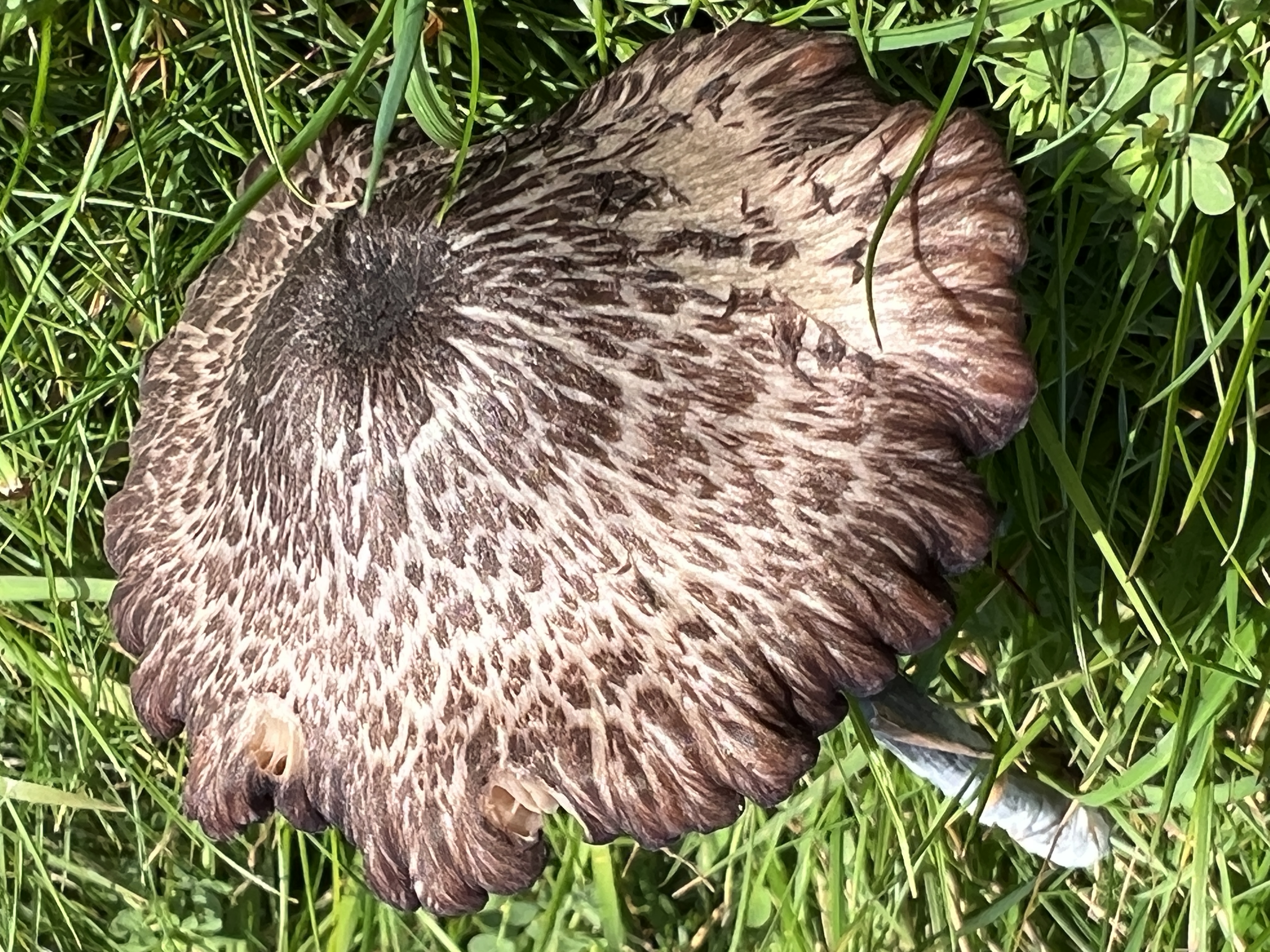
Entoloma viiduense, Exmoor, England, sequenced, Image © Simon Harding
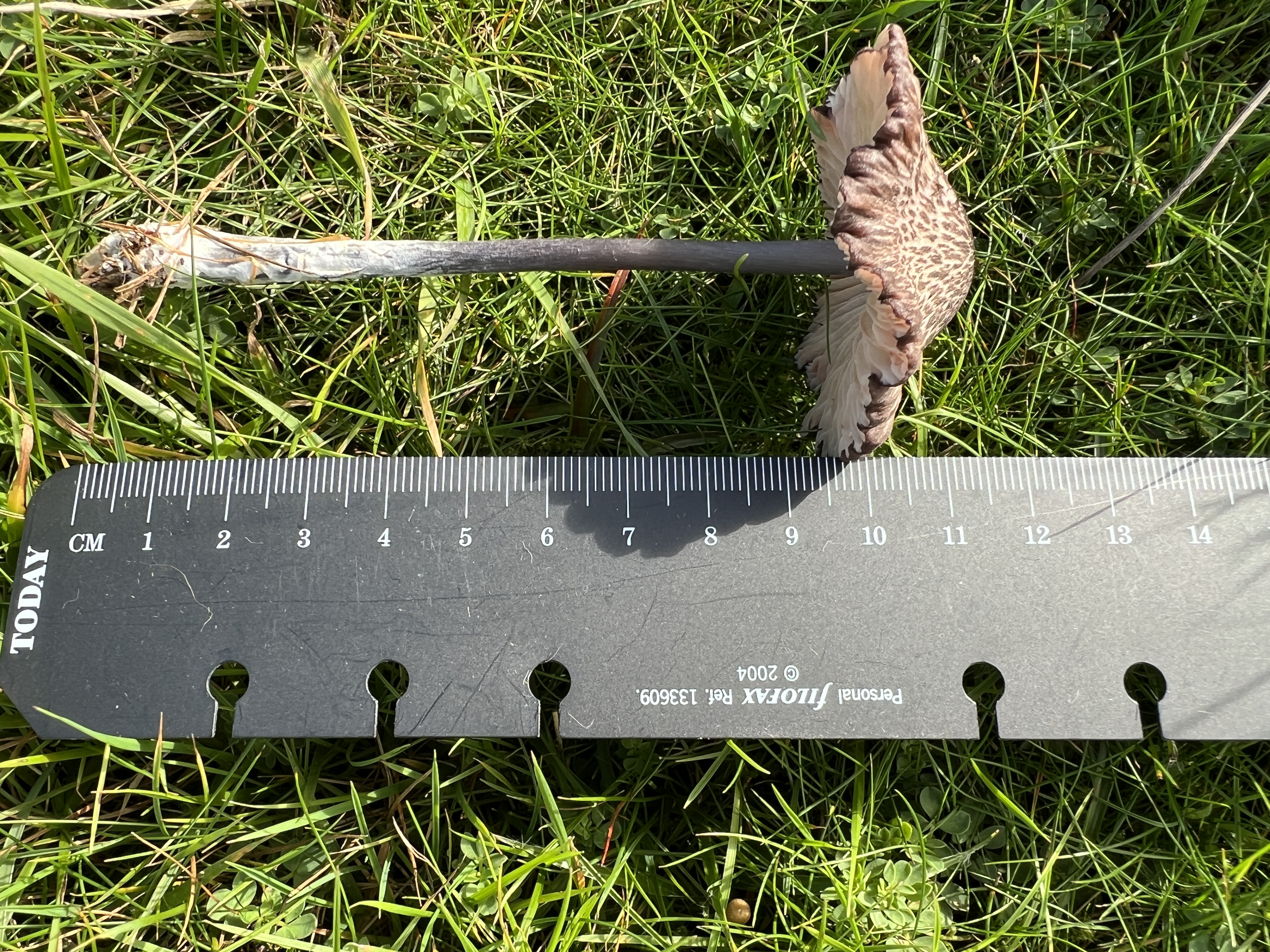
Entoloma viiduense, Exmoor, England. Sequenced © Simon Harding.
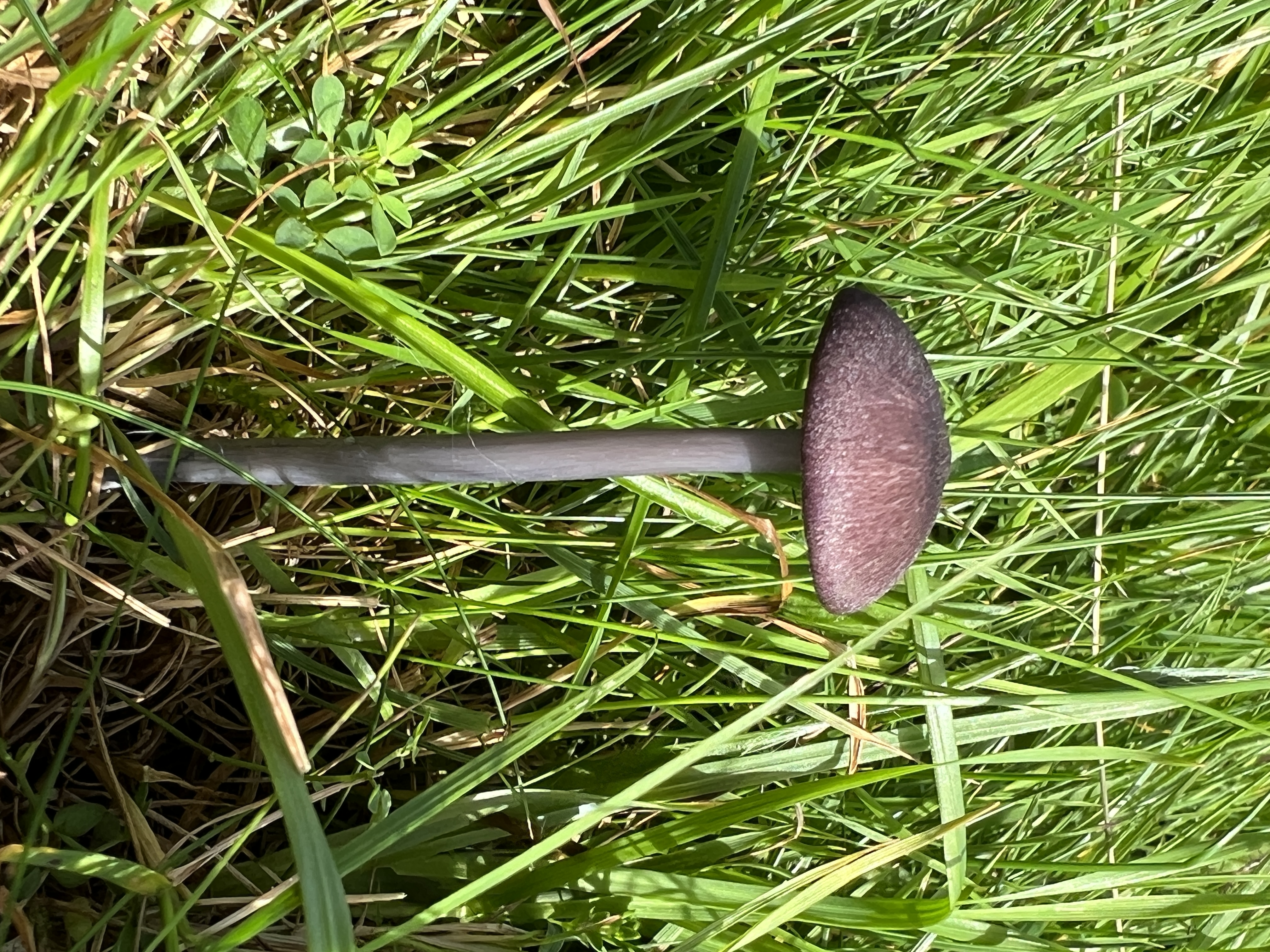
Entoloma viiduense, Exmoor, England. © Simon Harding
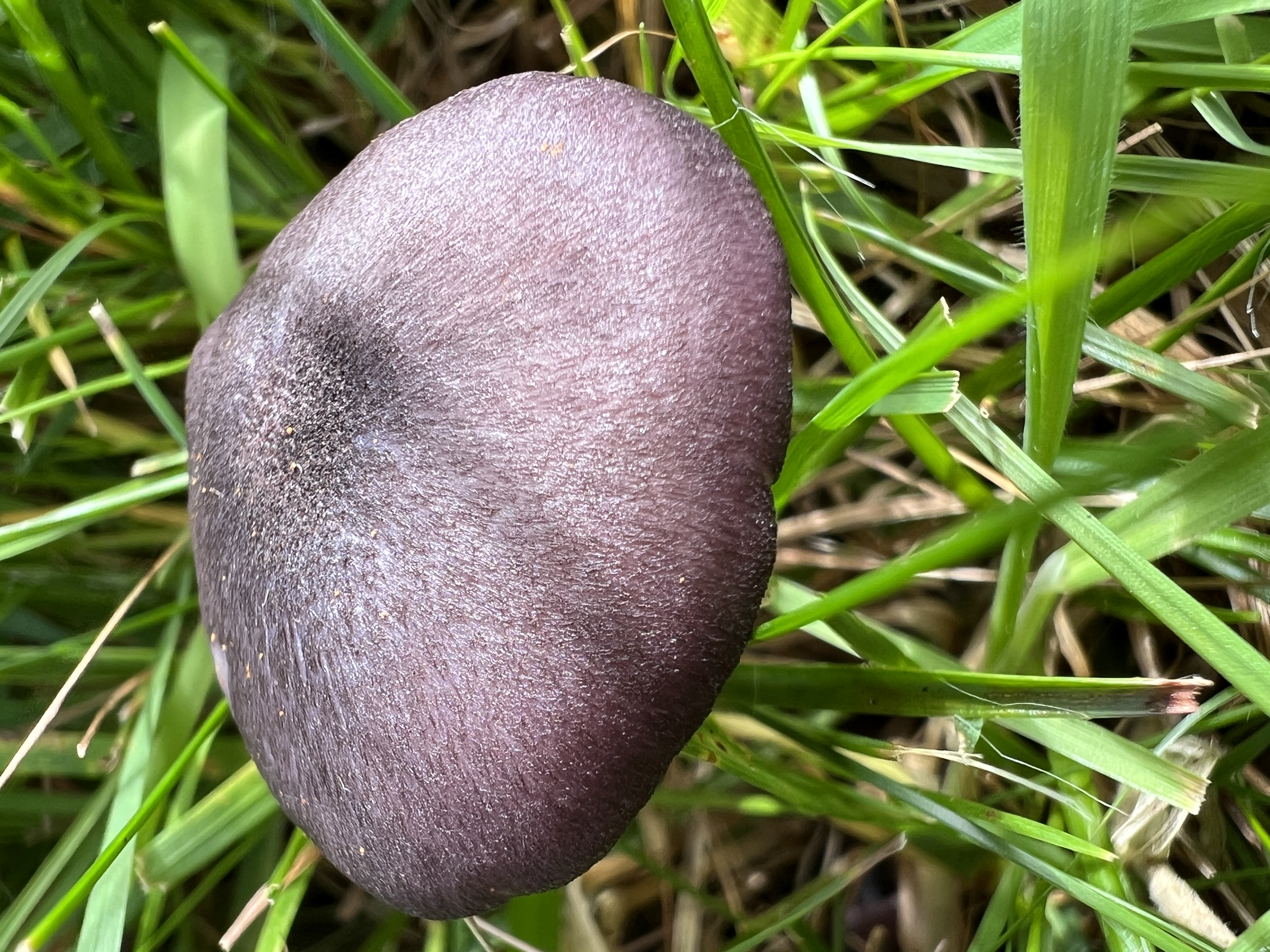
Entoloma viiduense, Exmoor, England. © Simon Harding
Country occurrence
Regional Population and Trends
| Country | Trend | Redlisted |
|---|