- Proposed
- Under Assessment
- Preliminary Assessed
- Assessed
- VUPublished
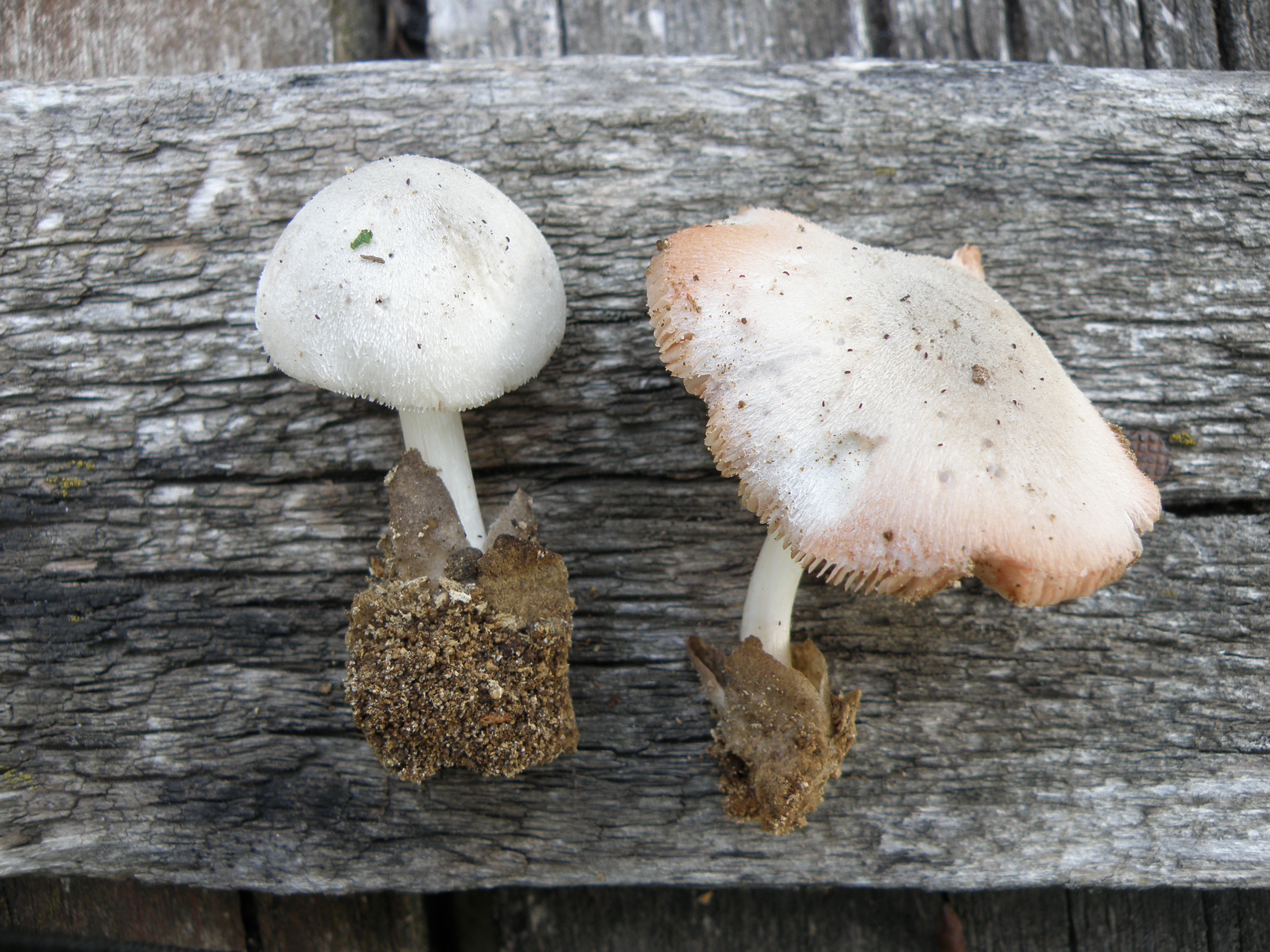
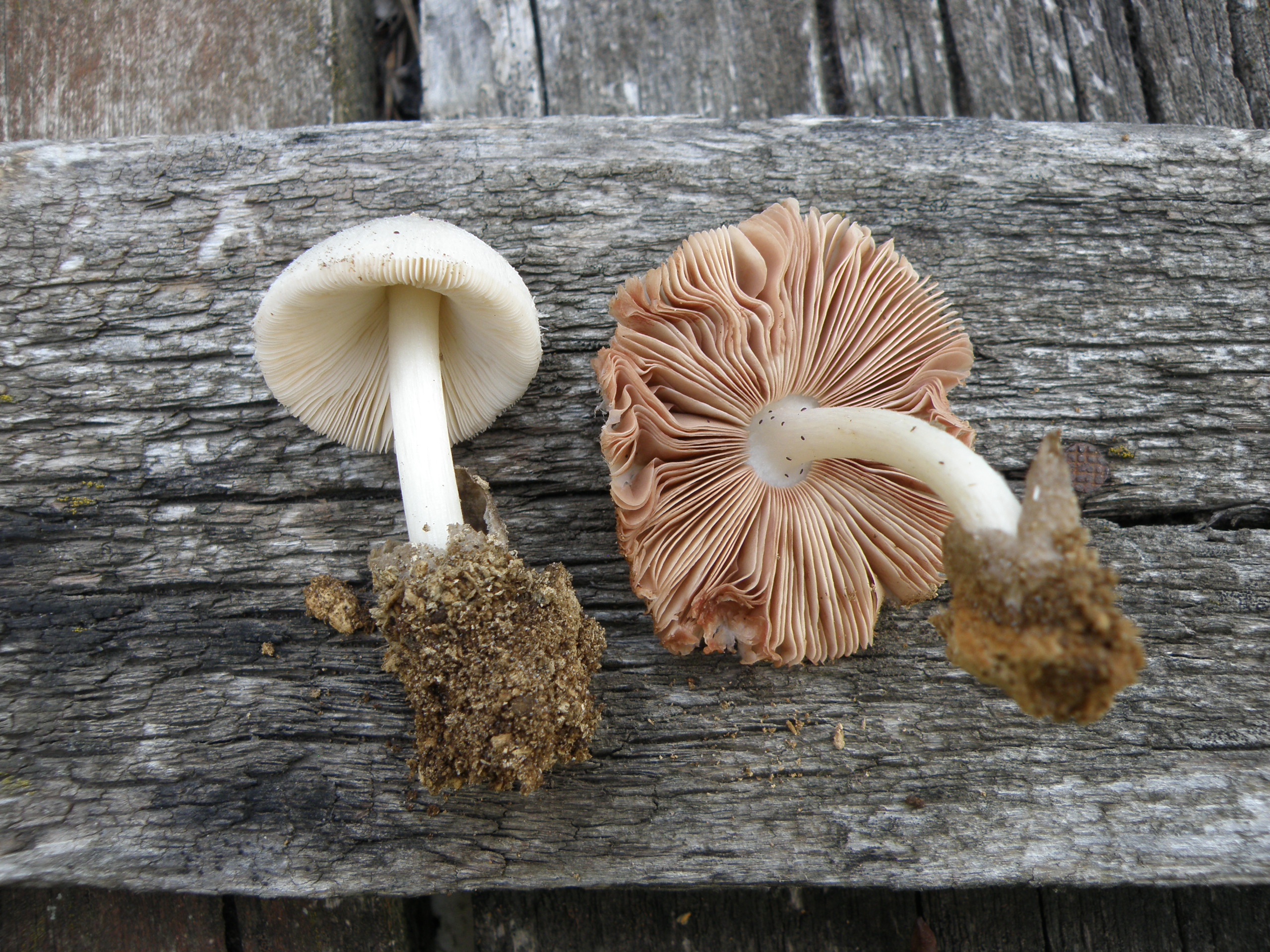
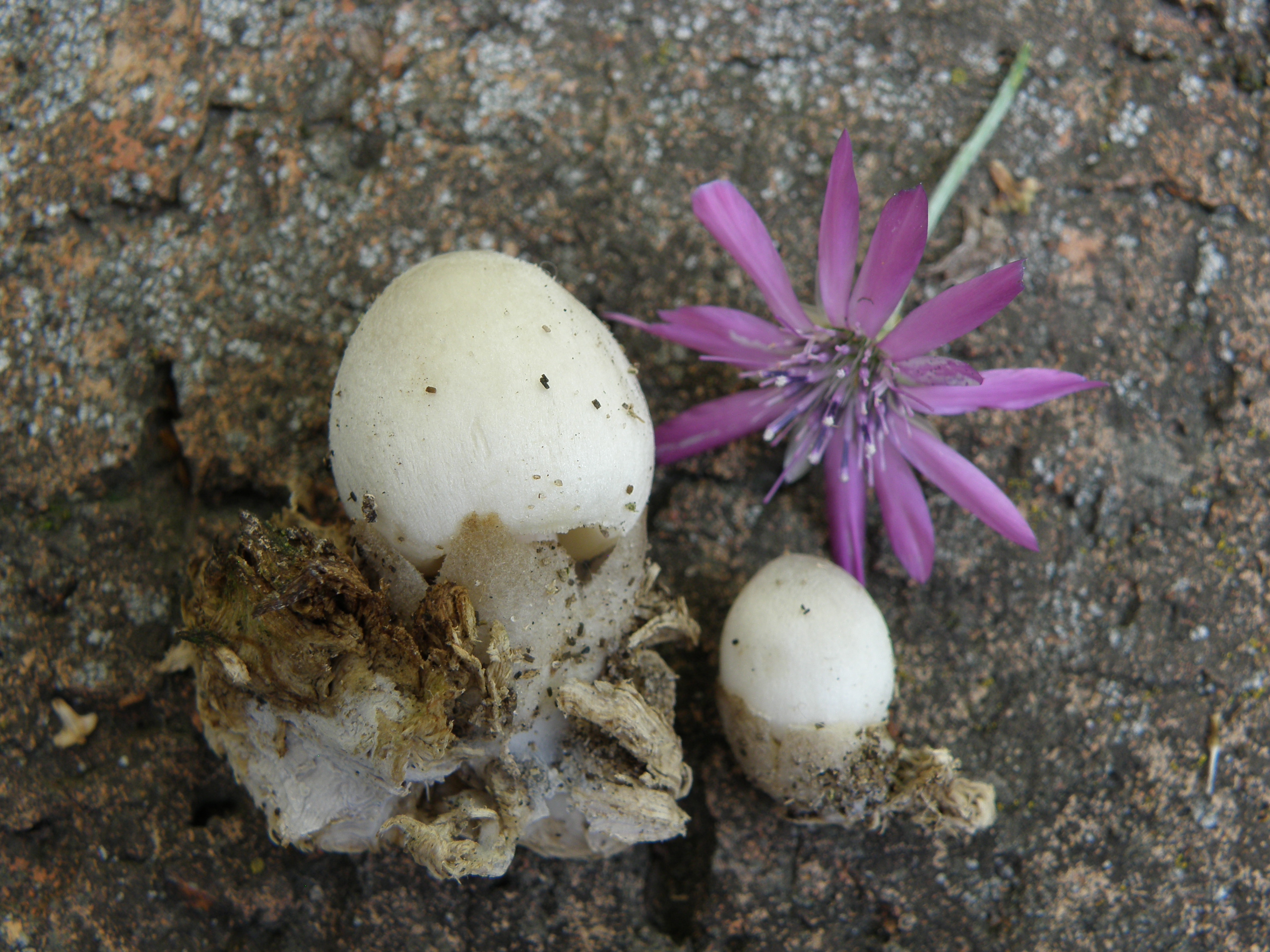
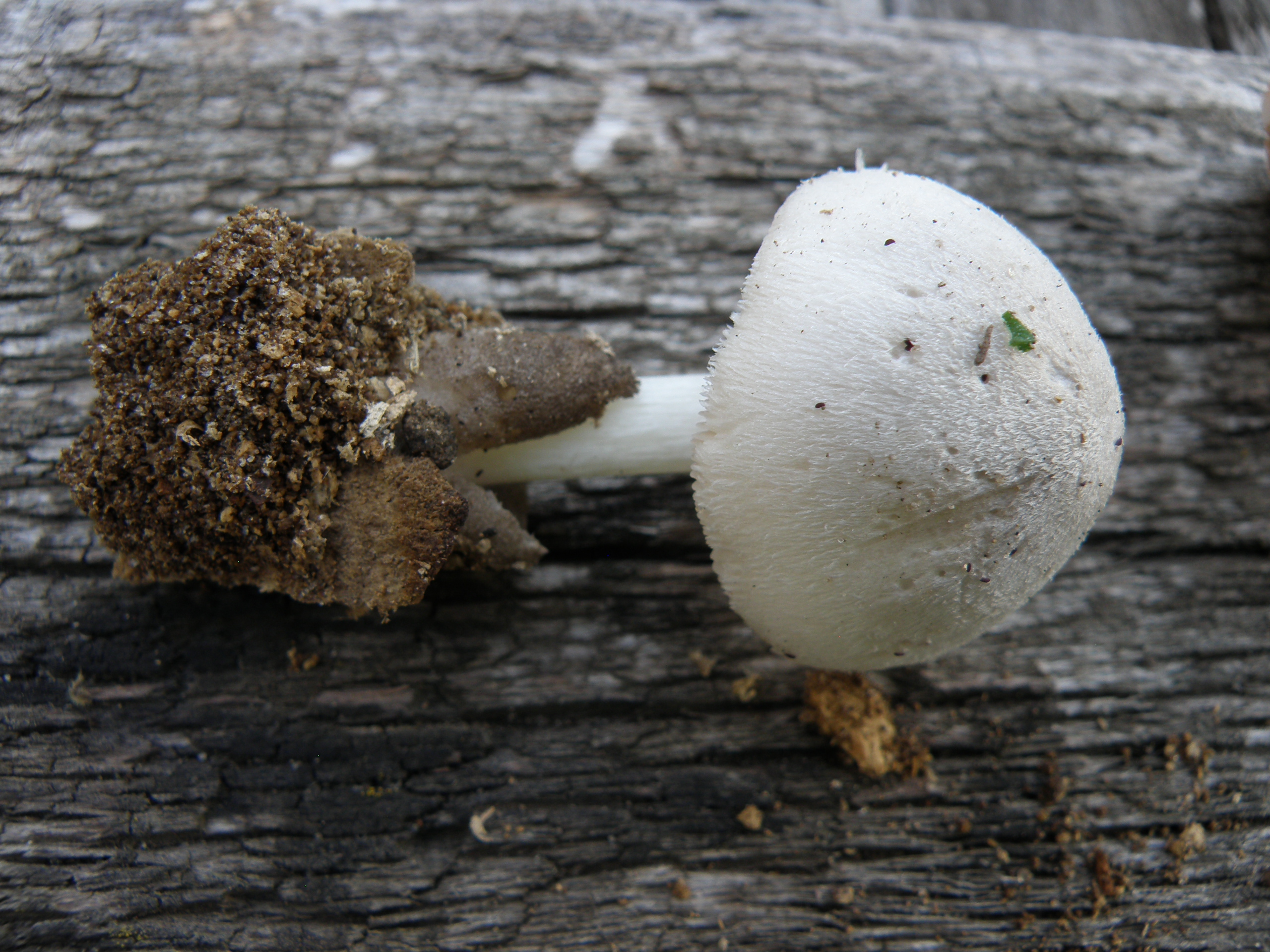
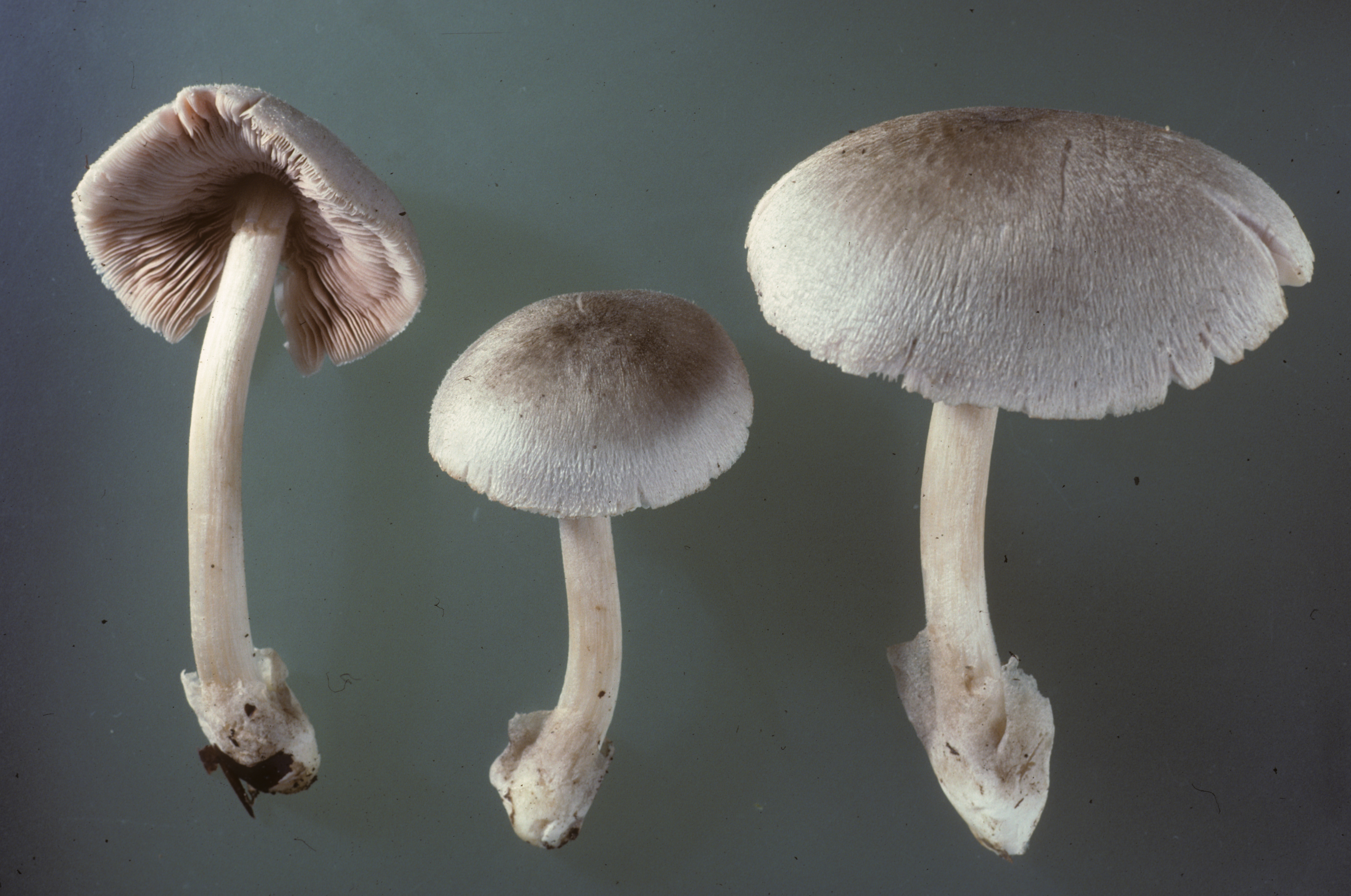
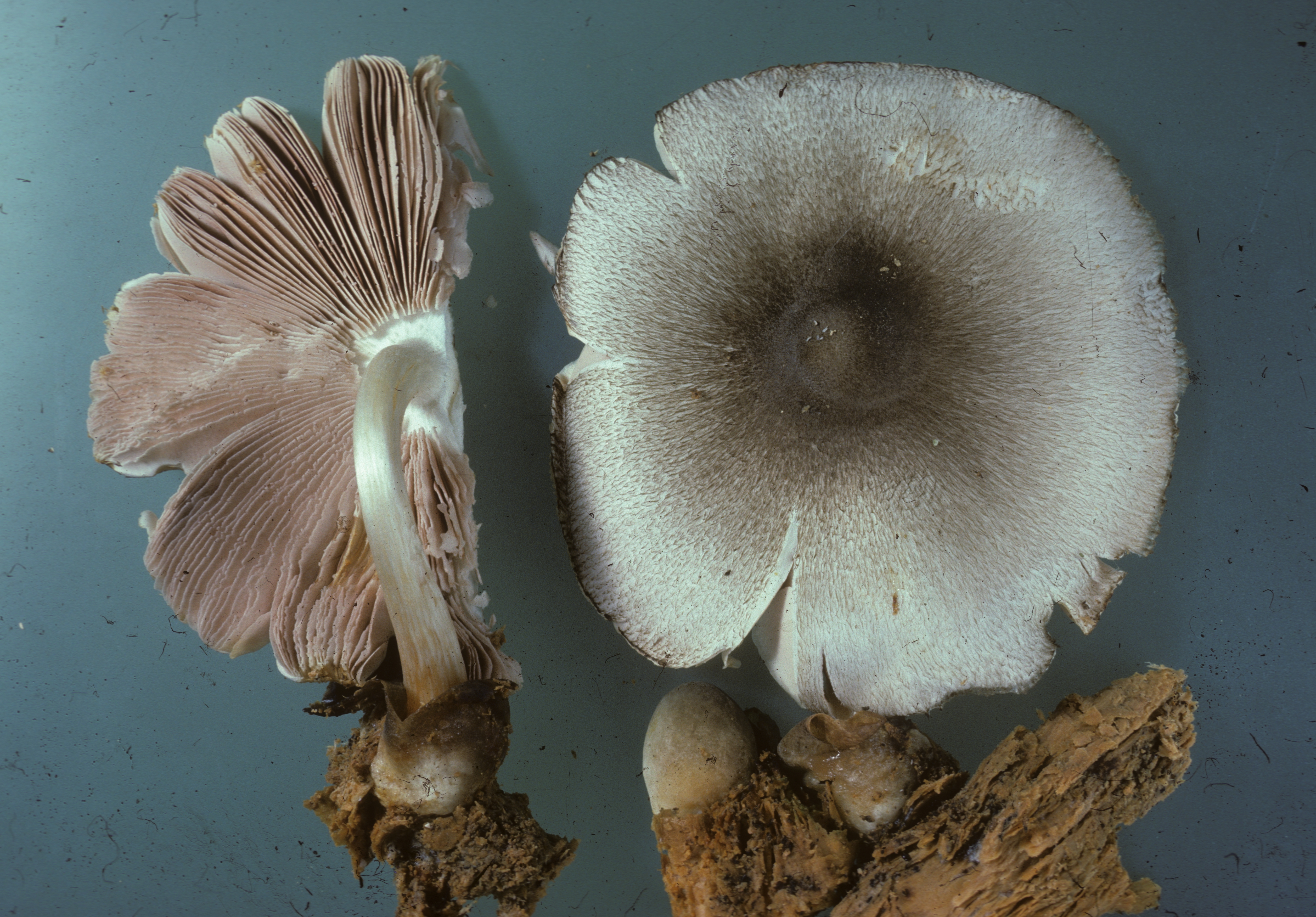
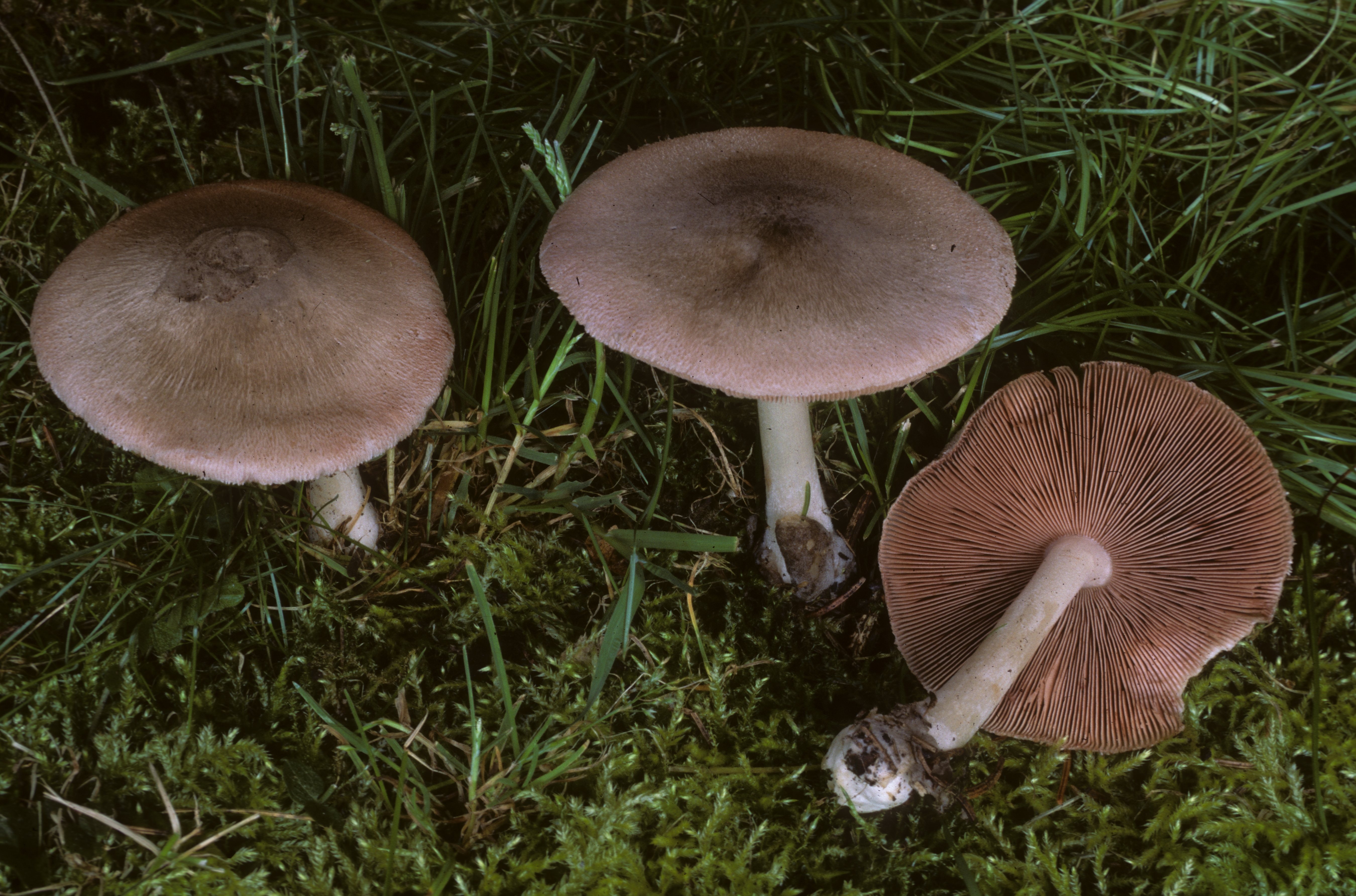
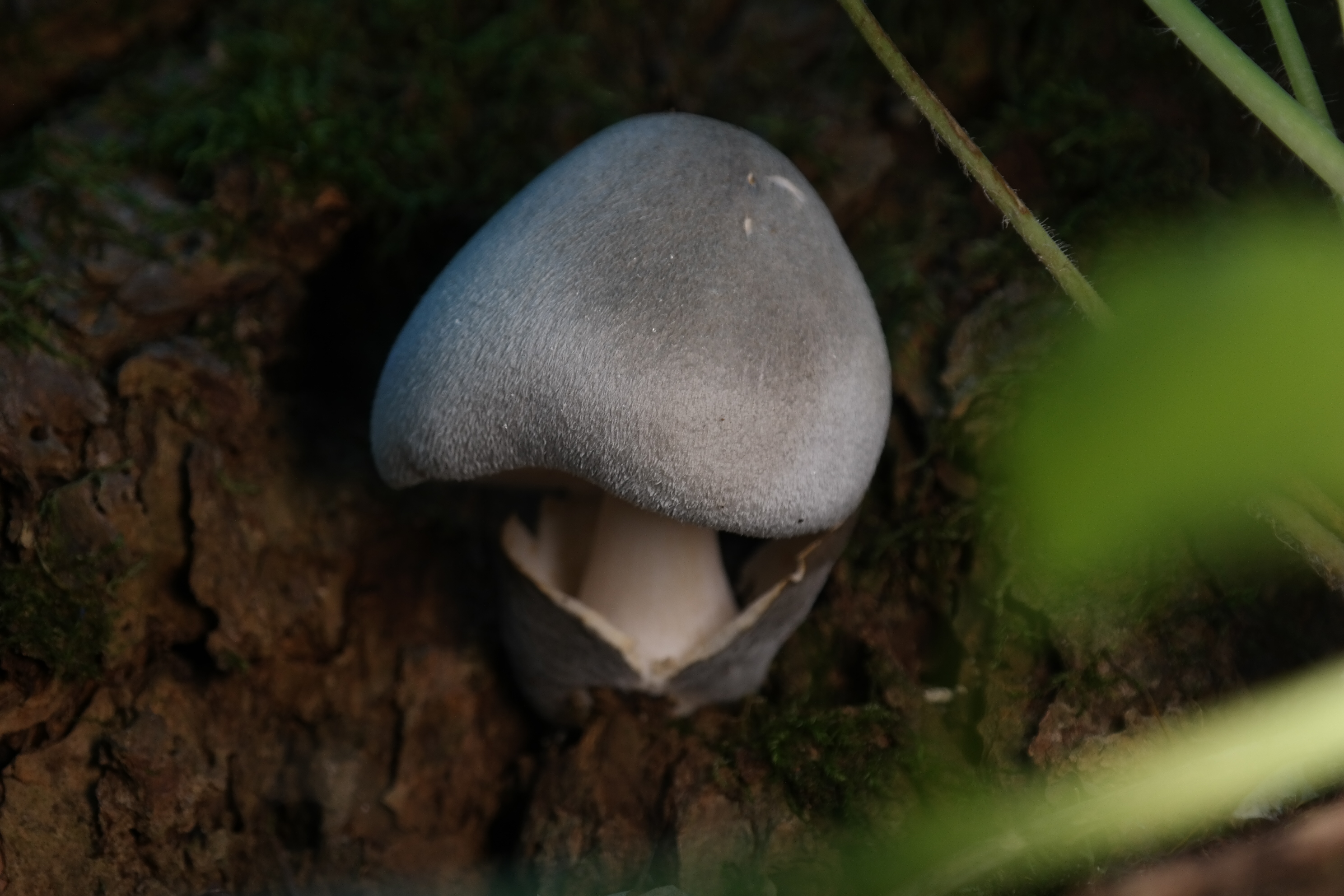
Volvariella caesiotincta P.D. Orton
Search for another species...
- Scientific name
- Volvariella caesiotincta
- Author
- P.D. Orton
- Common names
 Zilganā makstaine
 Blaugrauer Scheidling
 Acélszürke bocskorosgomba
- IUCN Specialist Group
 Mushroom, Bracket and Puffball
- Kingdom
- Fungi
- Phylum
- Basidiomycota
- Class
- Agaricomycetes
- Order
- Agaricales
- Family
- Pluteaceae
- Assessment status
- Published
- Assessment date
- 2021-04-26
- IUCN Red List Category
- VU
- IUCN Red List Criteria
- C2a(i)
- Assessors
- Irmgard Krisai-Greilhuber
- Reviewers
- Anders Dahlberg (Swedish Species Information Centre, Uppsala / IUCN SSC Cup-fungus, Truffle and Ally Specialist Group)
Assessment Notes
The content on this page is fetched from The IUCN Red List of Threatened Species: https://www.iucnredlist.org/species/247833062/247850913
Justification
Volvariella caesiotincta is a rare Palearctic species. Usually, there are only a few records of the species from each country it has been reported from. The total number of localities is expected not to exceed 1,000. With a conservative estimate of two genets per locality, on average corresponding to two mature individuals, the total population size is estimated not to exceed 4,000 mature individuals, with no subpopulation containing more than 500 mature individuals. Thus the species qualifies as Vulnerable under criterion C2a(i).Taxonomic notes
Ludwig (2001) synonymises Volvariella murinella with V. caesiotincta. He considered the variations in spore width in both species to be well within the range of variability. Kosonen (2008; cited in Marqua and Fischer 2021) separates the two species according to their substrate use (on wood or not on wood). Other separating characteristics are spore width, shape of the cheilocystidia and cap colour. The long-tailed cheilocystidia of V. caesiotincta stand out as a definite argument for separation. We here consider it as a separate species. This is also confirmed by ITS sequence data (I. Krisai-Greilhuber, unpubl.).Geographic range
The species is present in North Africa (Morocco) and Eurasia. In Europe, there are records from southern (Spain, Italy), western (France, Netherlands, England), central (Liechtenstein, Austria, Hungary, Germany, Czech Republic, Slovenia) and southern northern Europe (Netherlands, Denmark, Latvia, Estonia, Poland, southern Norway and Sweden). In Russia it is known into the Asian part of the country. It is rare everywhere and has only been found in a few places in the respective countries. We do not include in this assessment unconfirmed and single records from Australia, China, Japan, and North America.Population and Trends
Volvariella caesiotincta is a rare species throughout its entire range. Usually, there are only a few records from each country. In GBIF.org (2021) there are fewer than 300 occurrences, and the total number of localities is expected not to exceed 1,000. We conservatively estimate the number of different genets to be two per locality, on average corresponding to two mature individuals (Dahlberg and Mueller 2011). Hence, then total population size is estimated not to exceed 4,000 mature individuals, with no subpopulation containing more than 500 mature individuals. The population is thought to be in decline as a result of habitat conversion and degradation.
Population Trend: Decreasing