- Proposed
- 2Under Assessment
- 3Preliminary Assessed
- 4Assessed
- 5Published
Entoloma bloxamii s. str. (Berk. & Broome) Sacc.
- Scientific name
- Entoloma bloxamii s. str.
- Author
- (Berk. & Broome) Sacc.
- Common names
- IUCN Specialist Group
 Mushroom, Bracket and Puffball
- Kingdom
- Fungi
- Phylum
- Basidiomycota
- Class
- Agaricomycetes
- Order
- Agaricales
- Family
- Entolomataceae
- Assessment status
- Proposed
- Proposed by
- Simon Harding
- Comments etc.
- Matt Wainhouse, Simon Harding
Assessment Notes
Taxonomic notes
Entoloma bloxamii was originally described by Berkeley & Broome (1854) from British material. Its modern strict‑sense circumscription is anchored to the epitype designated by Morgado et al. (2013), whose multilocus phylogeny provided the first type‑based molecular definition of the species. Morgado et al. demonstrated that E. bloxamii s. str. forms a distinct, well‑supported lineage separate from E. madidum and other blue‑capped taxa historically included within the broad bloxamii aggregate.
The strict‑sense concept was subsequently applied in the British study of Ainsworth, Douglas & Suz (2018) (Field Mycology, “Big Blue Pinkgills formerly known as Entoloma bloxamii in Britain…”). Their work confirmed the presence of E. bloxamii s. str. in the UK by demonstrating that British sequences co‑cluster with the Morgado epitype, and distinguished it from other blue‑capped species occurring in Britain. Although the 2018 paper focused primarily on newly recognised and segregate taxa, E. bloxamii s. str. was included in their phylogenetic framework and treated according to the established Morgado concept.
The 2026 European revision (Schwab, Noordeloos, Morgado et al.) did not reassess E. bloxamii s. str. in detail, as its circumscription was already well established by Morgado et al. Instead, the 2026 work confirmed its position within the broader bloxamii complex while focusing on the clarification of other species, including the redescription of E. inopiliforme and the formal description of E. weiriorum. The revision provides a continent‑wide phylogenetic framework in which E. bloxamii s. str. remains a distinct, epitype‑anchored lineage.
The present proposal follows E. bloxamii s. str. exactly as defined by Morgado et al. (2013) and retained in the 2026 European framework: a distinct species characterised by its own morphological, ecological and geographical profile, and clearly separated from the other members of the former bloxamii sensu lato complex.
Why suggested for a Global Red List Assessment?
Modern sequencing has shown that the former broad concept of Entoloma bloxamii comprises at least seven distinct species. Five of these—E. bloxamii s. str., E. madidum, E. luteobasis, E. atromadidum and E. inopiliforme—form the core group that accounts for the great majority of historical records previously treated under the broad name. Type‑anchored multilocus phylogenies (Morgado et al. 2013), supported by subsequent British and European studies, demonstrate clear genetic separation among these lineages, each with its own morphological, ecological and geographical profile.
Treating the former aggregate as a single species obscures genuine extinction risk, as the strict‑sense taxa differ markedly in rarity, distribution and habitat specificity. Proposing the five core species for individual assessment enables accurate evaluation of their conservation status and ensures that declines affecting ancient, nutrient‑poor grasslands are not masked by the former broad concept. Adoption of the modern species‑level taxonomy is therefore essential for reliable Red List assessment.
Geographic range
Entoloma bloxamii s. str. is confirmed from a scattered set of localities across western and central Europe, based solely on sequenced material that clusters with the Morgado et al. (2013) epitype. Verified strict‑sense records are known from the United Kingdom, France, Spain, Portugal, the Netherlands, Denmark and Germany, with additional confirmed sequences from Italy, Austria and the Ural region of Russia. The species is also represented in Scandinavia, with confirmed material from both Sweden and Norway.
Across this range, E. bloxamii s. str. is recorded infrequently and typically as isolated individuals or small groups within long‑established, unimproved grasslands. Modern sequencing has clarified that many historical records of “E. bloxamii” from Europe refer to other members of the former bloxamii sensu lato complex; only the countries listed above currently have confirmed strict‑sense occurrences. The overall distribution is therefore best described as scattered and discontinuous, reflecting the limited availability of suitable long‑continuity grassland habitats.
Population and Trends
Entoloma bloxamii s. str. is a naturally rare species, typically recorded as isolated basidiomes or small groups within long‑established, nutrient‑poor grasslands. There is no evidence of large or continuous populations anywhere within its range, and most confirmed sites support only occasional fruiting, consistent with the ecology of other CHEGD fungi restricted to ancient, low‑nutrient turf.
The population is inferred to be declining. The species is dependent on semi‑natural grasslands that have undergone extensive historical loss and continue to be reduced and degraded through agricultural intensification, nutrient enrichment, abandonment of traditional grazing and afforestation. Remaining habitat now persists as small, isolated fragments, and this fragmentation further limits dispersal and increases vulnerability to local extinctions.
The species was previously assessed as Vulnerable under a broad E. bloxamii sensu lato concept. Modern sequencing has shown that this former aggregate comprises several distinct species, and only a minority of historical “bloxamii” records belong to E. bloxamii s. str. As a result, the true population size and distribution of the strict‑sense species are substantially smaller than previously understood.
Although quantitative population estimates are not available, the ongoing contraction, degradation and fragmentation of suitable habitat across Europe indicate a continuing decline in the number of mature individuals and in the quality and extent of habitat. These trends meet the conditions for EN B2ab(iii): the species has a restricted Area of Occupancy, occurs in a limited number of locations, and is experiencing continuing decline in habitat extent and quality.
Population Trend: Decreasing
Habitat and Ecology
Entoloma bloxamii s. str. grows in mycologically rich but nutrient-poor, often ancient semi-natural grasslands, most frequently on calcareous or base-rich soils, typically within short-sward, moss-rich turf on soils with long-term stability. It fruits as isolated basidiomes or small groups, with fruit bodies that are short-lived (weeks) and closely associated with stable, low-nutrient soil conditions. Viable spore production is essential for long-term persistence, sustaining genetic diversity and supporting resilience to environmental change. The species is not recorded from improved or recently created grasslands and is now restricted to the remaining fragments of these formerly widespread ancient grassland systems. It is occasionally found at the same sites as other rare grassland Entoloma species, including E. luteobasis, E. inopiliforme and E. atromadidum.
Threats
The species is dependent on long‑established, nutrient‑poor semi‑natural grasslands, a habitat that has undergone severe long‑term decline across Europe. Griffith et al. (2013) identify agricultural intensification as the principal historical driver of this loss, including ploughing, reseeding, fertiliser application and conversion to improved pasture. These processes fundamentally alter soil structure and nutrient status, eliminating the conditions required by CHEGD fungi such as Entoloma bloxamii s. str.
Nutrient enrichment remains a major ongoing pressure. Nutrient drift from surrounding farmland, atmospheric nitrogen deposition and slurry or fertiliser runoff all contribute to eutrophication, favouring competitive grasses and leading to the loss of the low‑nutrient, moss‑rich turf on which the species depends.
Abandonment of traditional low‑intensity grazing is another significant threat. Reduced grazing results in taller swards, litter accumulation and scrub encroachment, progressively degrading the short‑sward, open structure characteristic of ancient grasslands. These changes reduce habitat suitability even within sites that have not been agriculturally improved.
The remaining ancient grasslands now persist as small, isolated fragments, and fragmentation further reduces the viability of fungal populations by limiting dispersal and increasing vulnerability to localised impacts. Afforestation and tree‑planting schemes, including carbon‑driven woodland creation, increasingly target unimproved grasslands and result in permanent habitat loss.
Conservation Actions
Protection and appropriate management of remaining semi‑natural grasslands are the highest priorities for this species. Key actions include:
• Safeguarding long‑established, unimproved grasslands through site protection, agri‑environment schemes and avoidance of conversion to improved pasture or woodland.
• Maintaining low‑intensity grazing regimes that support short‑sward, open, moss‑rich turf and prevent scrub encroachment.
• Reducing nutrient inputs by minimising fertiliser drift, slurry runoff and other sources of eutrophication affecting adjacent grasslands.
• Preventing afforestation and tree‑planting on unimproved grasslands, including carbon‑driven woodland creation schemes that target open habitats.
• Avoiding damaging recreational pressures in sensitive sites, particularly trampling in small or heavily visited grassland fragments.
• Ensuring that renewable energy developments (e.g., solar arrays, wind turbines and associated infrastructure) avoid ancient grassland habitats.The species would benefit from continued molecular verification of records, improved mapping of long‑continuity grasslands, and the incorporation of fungal indicators into grassland conservation planning.
Research needed
• Continued molecular sequencing of verified collections to further strengthen the strict‑sense distribution.
• Refinement of ecological characterisation, building on existing evidence to clarify soil conditions, grassland continuity indicators and fine‑scale habitat associations.
• Enhanced mapping of long‑established, nutrient‑poor grasslands, particularly in under‑surveyed regions, to support conservation planning and identify additional suitable sites.
• Long‑term observation of known sites to document persistence and fruiting patterns within ancient grassland fragments.
• Evaluation of management practices, including grazing regimes and nutrient management, to support evidence‑based conservation of high‑quality grassland habitat.
• Integration of fungal indicators into grassland conservation frameworks, recognising that CHEGD fungi are one component of a wider assemblage of fungi characteristic of long‑established, nutrient‑poor grasslands.
Use and Trade
This species is not known to be traded or used.
Bibliography
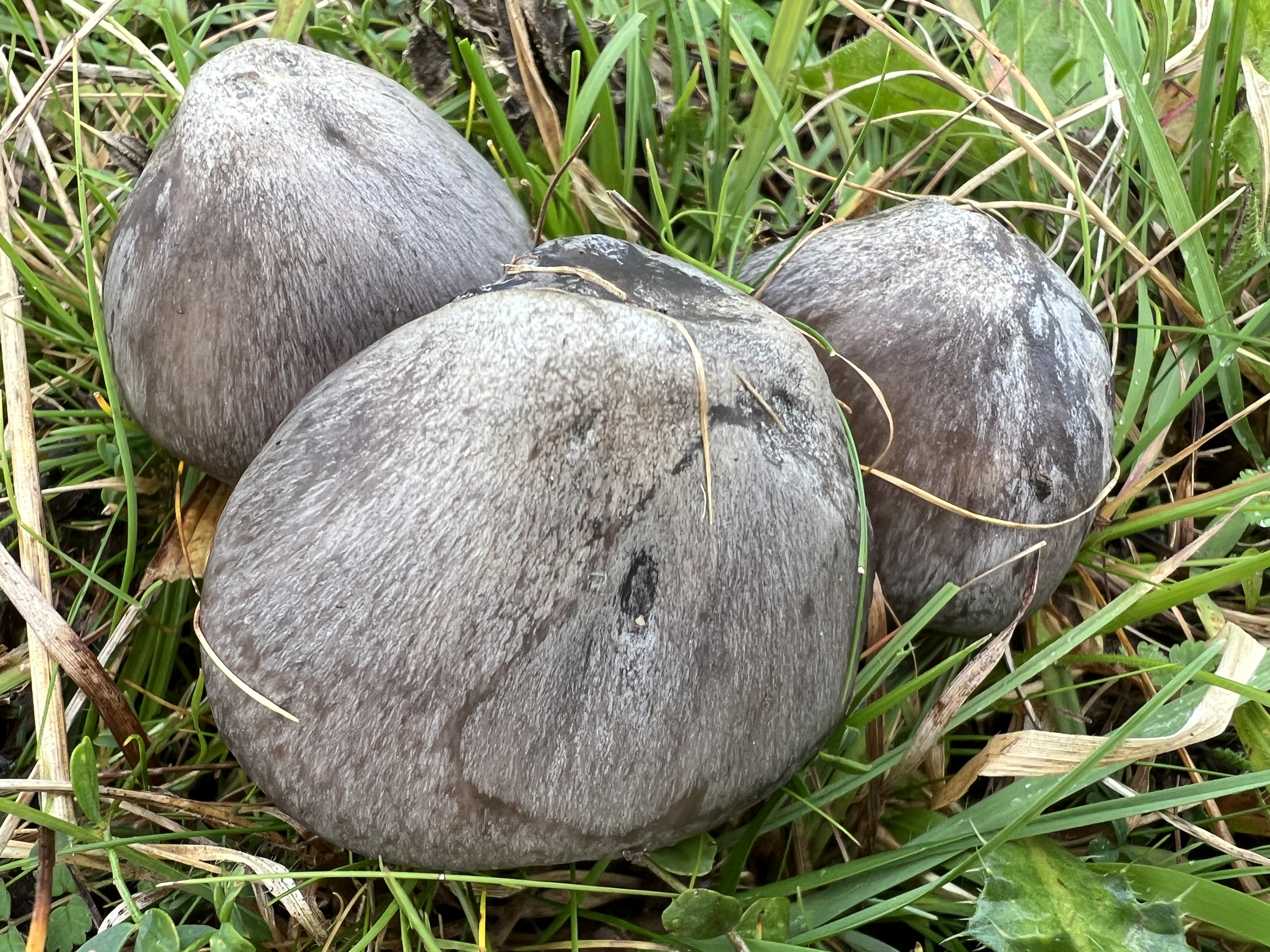
Entoloma bloxamii s. str. (sequenced), Cotswolds, England. © Simon Harding.
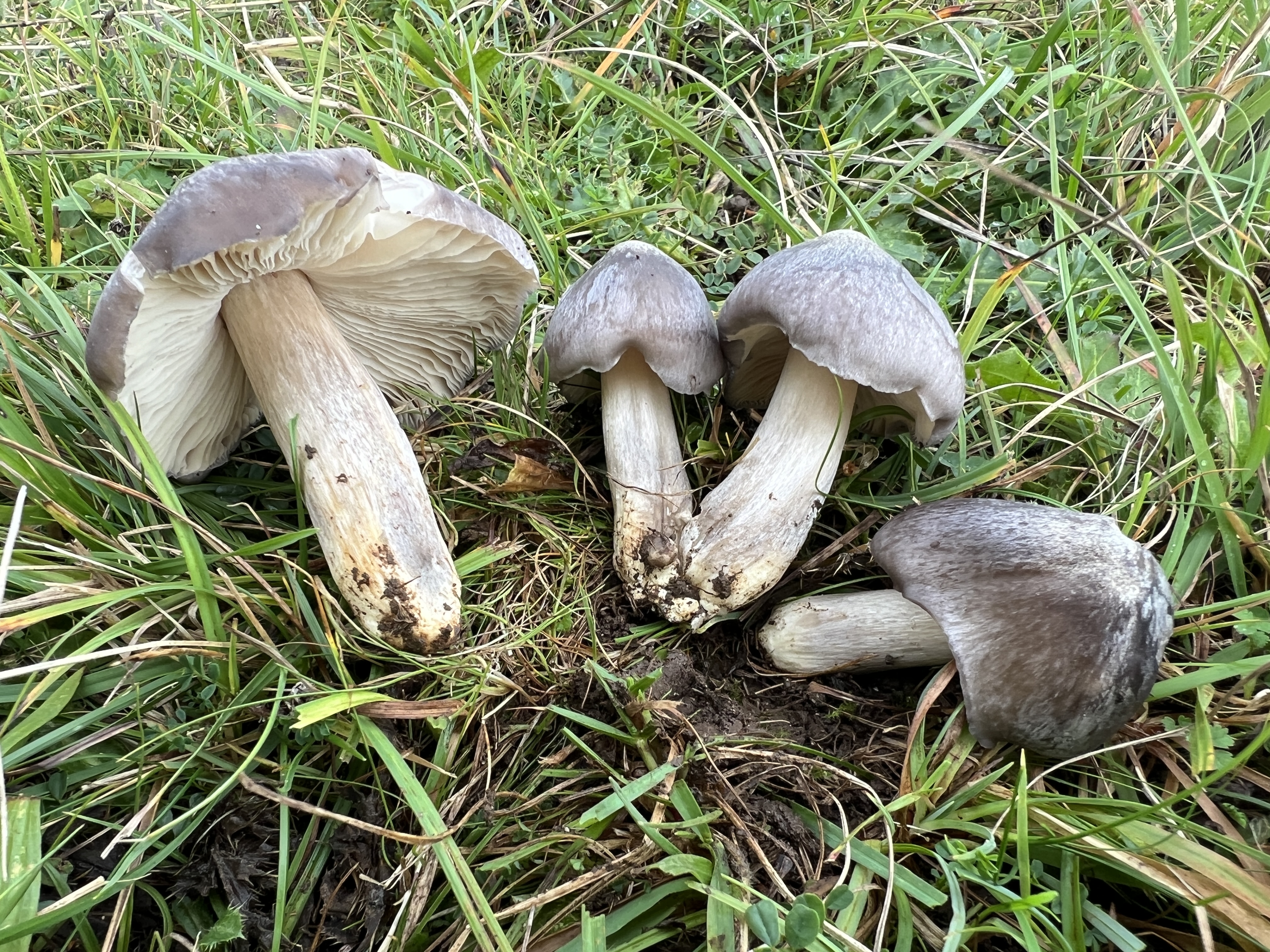
Entoloma bloxamii s. str. (sequenced), Cotswolds, England. © Simon Harding.
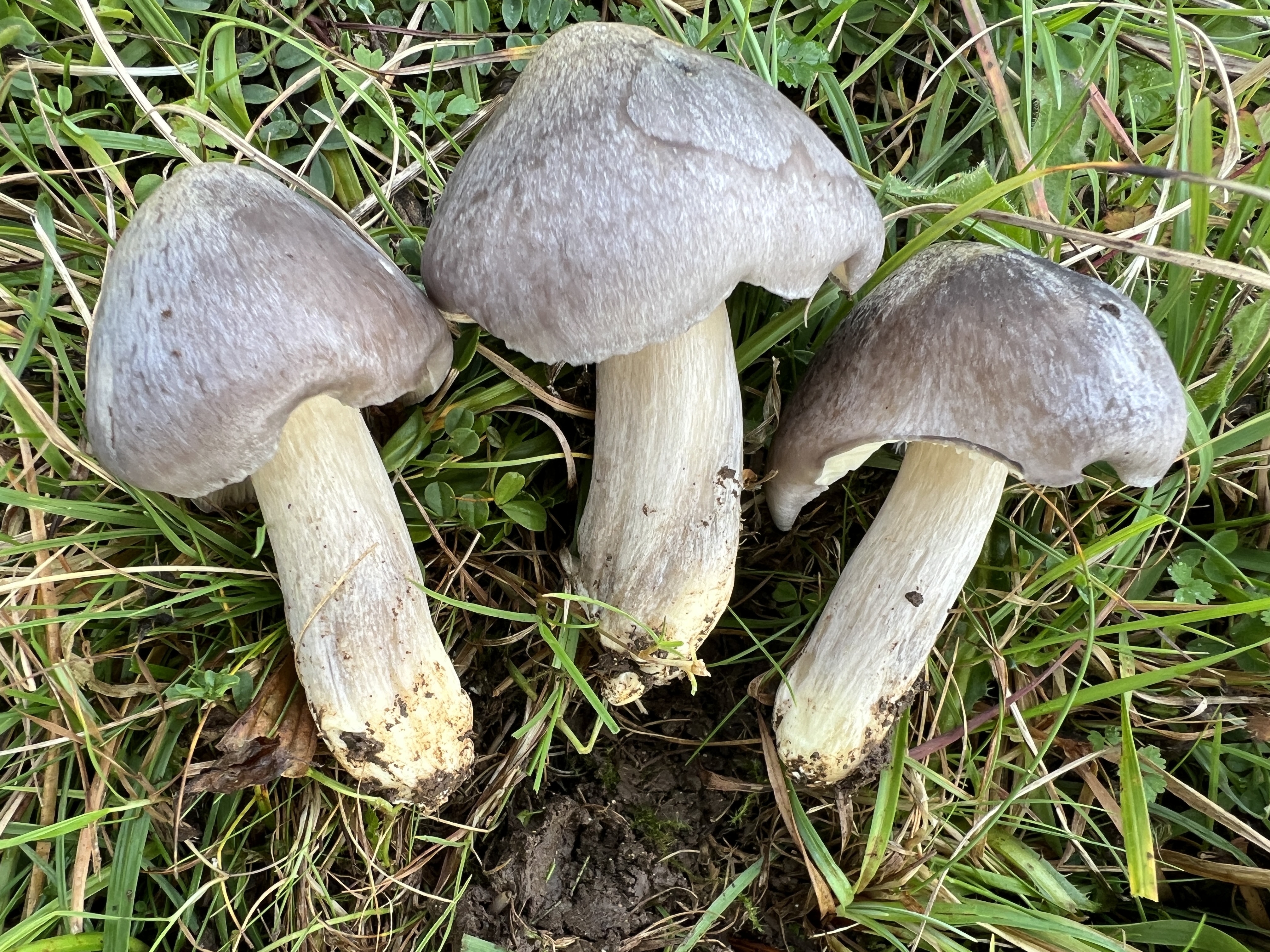
Entoloma bloxamii s. str. (sequenced), Cotswolds, England. © Simon Harding.
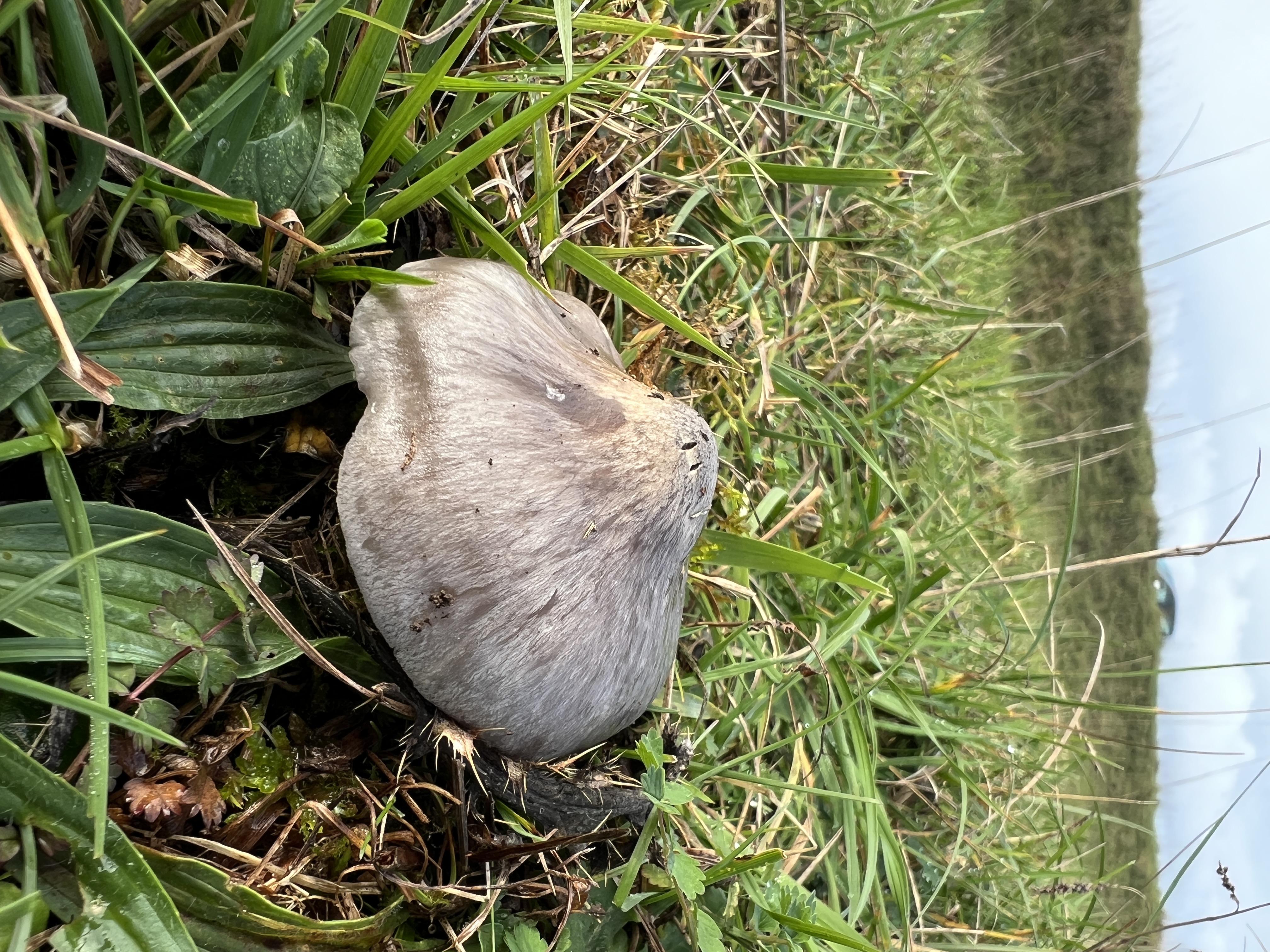
Entoloma bloxamii s. str. (sequenced), Cotswolds, England. © Simon Harding.
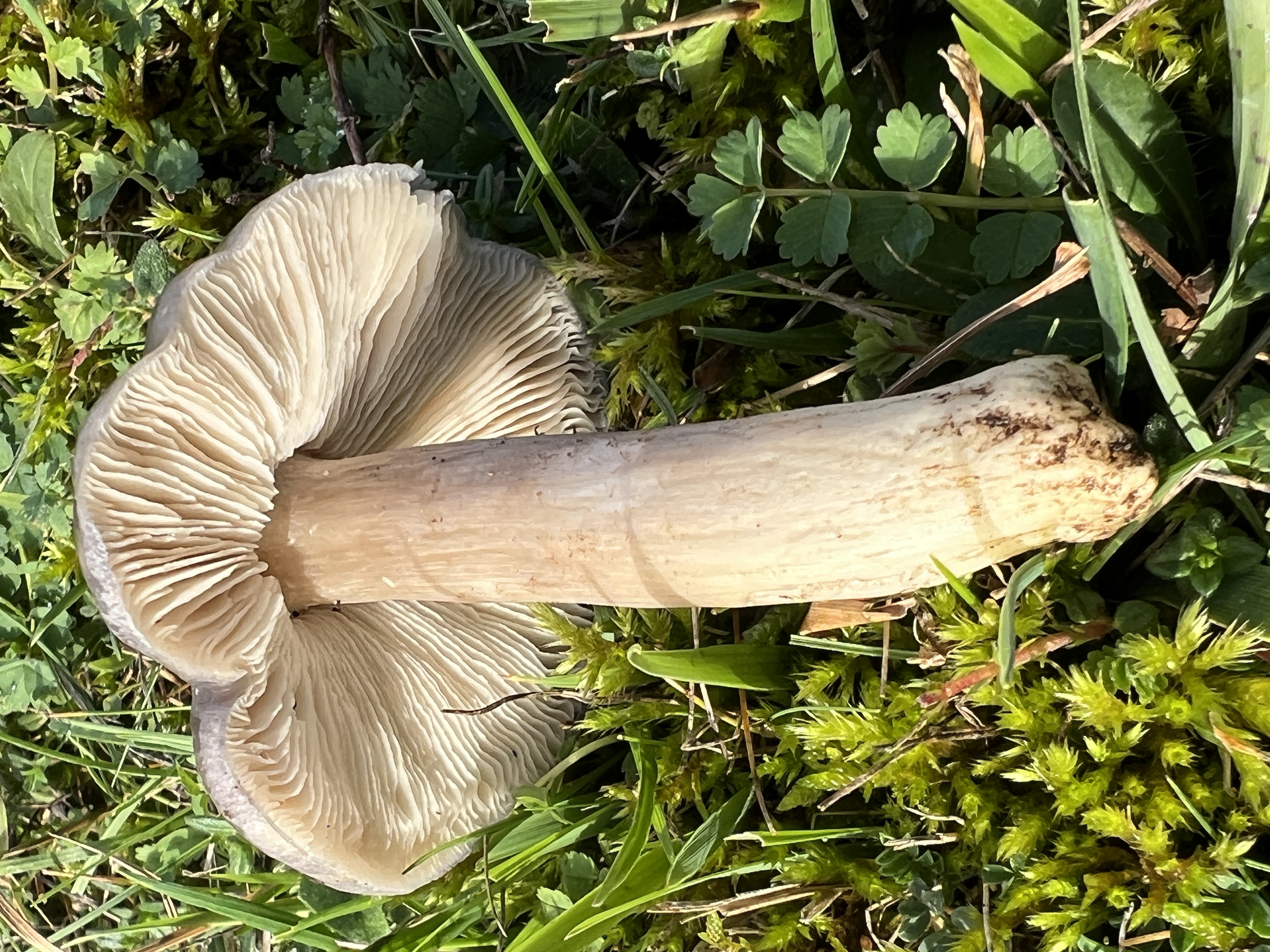
Entoloma bloxamii s. str. (sequenced), Cotswolds, England. © Simon Harding.
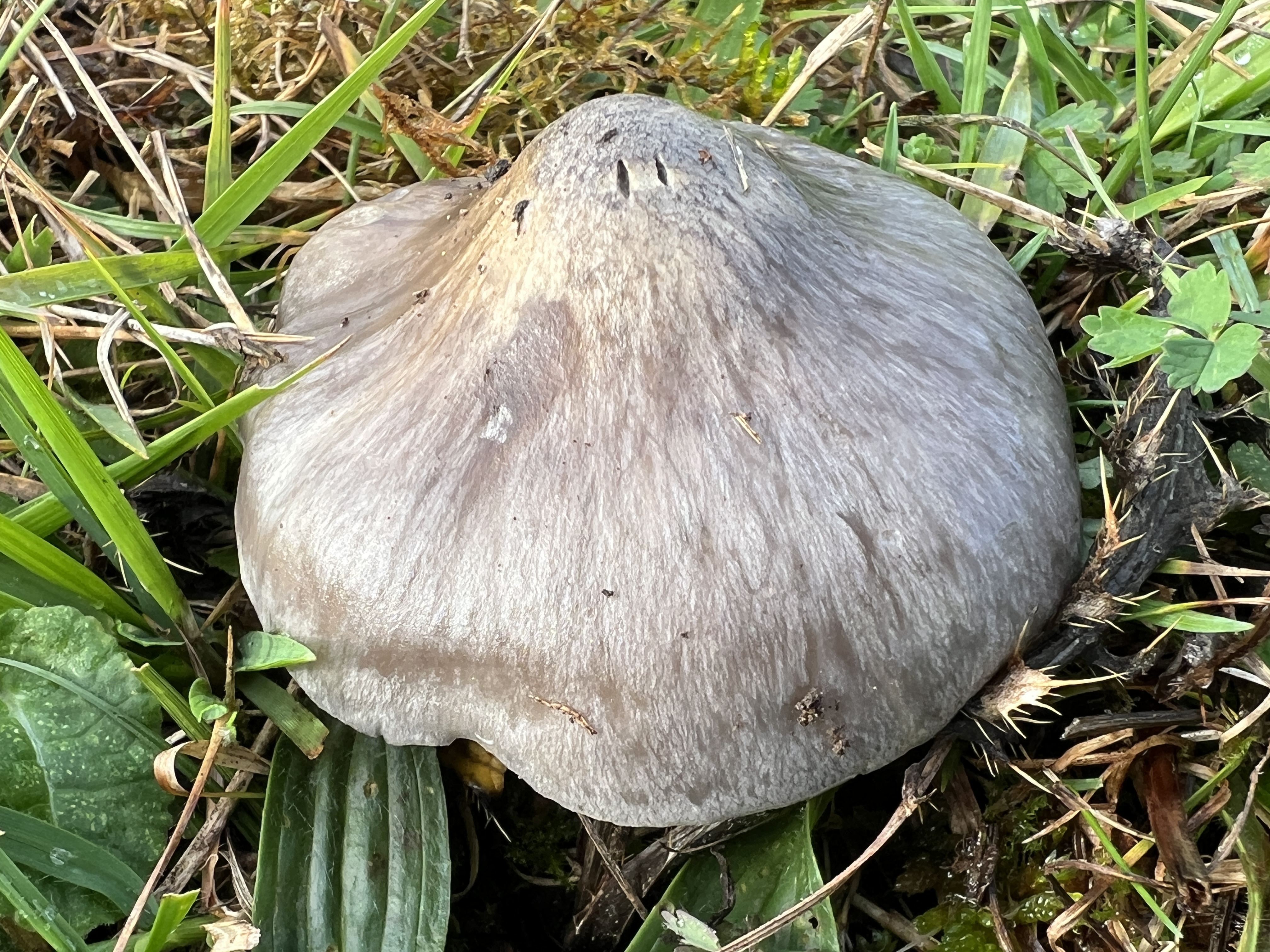
Entoloma bloxamii s. str. (sequenced), Cotswolds, England. © Simon Harding.
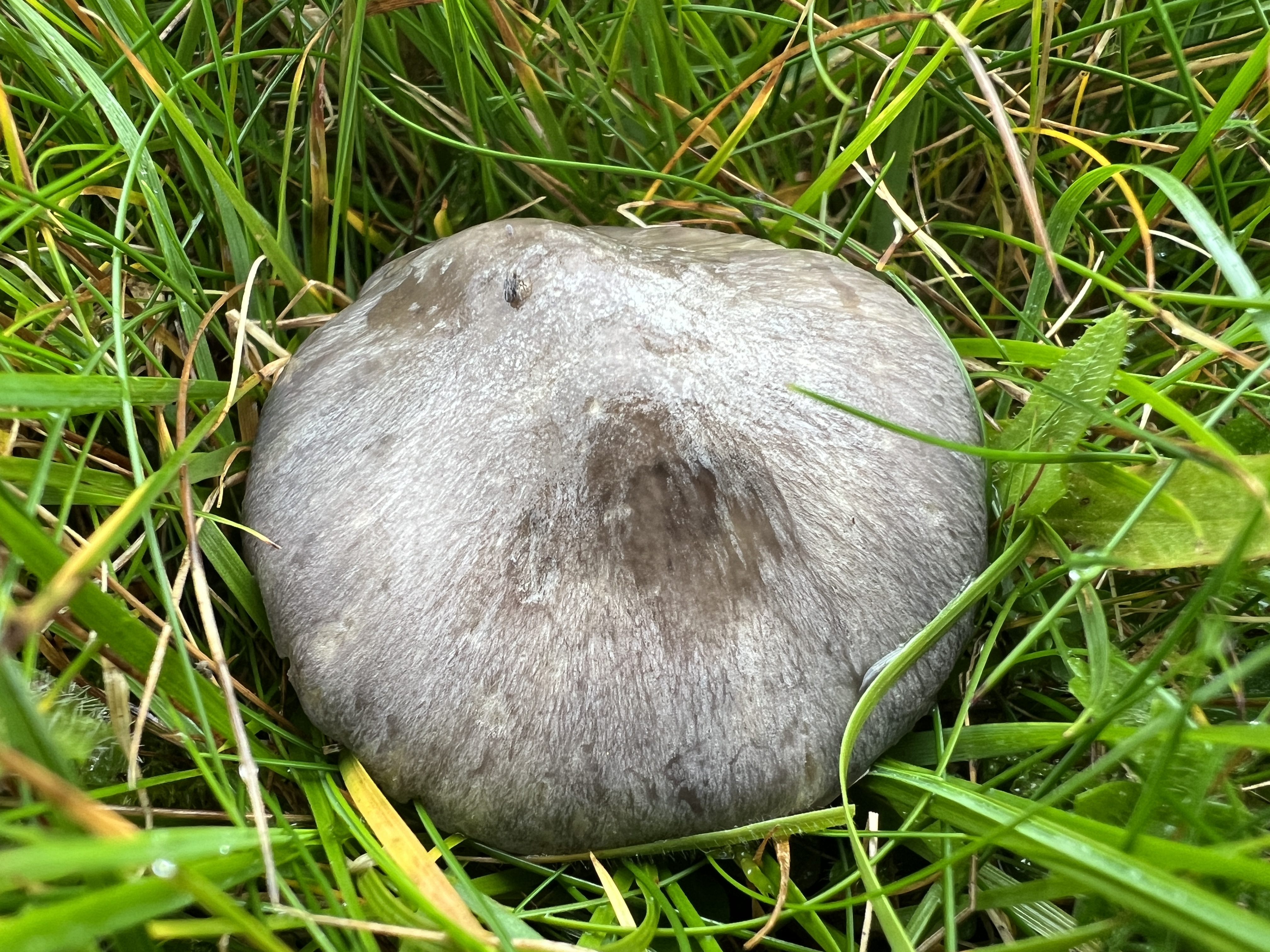
Entoloma bloxamii s. str. (sequenced), Exmoor. England © Simon Harding.
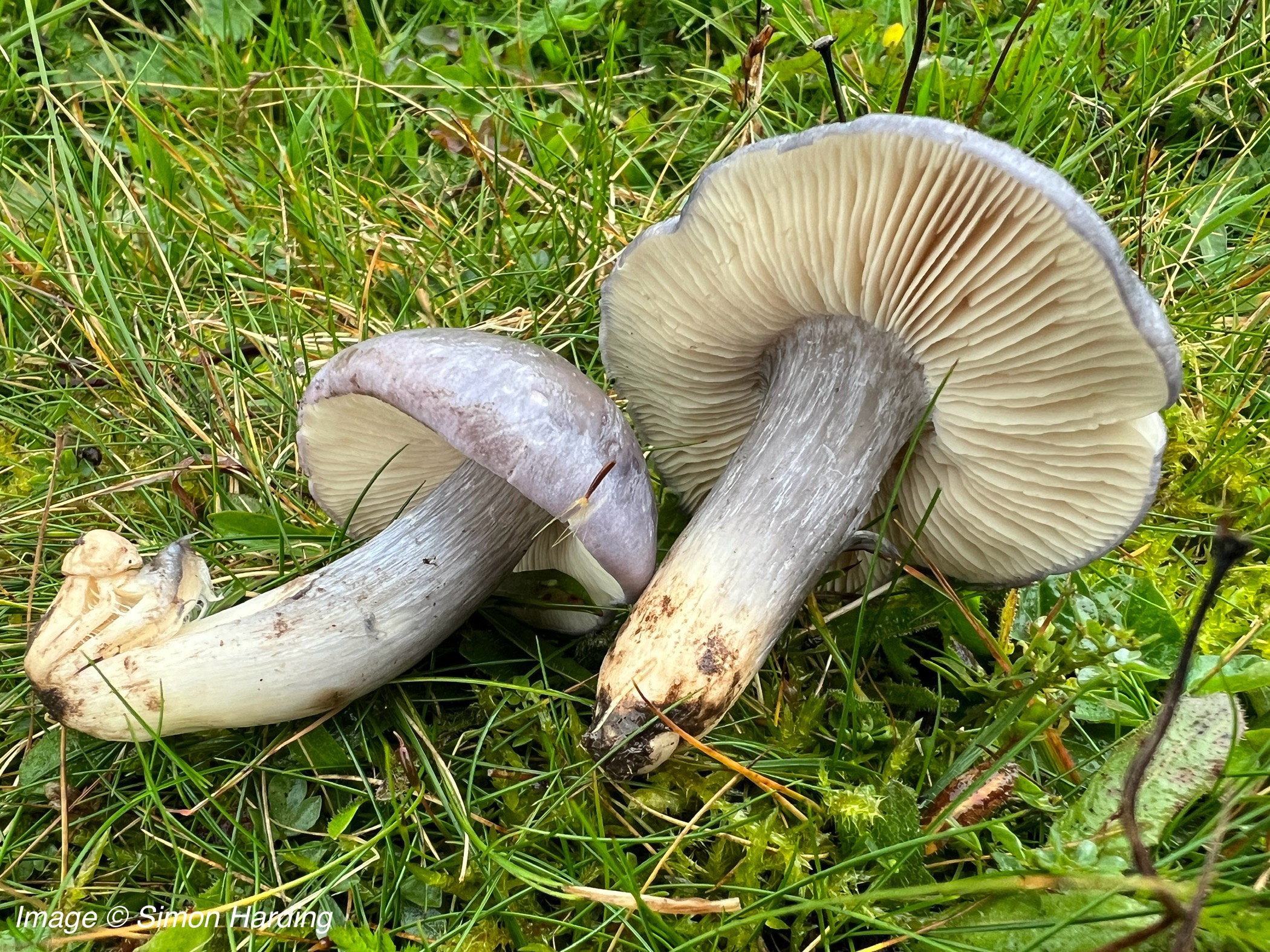
Entoloma bloxamii s. str. (sequenced), Exmoor. England showing contrasting cap & stipe colours sometimes seen when young © Simon Harding.
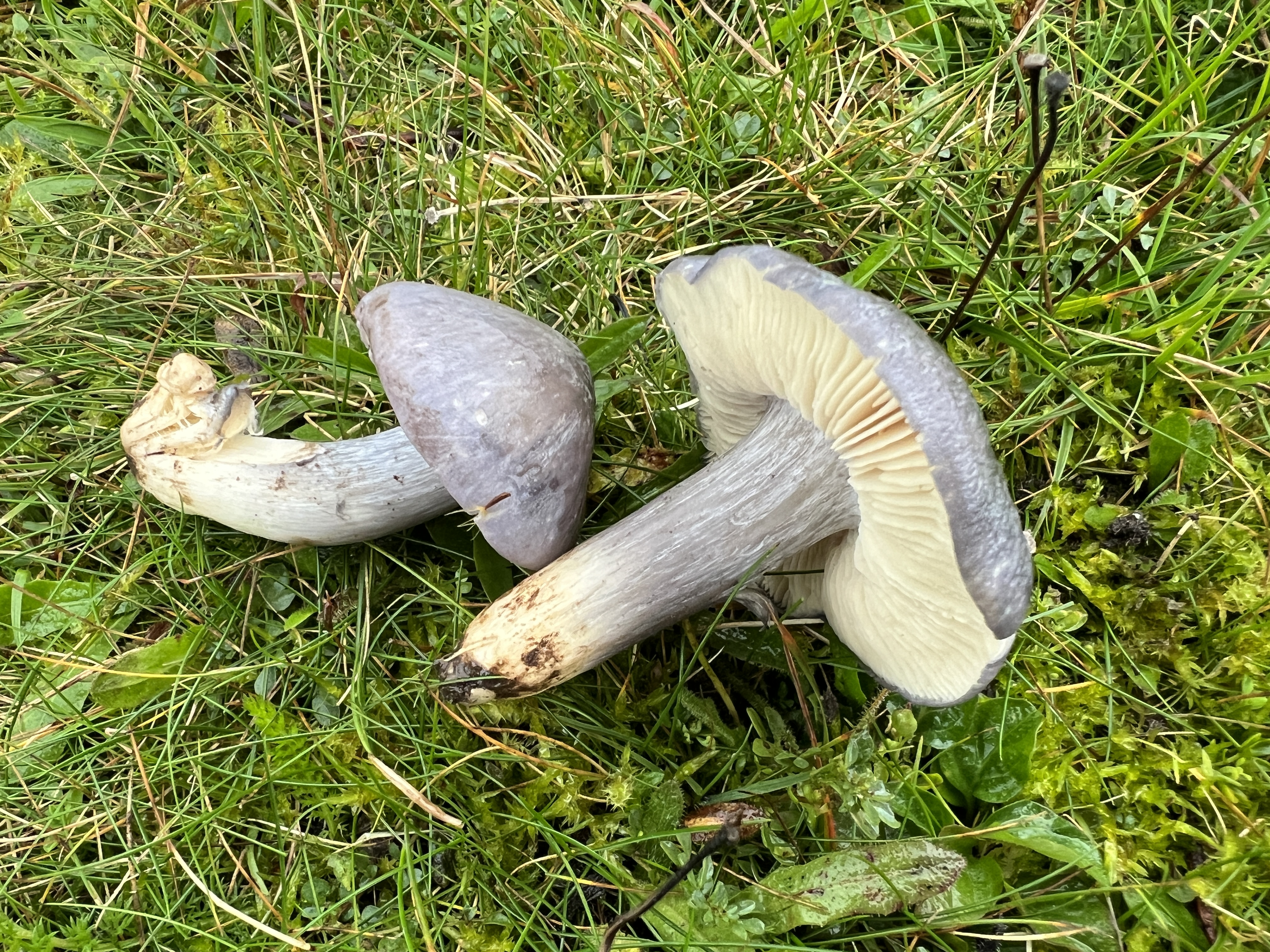
Entoloma bloxamii s. str. (sequenced), Exmoor, England. Showing contrasting cap & stipe colours sometimes seen when young © Simon Harding.
Country occurrence
Regional Population and Trends
| Country | Trend | Redlisted |
|---|