- Proposed
- 2Under Assessment
- 3Preliminary Assessed
- 4Assessed
- 5Published
Cortinarius albocyaneus Fr.
- Scientific name
- Cortinarius albocyaneus
- Author
- Fr.
- Common names
- IUCN Specialist Group
 Mushroom, Bracket and Puffball
- Kingdom
- Fungi
- Phylum
- Basidiomycota
- Class
- Agaricomycetes
- Order
- Agaricales
- Family
- Cortinariaceae
- Assessment status
- Proposed
- Proposed by
- Simon Harding
- Comments etc.
- Simon Harding
Assessment Notes
Taxonomic notes
Synonymy
The following names are listed in Index Fungorum and GBIF as nomenclatural synonyms or subordinate taxa of Cortinarius albocyaneus:Nomenclatural synonyms and subordinate forms
Cortinarius albocyaneus f. incurvus Rob. HenryCortinarius albocyaneus f. umbonatopileus Rob. Henry
Cortinarius anomalus var. albocyaneus (Fr.) Costantin & L.M. Dufour
Dermocybe albocyanea (Fr.) A. Blytt
Gomphos albocyaneus (Fr.) Kuntze
These represent historical combinations or infraspecific taxa based on the original C. albocyaneus concept.
Confirmed synonym
Cortinarius pastoralis Soop, H. Lindstr., Dima, Niskanen, Liimat. & Kytöv.
Confirmed synonym based on ITS sequence identity with the epitype of C. albocyaneus (Liimatainen & Ainsworth 2018).Closely related, valid species (not a synonym)
Cortinarius albocyaneoides M.L. Xie, T.Z. Wei & Yu Li (Persoonia 54: 243, 2025)
Valid, independent species; included for clarity due to similar epithet.
Index Fungorum RecordID: 843745.No other synonyms are supported by type‑derived molecular evidence.
Common Names
There are no established common names for Cortinarius albocyaneus in Britain or internationally.
The species is referred to exclusively by its scientific name in mycological literature, field guides, and conservation documentation.No common name is proposed.
Notes for Assessors
The five names listed above are formal nomenclatural synonyms or subordinate taxa recognised by Index Fungorum.C. pastoralis is the only confirmed molecular synonym.
C. albocyaneoides is not a synonym and should remain separate.
No vernacular names exist or are recommended.
Why suggested for a Global Red List Assessment?
Cortinarius albocyaneus is proposed for assessment because it is a specialist ectomycorrhizal fungus strongly associated with Helianthemum nummularium in calcareous grasslands, forming part of a recognised guild of Cortinarius species linked to Helianthemum hosts in Great Britain. This guild occupies highly fragmented microrefugia—small patches of thin, base‑rich soils that have undergone long‑term decline through agricultural intensification, nutrient enrichment, scrub encroachment, recreational pressure, development, increased wildfire frequency, and loss of traditional management.
Although C. albocyaneus is widespread across the Northern Hemisphere in its woodland expression, its Helianthemum‑associated grassland niche is extremely restricted, and verified records from these habitats are scarce. This reflects both genuine rarity and chronic under‑recording of ectomycorrhizal fungi in open grassland systems. The species shows a split habitat profile, occurring in both calcareous grasslands and mixed deciduous or coniferous woodlands, but the grassland component is the one undergoing the most severe decline, making its persistence in these microrefugia increasingly uncertain.
As an ECM fungus dependent on stable host populations and intact soil chemistry, C. albocyaneus is highly sensitive to nitrogen deposition, hydrological change, drought stress, soil disturbance, recreational impacts, and development pressure. Loss of calcareous grassland directly reduces the availability of suitable host‑root zones, and fragmentation limits gene flow, increasing the risk of local extirpation.
Given the ongoing contraction of Helianthemum grasslands, the fragmented nature of the microrefugia, and the species’ reliance on these habitats, C. albocyaneus fits the profile of taxa likely to meet B2ab(iii) due to continuing decline in habitat quality and extent.For these reasons—ecological specialisation, guild‑level dependence, habitat fragmentation, declining microrefugia, and sensitivity to environmental change—Cortinarius albocyaneus merits formal Global Red List assessment.
Geographic range
Overview
Cortinarius albocyaneus has a broad global distribution in temperate and boreal woodlands, and a highly restricted distribution in ancient calcareous grasslands. These two ecological expressions differ markedly in extent, continuity, and vulnerability.Woodland [removed]global distribution)
The woodland expression is widespread across the Northern Hemisphere. Verified records from GBIF, Species Fungorum and published literature confirm occurrences in:Europe
Sweden, Finland, Norway, Estonia, France, Italy, SpainAsia
China (Beijing, Hebei, Heilongjiang, Inner Mongolia, Jilin, Sichuan)Russia
SiberiaNorth America
USA (New York, Colorado)
Canada (Ontario, Québec)This expression occurs in mixed deciduous and coniferous forests, forming ectomycorrhizas with Betula, Quercus, Pinus, Abies, Larix and other woodland hosts.
It is continuous, widespread and stable, with no evidence of decline.Grassland [removed]restricted distribution)
The grassland expression is ecologically distinct and far more limited. Verified occurrences are confined to:Britain
Ancient calcareous grasslands with Helianthemum nummularium, including DNA‑verified specimens confirming the grassland niche.Continental Europe
Scattered chalk and limestone grasslands where Helianthemum nummularium forms patchy microrefugia.These grassland occurrences are:
few in number
isolated from one another
restricted to long‑established calcareous grasslands
dependent on the presence of Helianthemum
subject to ongoing habitat decline
The grassland niche represents a tiny fraction of the species’ global distribution but is ecologically significant due to its specialised ectomycorrhizal guild and its role in supporting wider calcareous‑grassland biodiversity.
Interpretation
The species therefore has:a secure, widespread woodland distribution, and
a highly restricted, fragmented grassland distribution that is exposed to ongoing habitat decline.
This dual‑expression pattern is central to the assessment and underpins the recommended threatened category under B2ab(iii).
Population and Trends
Woodland expression
The woodland expression of Cortinarius albocyaneus is widespread, stable, and supported by multiple ectomycorrhizal hosts across temperate and boreal forests.
There is no evidence of decline, and no indications of population contraction within the woodland niche.Grassland expression
The grassland expression is extremely restricted, confined to long‑established calcareous grasslands where the species occurs only in small, fragmented Helianthemum microrefugia.
Fruiting is typically sparse, with basidiomata produced singly or in small, widely spaced groups.
These microrefugia are subject to ongoing habitat pressures, including land‑management change, nitrogen deposition, scrub encroachment, drought stress, recreational impacts, development pressure, and increased wildfire frequency.
Given these interacting pressures and the very limited extent of suitable habitat, grassland populations appear small and declining.
Population Trend: Decreasing
Habitat and Ecology
Across its global range, Cortinarius albocyaneus forms ectomycorrhizas with Betula, Quercus, Pinus, Abies, Larix and mixed deciduous–coniferous forests. This woodland expression is widespread and secure.
In ancient calcareous grasslands, the species forms part of a specialised ectomycorrhizal guild associated with Helianthemum nummularium, alongside C. epsomiensis, C. ultrodistortus, C. vesterholtii, C. cisticola, C. ferrusinus, C. boreicyanites and C. subcoronatus. These species form a coherent phylogenetic and ecological group within the grassland Telamonia, each confirmed through sequencing as distinct taxa that consistently occur in Helianthemum microrefugia. This guild represents a stable, repeatable assemblage across multiple calcareous grassland sites, indicating a genuine ecological association rather than incidental co‑occurrence.
These guilds occur in thin calcareous soils where Helianthemum persists only in small, scattered microrefugia, restricting the fungi to very small, fragmented patches of suitable habitat. Helianthemum is shallow‑rooted and drought‑sensitive, relying on ECM fungi for nutrient and water acquisition. The viability of the plant and the wider grassland ecosystem is therefore directly linked to the persistence of its fungal symbionts. The host plant is listed as Vulnerable in England, emphasising the conservation importance of the microrefugia that support this ECM guild.
Calcareous grasslands with Helianthemum support a suite of specialist invertebrates and Lepidoptera of conservation significance, including the Northern Brown Argus (Aricia artaxerxes) (VU; UK Priority Species), Rock‑rose Pot Beetle (Cryptocephalus primarius) (VU; UK Priority Species), Silver Wave (Idaea dilutaria) (UK Priority Species), Cistus Forester (Adscita geryon), Mompha leaf‑miners (M. miscella, M. idaei, M. locupletella), Cistus Tortrix (Phtheochroa rugosana), and various Helianthemum‑associated weevils and leaf‑miners (Curculionidae, Agromyzidae). These specialists are far outnumbered by generalist insects and invertebrates that rely on the habitat structure, microclimate and nectar resources created by healthy Helianthemum stands.
The ectomycorrhizal fungi enabling Helianthemum to survive in thin, drought‑prone calcareous soils therefore have ecosystem‑level importance, supporting both specialist and generalist invertebrate productivity.
Threats
Woodland expression
No major threats are currently identified. The woodland niche is widespread, stable, and supported by multiple ectomycorrhizal hosts across temperate and boreal forests.
However, land management change in woodlands — including commercial forestry operations, selective tree removal, habitat restructuring, conversion to plantation forestry, and increasing frequency of forest fires — may affect local populations. These pressures are not currently causing measurable decline, but they represent potential future risks to established woodland habitat.Grassland expression
The ancient calcareous grassland niche is subject to multiple, interacting pressures, including land management change (e.g., inappropriate tree planting, wildflower meadow creation, rewilding schemes that alter long‑established short‑turf systems), nitrogen deposition, scrub encroachment, loss of short turf, drought stress, and fragmentation of Helianthemum patches.Wildfire frequency and intensity have increased sharply across Britain and Europe. Over 1,000 grassland and heathland fires were recorded in Britain during summer 2026 alone, with similar patterns across France, Spain, Germany, the Netherlands and Scandinavia. These fires increasingly affect calcareous grasslands, including SSSI sites, where thin soils, drought‑stressed vegetation and high recreational use create conditions for rapid ignition and spread.
Wildfires destroy Helianthemum patches outright, remove short turf, alter soil structure, and eliminate the microrefugia required by the specialised ectomycorrhizal guild.Additional pressures include building and development adjacent to calcareous grasslands, which can alter hydrology, increase shading, introduce nutrient run‑off, and intensify footfall. Even small developments near SSSI grasslands can lead to path widening, verge disturbance, and loss of microrefugia.
Recreational pressure is also increasing across many calcareous grassland SSSIs. Activities such as dog‑walking groups, off‑lead dogs, drone flying, e‑bike use, informal path creation, and large temporary events (e.g., a circus recently sited on Minchinhampton Common) cause soil compaction, turf damage, nutrient enrichment, and disturbance of Helianthemum patches.
These pressures reduce both the extent and quality of Helianthemum microrefugia, which support a coherent ectomycorrhizal guild including C. albocyaneus, C. epsomiensis, C. ultrodistortus, C. vesterholtii, C. cisticola, C. ferrusinus, C. boreicyanites and C. subcoronatus.
Decline or fragmentation of these microrefugia therefore affects multiple specialist ECM fungi simultaneously, exposing the grassland expression of C. albocyaneus to ongoing habitat degradation even where the woodland expression remains secure.
Conservation Actions
Woodland expression
No targeted conservation actions are required at present. The woodland niche is widespread and stable.
However, general habitat safeguards are beneficial, including maintaining diverse native woodland structure, avoiding unnecessary removal of ectomycorrhizal hosts (e.g., Betula, Quercus, Pinus, Abies, Larix), and ensuring forestry operations minimise soil disturbance. Monitoring is recommended where land management change, plantation conversion, or increasing forest fire frequency may affect established ECM communities.Grassland expression
The grassland niche requires active conservation measures due to its dependence on long‑established calcareous grassland and Helianthemum nummularium microrefugia. Recommended actions include:Maintain short‑turf calcareous grassland through appropriate grazing or mowing regimes.
Prevent scrub encroachment to preserve open, sun‑exposed Helianthemum patches.
Avoid land management changes that alter ancient grassland structure (e.g., tree planting, wildflower meadow creation, rewilding schemes that remove short turf).
Reduce nitrogen inputs where feasible to prevent competitive grass dominance.
Protect and expand Helianthemum microrefugia, ensuring continuity of the specialised ECM guild (C. albocyaneus, C. epsomiensis, C. ultrodistortus, C. vesterholtii, C. cisticola, C. ferrusinus, C. boreicyanites, C. subcoronatus).
Safeguard sites from drought‑related decline through sensitive management of grazing pressure and soil exposure.
Mitigate recreational impacts, including soil compaction, turf damage, nutrient enrichment, informal path creation, off‑lead dog activity, drone use, e‑bike traffic, and large temporary events. These pressures now affect many calcareous grassland SSSIs and other protected landscapes, contributing to loss of short turf and fragmentation of Helianthemum patches.
Mitigate development pressure adjacent to calcareous grasslands, preventing shading, hydrological change, nutrient run‑off, and increased footfall.
Implement fire‑risk management on drought‑prone calcareous grasslands, given the sharp increase in grassland and heathland wildfires across Britain and Europe.
Monitor known populations to detect changes in fruiting frequency, habitat condition, and Helianthemum viability.
Cross‑cutting actions
Raise awareness of the specialised Helianthemum‑associated ECM guild among land managers and conservation bodies.Ensure calcareous grassland sites are recognised as priority habitats, given their support for multiple Section 41 invertebrates and a Vulnerable plant species (Helianthemum nummularium).
Promote research into the ecology, genetics, and long‑term stability of the grassland ECM guild.
Research needed
Further research would improve understanding of both the woodland and grassland expressions of Cortinarius albocyaneus. Priorities include:
Targeted surveys in ancient calcareous grasslands to clarify the extent, continuity and stability of the Helianthemum‑associated ectomycorrhizal guild, and to identify additional microrefugia supporting the species.
Monitoring of known grassland sites to assess fruiting frequency, microrefugia condition, and long‑term persistence of the ECM community, particularly in areas affected by drought, recreational pressure, development, or increased wildfire frequency.
Molecular work to verify additional grassland records and strengthen phylogenetic understanding of the specialised ECM guild associated with Helianthemum.
Ecological studies on the functional role of the species within Helianthemum microrefugia, including nutrient exchange, drought buffering, carbon storage, and the contribution of the ECM guild to wider grassland ecosystem stability.
Assessment of land‑management impacts, particularly grazing regimes, scrub control, nitrogen deposition, recreational use, development pressure, and interventions that alter short‑turf calcareous grassland structure.
Long‑term monitoring of woodland populations in regions experiencing increased fire frequency or forestry restructuring, to detect any emerging pressures on the secure woodland expression.
This research would strengthen understanding of the species’ dual ecological expressions and support future reassessment if habitat pressures intensify.
Use and Trade
Cortinarius albocyaneus is not known to be used or traded for food, medicine, cultivation, or any commercial purpose. It has no role in the edible mushroom market and no known medicinal applications.
Its primary significance is ecological, not economic. Across its range, C. albocyaneus contributes to ectomycorrhizal nutrient exchange, soil carbon storage, and host‑plant resilience in both woodland and calcareous grassland systems. In ancient grasslands, it forms part of a specialised ECM guild supporting Helianthemum nummularium (listed as Vulnerable in England) and the wider assemblage of invertebrates dependent on this habitat.
There is no evidence of harvesting, trade, or exploitation, and no known pressures arising from human use.
Bibliography
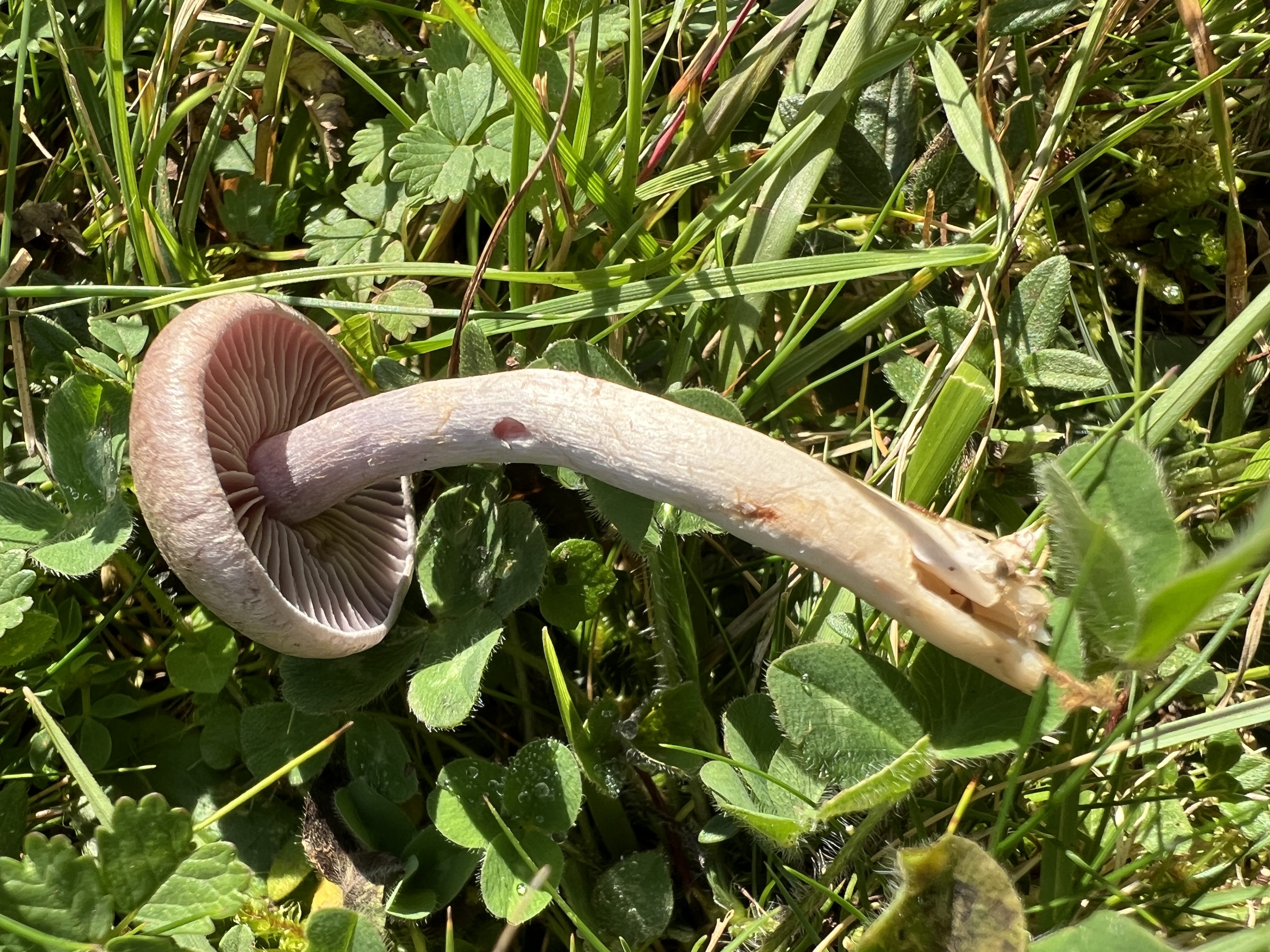
Cortinarius albocyaneus Fr. with Helianthemum, Cotswolds ancient grassland — © Simon Harding
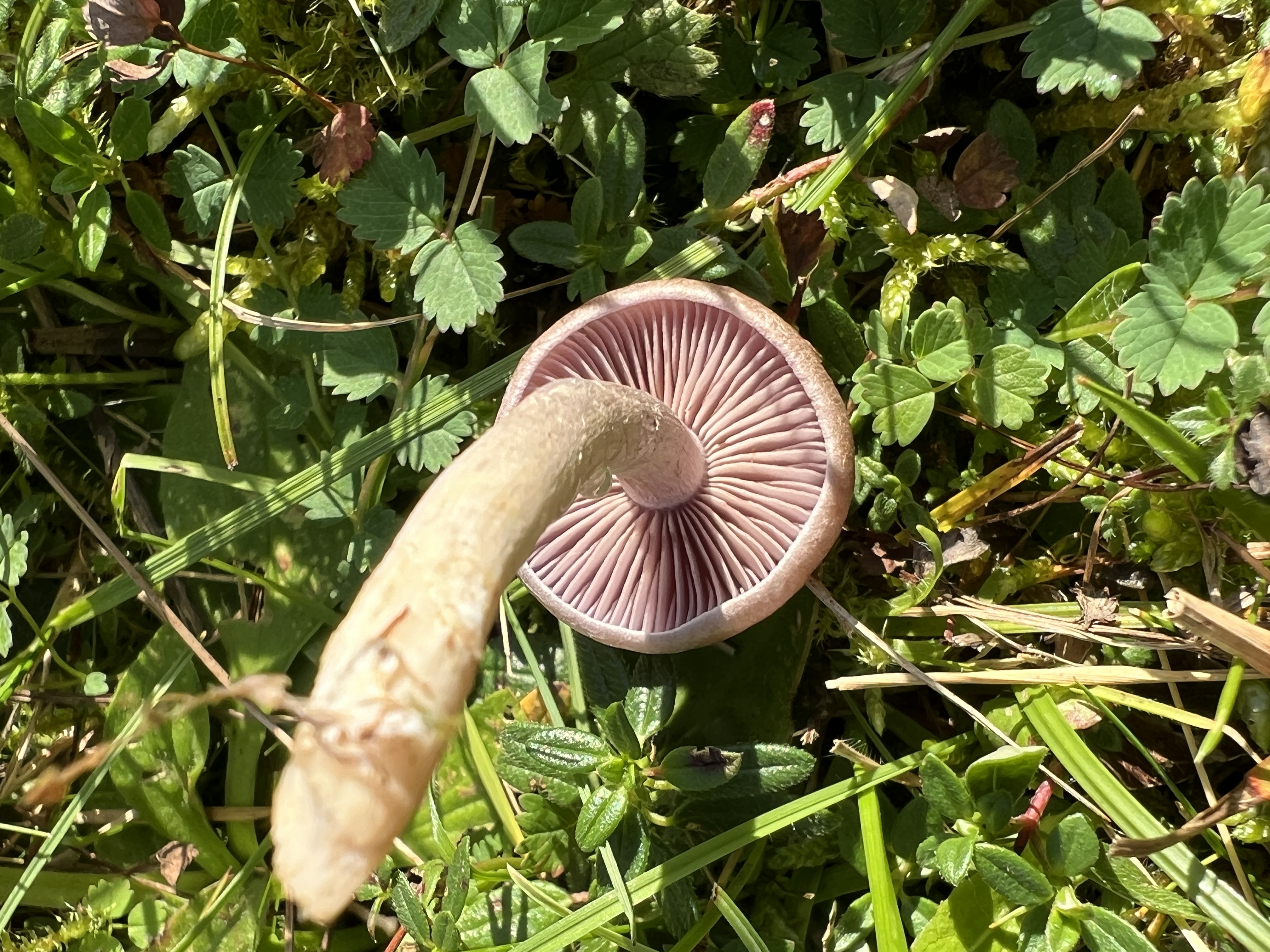
Cortinarius albocyaneus Fr. with Helianthemum, Cotswolds ancient grassland — © Simon Harding
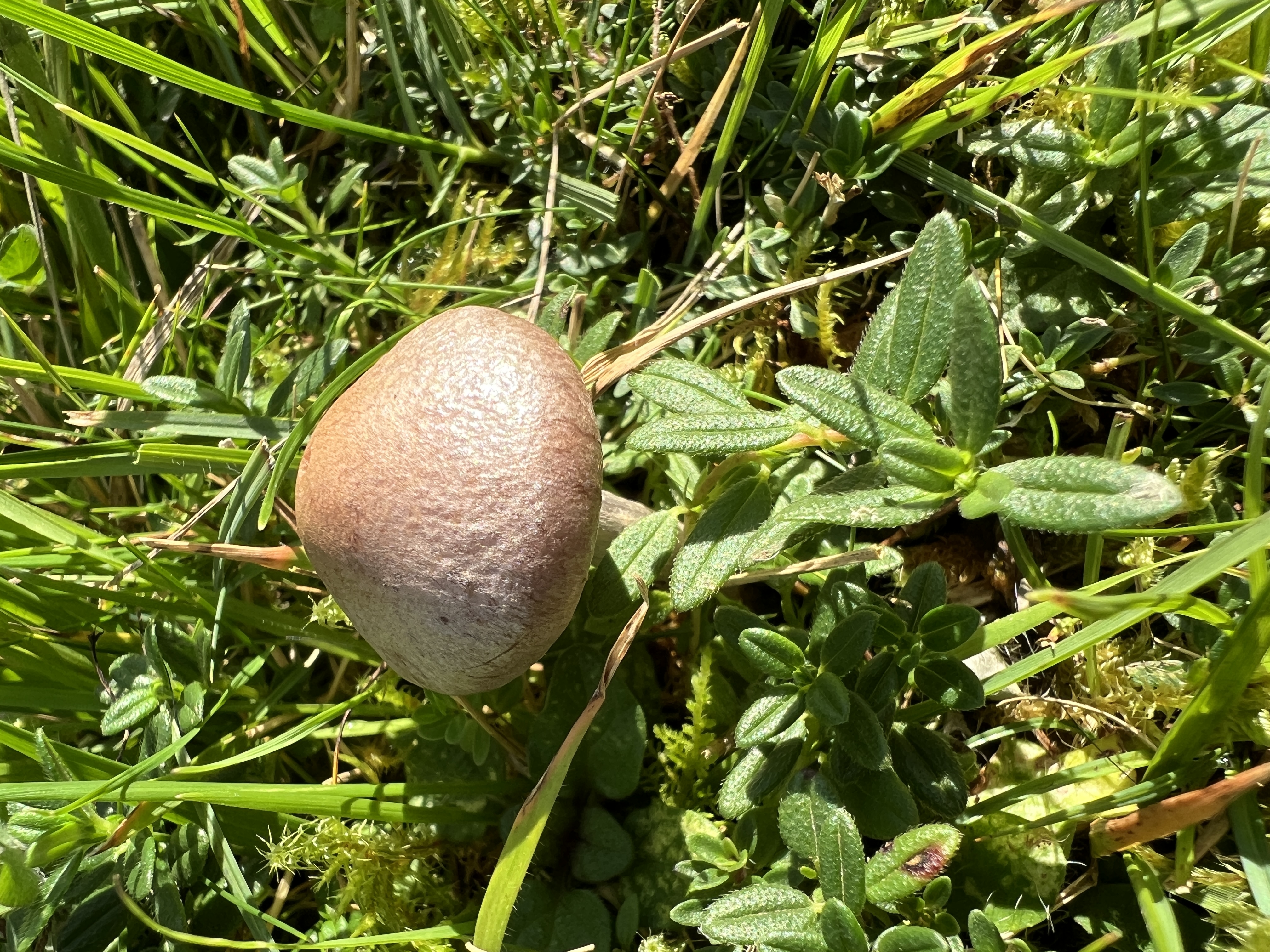
Cortinarius albocyaneus Fr. with Helianthemum, Cotswolds ancient grassland — © Simon Harding
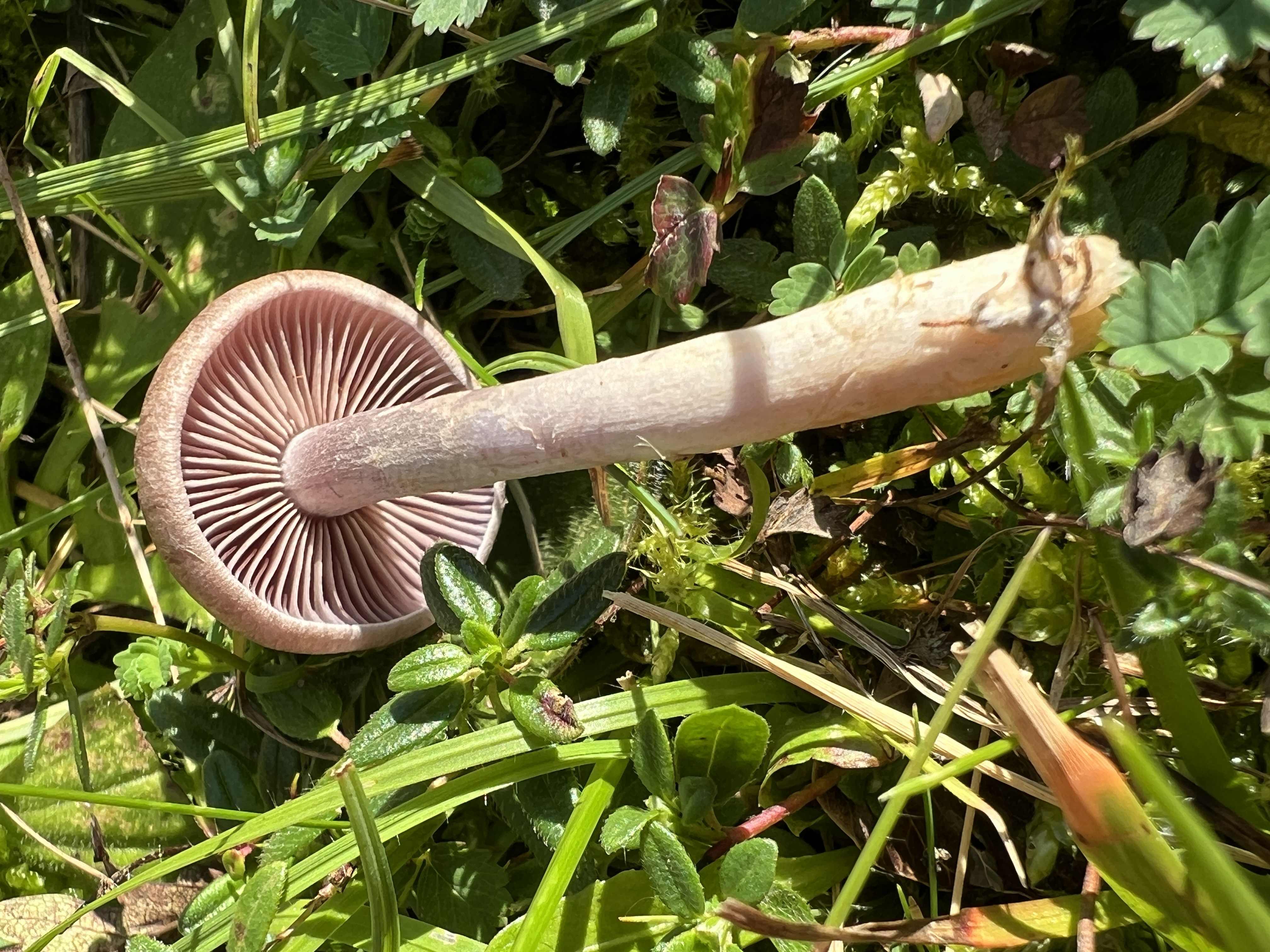
Cortinarius albocyaneus Fr. with Helianthemum, Cotswolds ancient grassland — © Simon Harding

Cortinarius albocyaneus Fr. with Helianthemum, Cotswolds ancient grassland — © Simon Harding
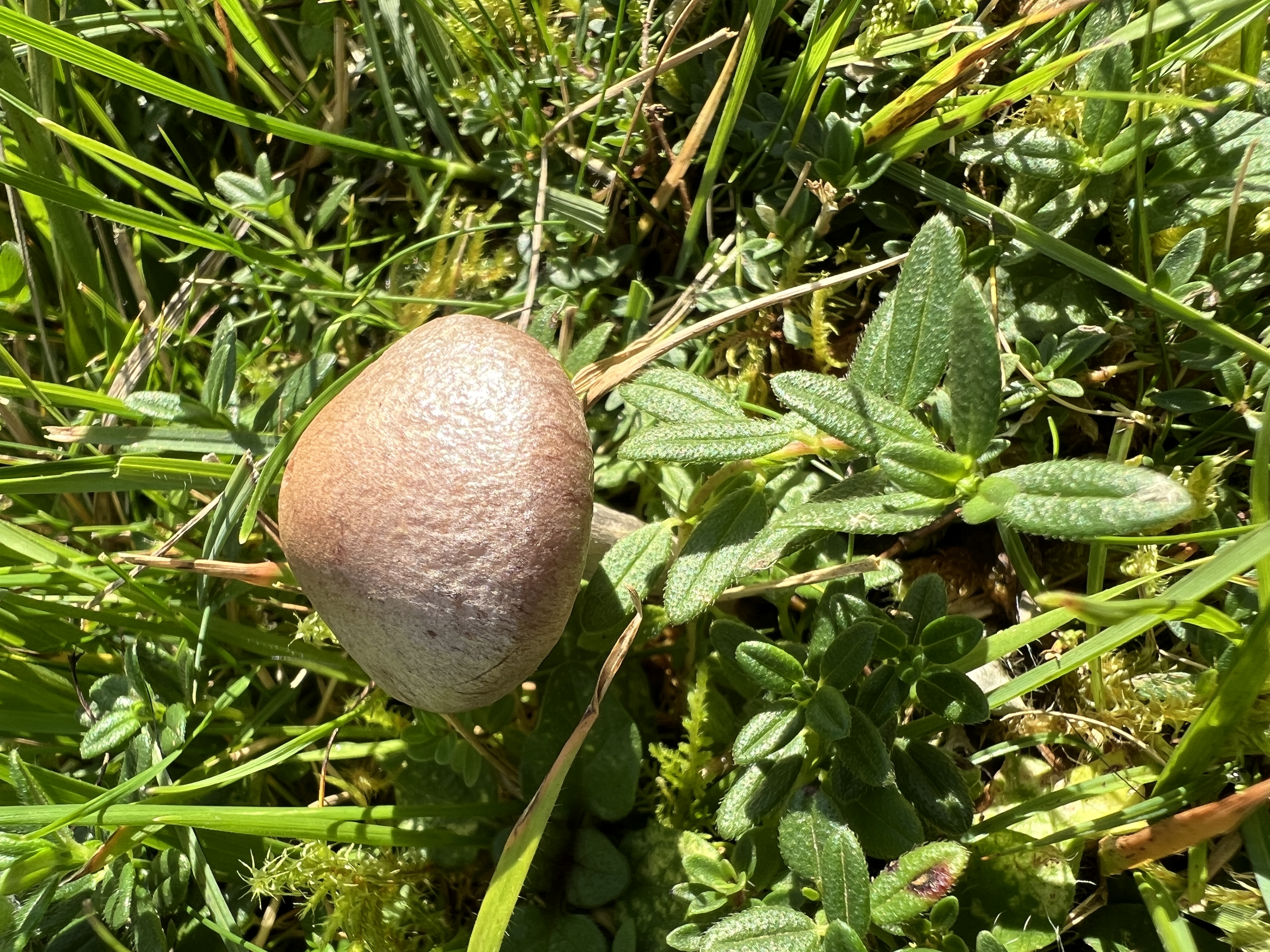
Cortinarius albocyaneus Fr. with Helianthemum, Cotswolds ancient grassland — © Simon Harding
Country occurrence
Regional Population and Trends
| Country | Trend | Redlisted |
|---|