- Proposed
- Under Assessment
- Preliminary Assessed
- Assessed
- VUPublished
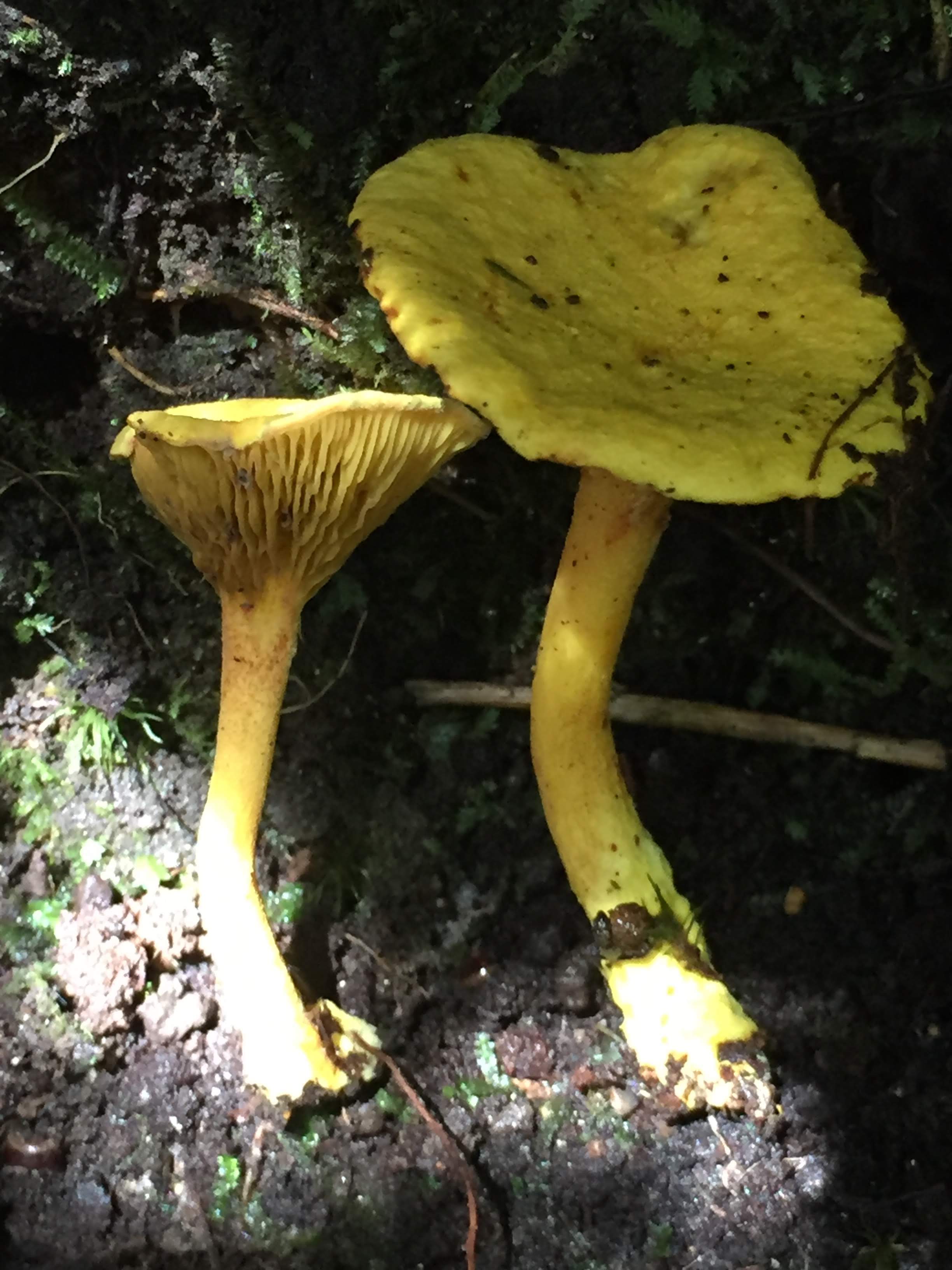
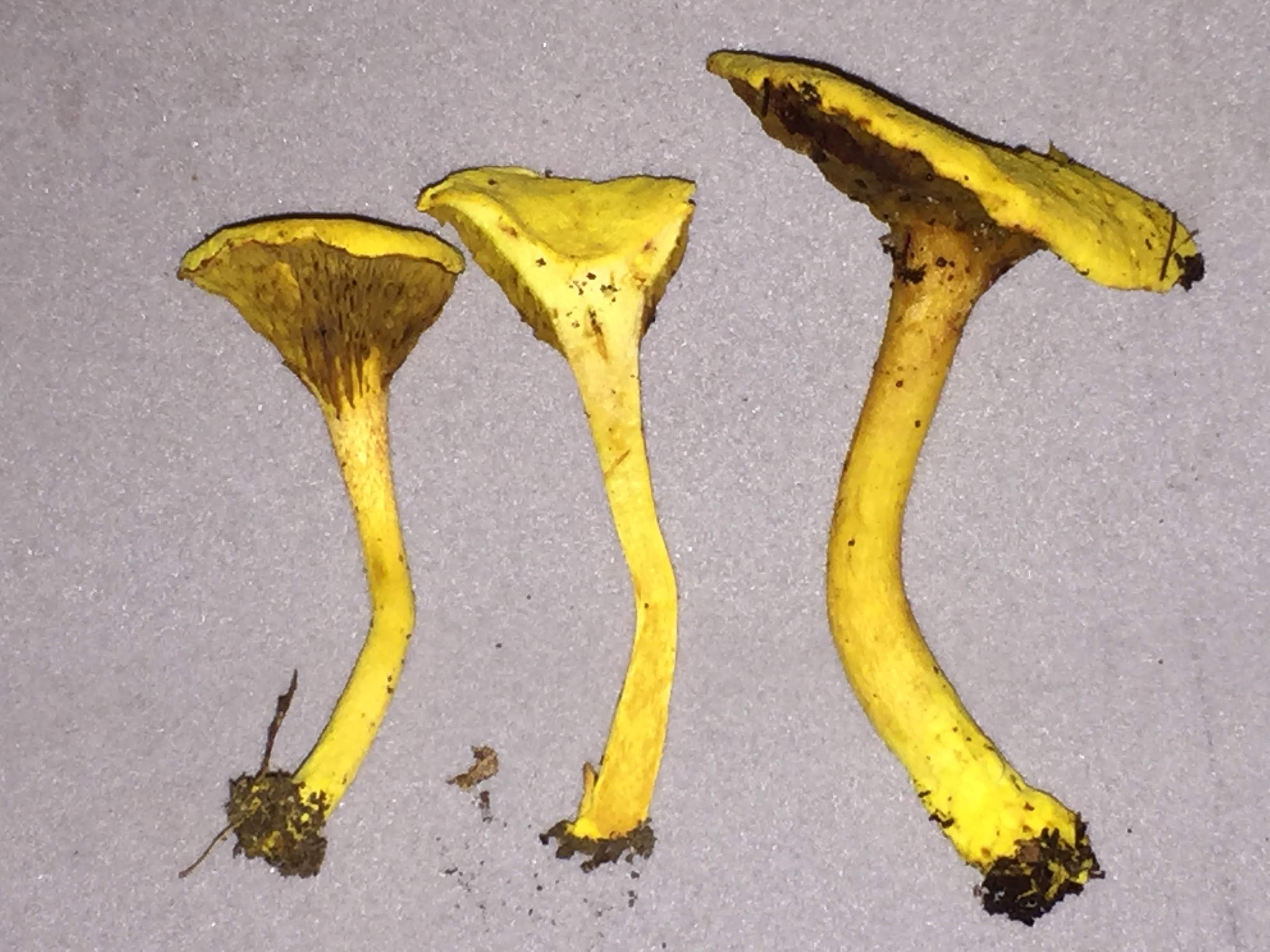
Phylloporus fibulatus Singer, Ovrebo & Halling
- Scientific name
- Phylloporus fibulatus
- Author
- Singer, Ovrebo & Halling
- Common names
- IUCN Specialist Group
 Mushroom, Bracket and Puffball
- Kingdom
- Fungi
- Phylum
- Basidiomycota
- Class
- Agaricomycetes
- Order
- Boletales
- Family
- Boletaceae
- Assessment status
- Published
- Assessment date
- 2020-04-01
- IUCN Red List Category
- VU
- IUCN Red List Criteria
- A4c
- Assessors
- Kelmer Martins da Cunha; Adriana Calle; E. Ricardo Drechsler-Santos; Thiago Kossmann; Pablo Sandoval-Leiva; Aída Vasco-Palacios; Manuela Zuluaga
- Reviewers
- Gregory Mueller (Chicago Botanic Garden / IUCN SSC Mushroom, Bracket and Puffball Specialist Group)
Assessment Notes
Justification
Phylloporous fibulatus is endemic to Colombia where it is found in wet montane forests dominated by Quercus humboldtii. The species forms an obligate mycorrhizal relationship with Q. humboldtii. There is no direct information that the population has declined, but a significant decline is inferred due to significant past and ongoing habitat loss and decline in habitat quality. There is a reported nearly 42% loss of Q. humboldtii populations in Colombia, and the tree has been nationally listed as vulnerable (VU A2cd) there (Cardenas and Salinas 2007). Deforestation in Colombia has increased in recent years and is anticipated to continue into the future. A loss of its mycorrhizal host directly impacts Phylloporous fibulatus - and it is estimated that the species has undergone rapid population declines in the past that will continue into the future resulting in a population decline of between 30-50% over three generations. Therefore, the species is listed as Vulnerable.Geographic range
Phylloporus fibulatus is an endemic species of Colombia. This species has been collected in Antioquia, Nariño and Tolima departments. It is restricted to the distribution of Quercus humboldtti, with which it forms an ectomycorrhizal symbiosis.Population and Trends
Phylloporus fibulatus is only known from a few scattered sites in Antioquia, Nariño and Tolima, in montane forests with Quercus humboldtii (Vasco-Palacios and Franco-Molano 2013, Peña-Venegas and Vasco-Palacios 2019). Its host tree has a wider distribution, and Phylloporus fibulatus likely occurs in other localities around the country. Phylloporus fibulatus is known from 13 herbarium specimens housed in the herbarium at the University of Antioquia (HUA), collected between 1986 and 2018. There is no direct information that the population has declined, but a significant decline is inferred due to past and ongoing habitat loss and a decline in habitat quality. Further pressure and population reductions are expected to continue. There has been nearly a 42% loss of Quercus humboldtii populations in Colombia, and the tree has been nationally listed as Vulnerable (VU A2cd) there (Cardenas and Salinas 2007). Deforestation in Colombia has increased in recent years and is anticipated to continue into the future. A loss of its mycorrhizal host directly impacts Phylloporous fibulatus - and it is estimated that the species has undergone rapid population decline in the past and that will continue into the future resulting in a population decline of between 30-50% over three generations.
Population Trend: Decreasing