- Proposed
- Under Assessment
- Preliminary Assessed
- Assessed
- VUPublished
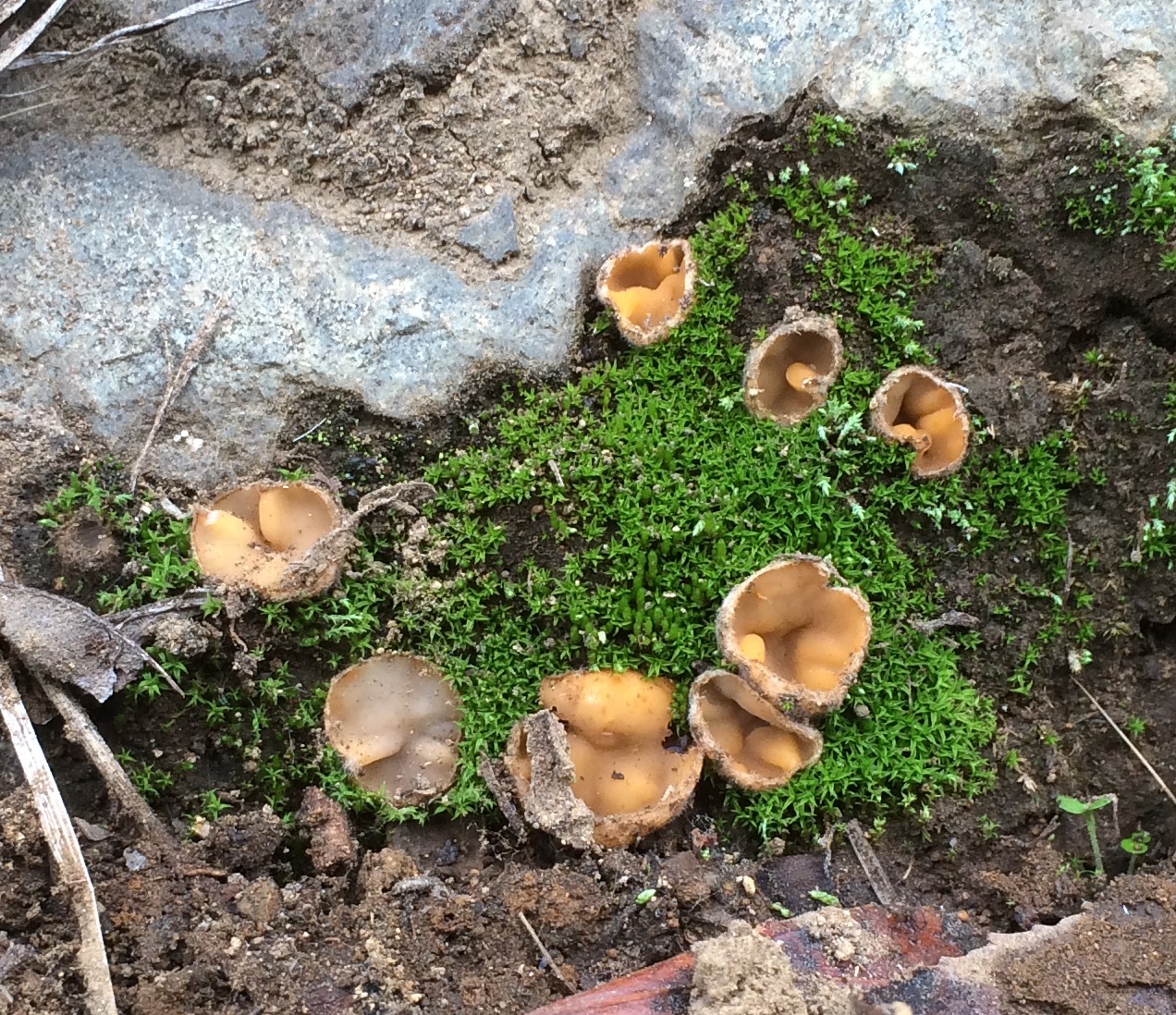
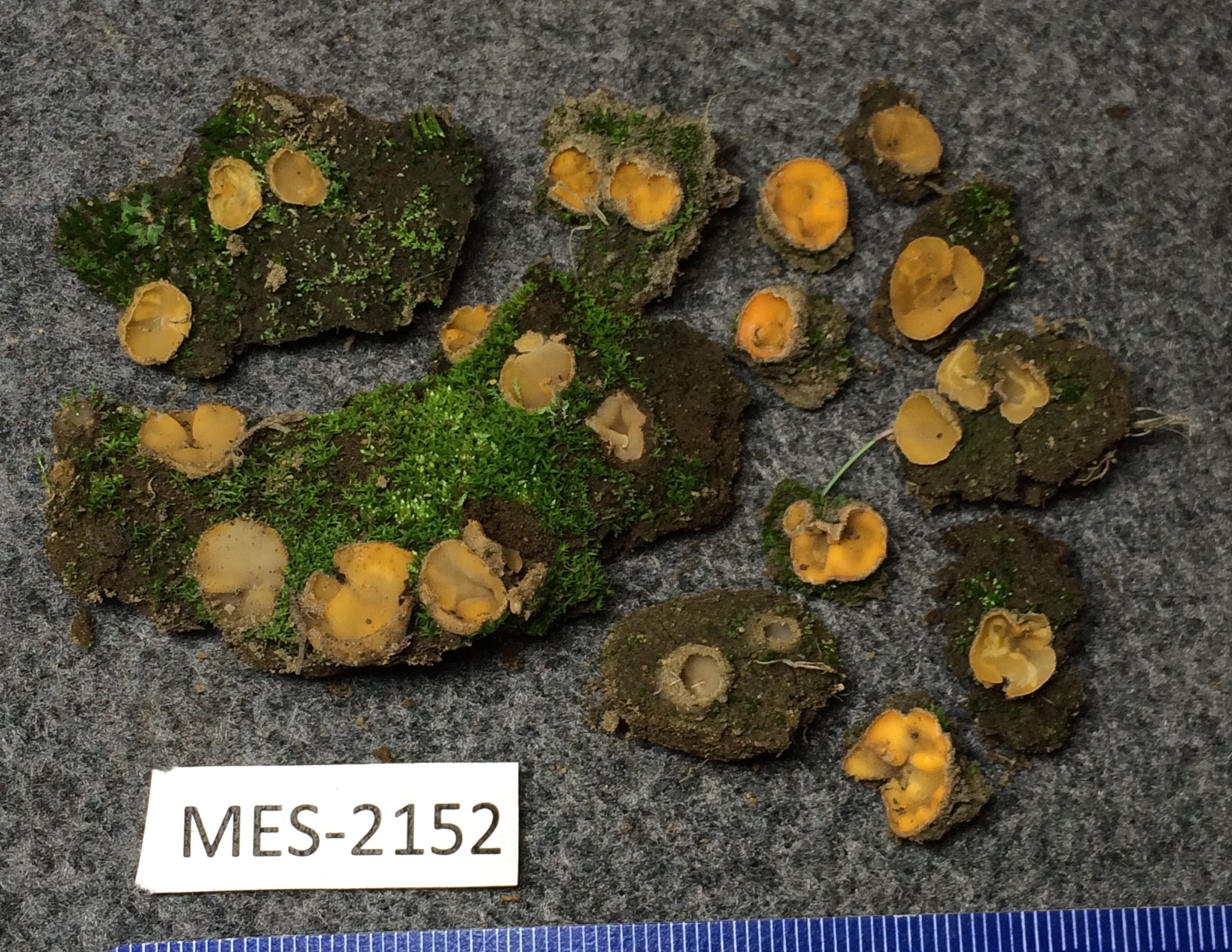
Pseudotricharina lanigera Healy, D. Torres, Pfister & M.E. Sm.
Search for another species...
- Scientific name
- Pseudotricharina lanigera
- Author
- Healy, D. Torres, Pfister & M.E. Sm.
- Common names
- IUCN Specialist Group
 Cup-fungi, Truffles and Allies
- Kingdom
- Fungi
- Phylum
- Ascomycota
- Class
- Pezizomycetes
- Order
- Pezizales
- Family
- Pyronemataceae
- Assessment status
- Published
- Assessment date
- 2020-03-31
- IUCN Red List Category
- VU
- IUCN Red List Criteria
- D1
- Assessors
- Giuliana Furci (Fundación Fungi, Chile); Matthew Smith
- Reviewers
- David Minter (CABI International, UK / IUCN SSC Cup-fungus, Truffle and Ally Specialist Group); Bryn Dentinger (Natural Historla Museum Utah & University of Utah)
Assessment Notes
The content on this page is fetched from The IUCN Red List of Threatened Species: https://www.iucnredlist.org/species/172832888/172861387
Justification
This species is recently described but nonetheless appears to be genuinely rare, as it has only been recorded in limited numbers from one site in an area well surveyed for this order. It is therefore likely that the number of mature individuals is less than 1,000, and so it is assessed as Vulnerable D1.Geographic range
This species is known from one site near Lago Hess in Nahuel Huapi National Park, Argentina.Population and Trends
Despite extensive sampling for Pezizales fungi throughout Patagonia (see Truong et al. 2017) as well as years of taxonomic work on Pezizales by the famous Argentinian mycologist Dr. Irma Gamundi (e.g. Gamundi 2010), this species has only been collected twice in one year at one site near Lago Hess in Nahuel Huapi National Park. Based on it being only known from limited numbers at one site, despite this region having been intensively surveyed for this order over a long period of time, it is likely that there are fewer than 1,000 mature individuals. There is not enough information to be able to state the population trend.
Population Trend: Unknown