- Proposed
- 2Under Assessment
- 3Preliminary Assessed
- 4Assessed
- 5Published
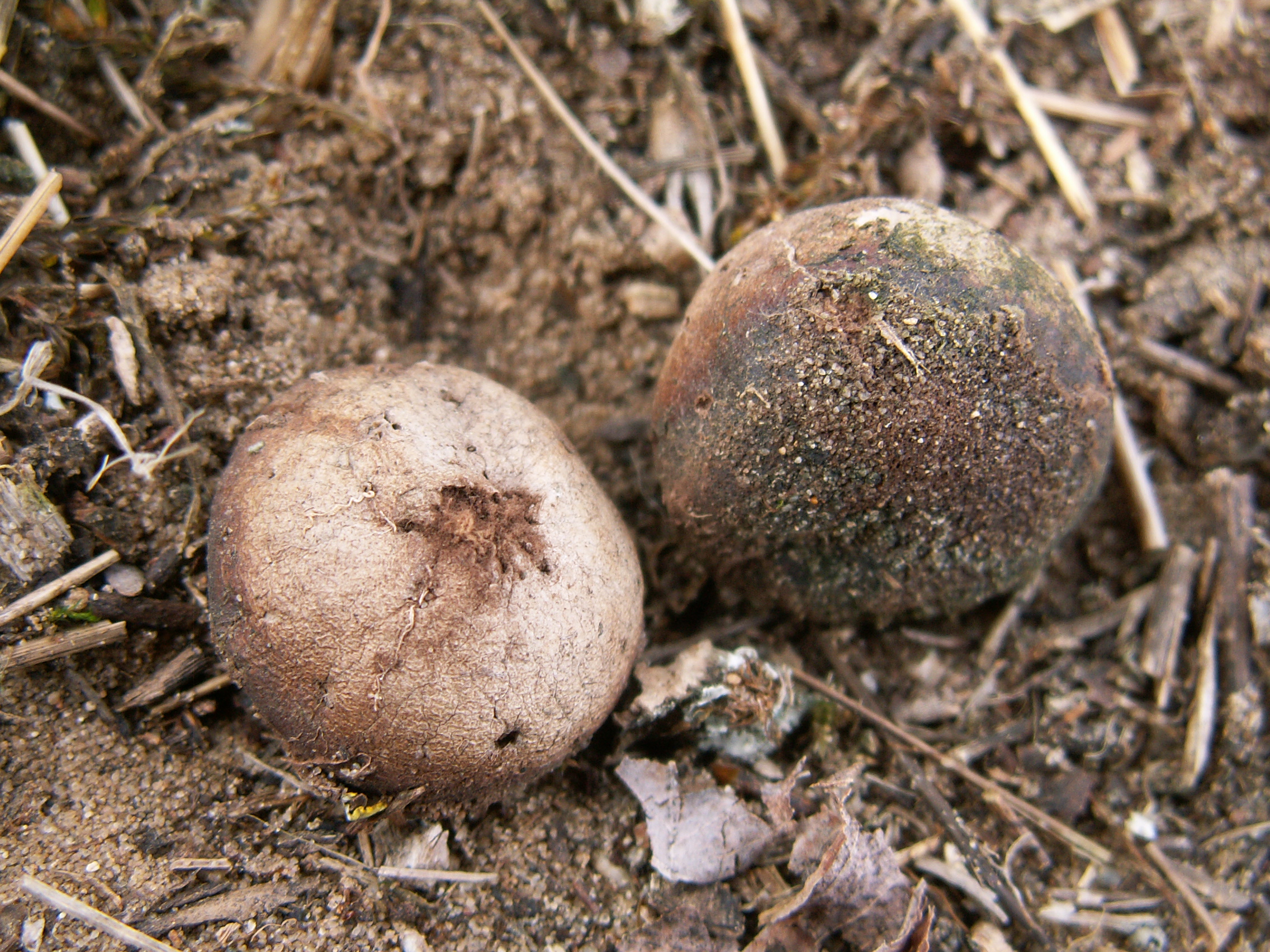
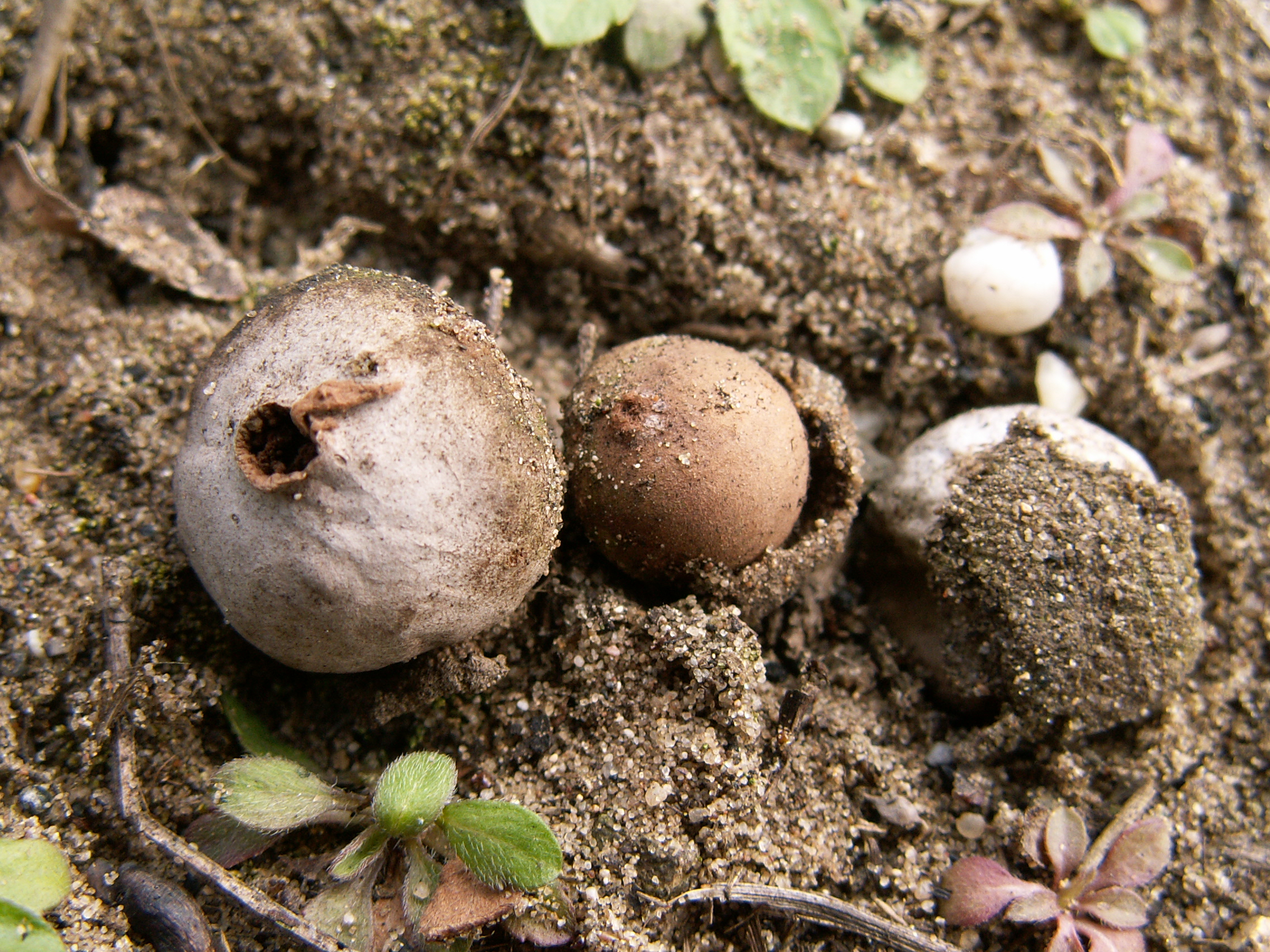
Disciseda bovista (Klotzsch) Henn.
- Scientific name
- Disciseda bovista
- Author
- (Klotzsch) Henn.
- Common names
 stor diskröksvamp
 Pūpēžu bļodenīte
- IUCN Specialist Group
 Mushroom, Bracket and Puffball
- Kingdom
- Fungi
- Phylum
- Basidiomycota
- Class
- Agaricomycetes
- Order
- Agaricales
- Family
- Agaricaceae
- Assessment status
- Proposed
- Proposed by
- Mikael Jeppson
- Comments etc.
- Mikael Jeppson, Inita Daniele
Assessment Notes
Taxonomic notes
Disciseda bovista was described from South America as Geaster bovista by Klotzsch in 1843. It was later combined to Disciseda by Henning i 1903. The type material is lost. Macromorphology is more or less similar in all species of Disciseda and microscopy is always needed for reliable identifications.
Why suggested for a Global Red List Assessment?
Disciseda bovista has a wide distribution in North America and Eurasia but is dependent on xerothermic grazed grasslands and steppic habitats. Large population. Overgrowth due to ceased grazing as well as destruction of its habitat (grazed grassland being transferred to cultivated farmlands; histroical and ongoing) are detrimental factors. Suggested NT (A3c)
Geographic range
Disciseda bovista has a wide distribution in the northern hemisphere. It is a lowland species but reaches isolated subalpine grazed grasslands (alt 450 m a s l) in S. Norway. It has further been recorded from South America (type locality in Chile) but is absent from Africa and Oceania. The distribution is somewhat ambiguous due to misidentications with related species with similar macro-features.
Population and Trends
Currently recorded from appr. 500 occurrences (GBIF) worldwide. Given the wide distribution range and its inconspicuous fruitbodies it is likely to have been under-redorded in suitable habitats in both the Americas and Eurasia.
Estimated number of localities: 2000
Estimated number of mature individuals: 40000Suspected historical and ongoing decline due to changing land as grazing is abandoned and as arid habitats are being transformed into arable fields.
EOO: 77 000 000 km2
AOO: 684 km2
Population Trend: Decreasing
Habitat and Ecology
Saprotrophic species of open, xerothermic grassland and steppe habitats, often on sandy soil.
Threats
A species of xerothermic grasslands and dry mediterranean vegetation. Overgrowth due to ceased grazing as well as exploitation of its habitat (grazed grassland being transferred to cultivated farmlands).
Conservation Actions
D. bovista is red-listed in Sweden and Norway where its reaches it northernmost distribution limit.
Research needed
Use and Trade
None