- Proposed
- Under Assessment
- Preliminary Assessed
- Assessed
- VUPublished
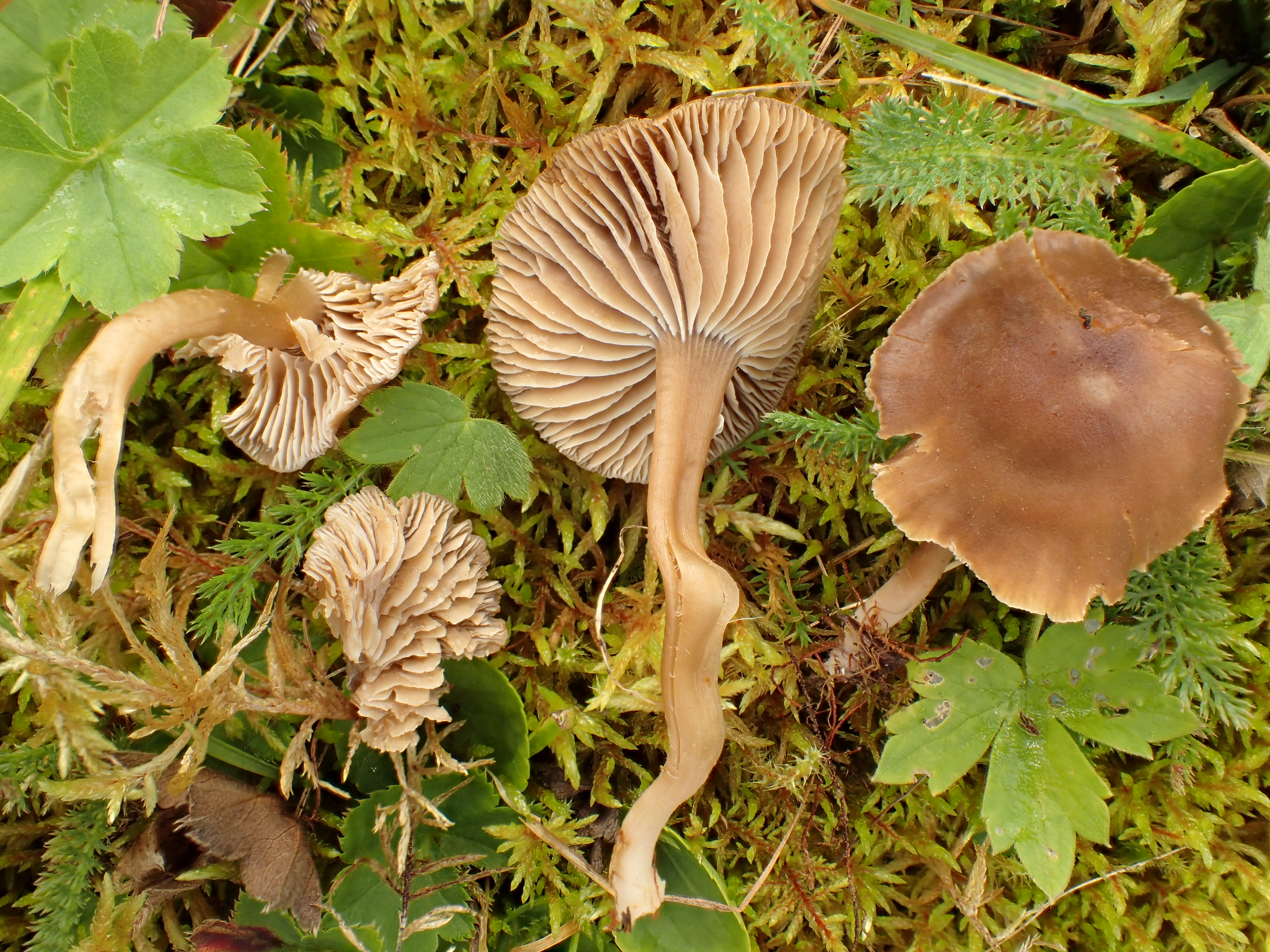
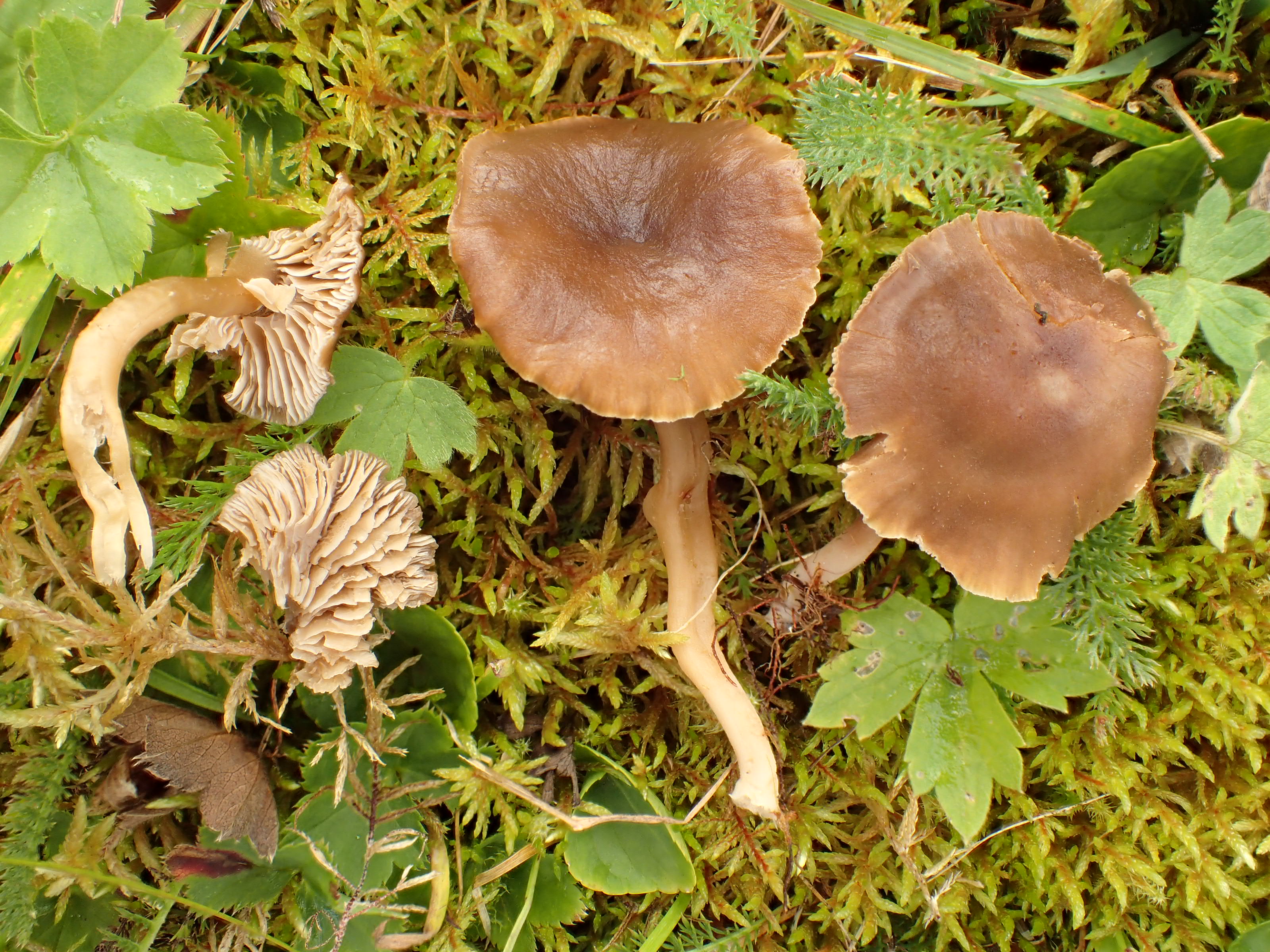
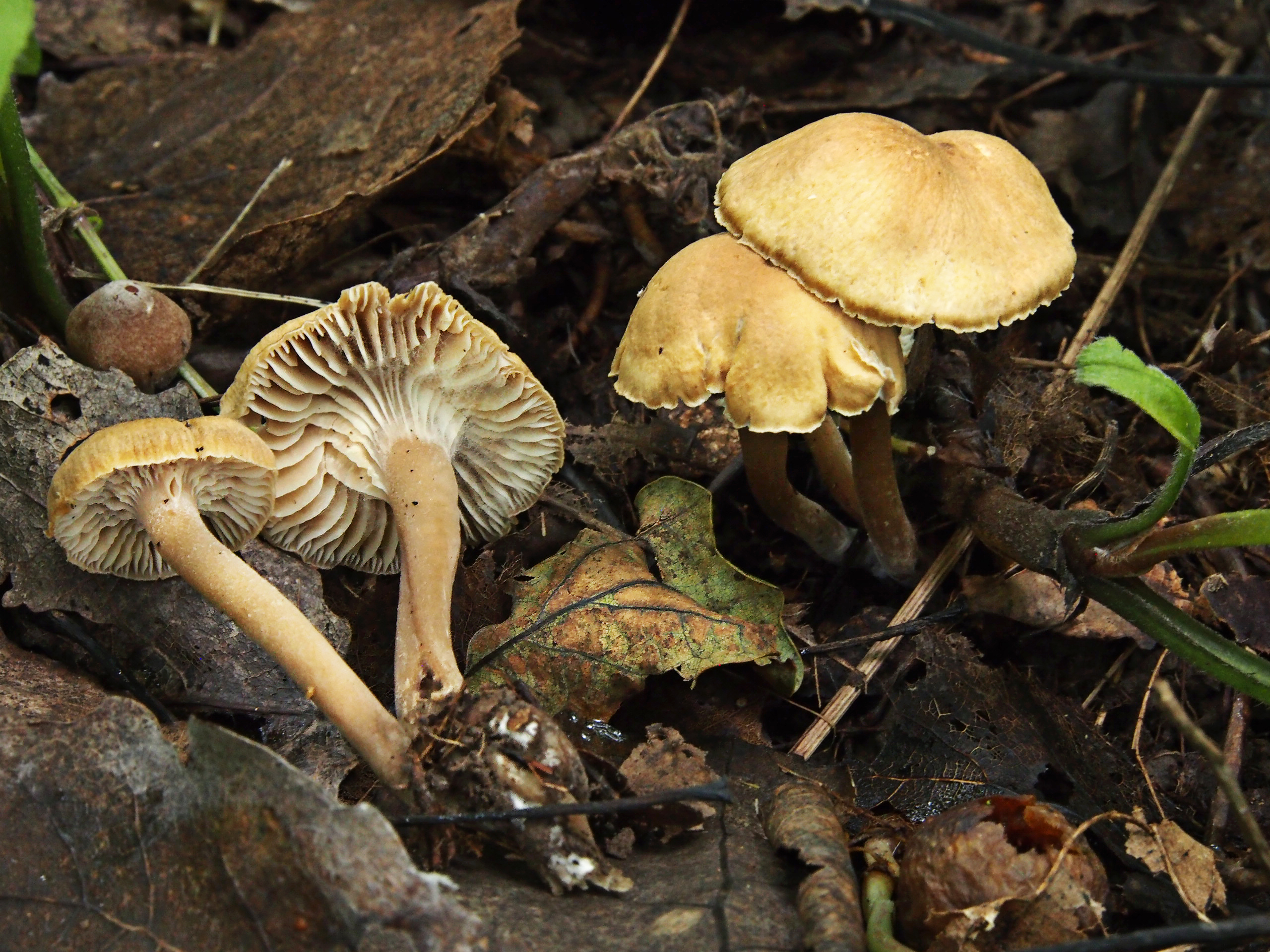
Camarophyllopsis schulzeri (Bres.) Herink
- Scientific name
- Camarophyllopsis schulzeri
- Author
- (Bres.) Herink
- Common names
 Matt Fanvault
 gulbrun narrevokssopp
 Graubrauner Samtschneckling, Hellblättriger Samtschneckling
 tyndbladet vokshat
 Krijtlandwasplaat
 Ljusskivig lerskivling
 Graubrauner Samtschneckling, Hellblättriger S.
 Savukedokas
 Hellblättriger Samtnabeling
 Kopułeczek łąkowy
- IUCN Specialist Group
 Mushroom, Bracket and Puffball
- Kingdom
- Fungi
- Phylum
- Basidiomycota
- Class
- Agaricomycetes
- Order
- Agaricales
- Family
- Incertae sedis
- Assessment status
- Published
- Assessment date
- 2021-04-27
- IUCN Red List Category
- VU
- IUCN Red List Criteria
- A2ce+3ce+4ce
- Assessors
- Ivona Kautmanova (Slovak National Museum, Bratislava); Tea von Bonsdorff (Finnish Museum of Natural History); Tanya Svetasheva (Leo Tolstoy Tula State Pedagogical University, Russia); Armin Mešić; John Bjarne Jordal
- Reviewers
- Anders Dahlberg (Swedish Species Information Centre, Uppsala / IUCN SSC Cup-fungus, Truffle and Ally Specialist Group); Gregory Mueller (Chicago Botanic Garden / IUCN SSC Mushroom, Bracket and Puffball Specialist Group)
Assessment Notes
Justification
Camarophyllopsis schulzeri is a European species of semi-natural grasslands, to a lesser degree rich forests, up to subalpine areas. These habitats are declining mainly due to changing agricultural practices, development projects and pollution (airborne nitrogen deposition). The species is Red Listed in many countries. Over the distribution range we suspect a total habitat and population decline of 30-49% over the past 50 years (approximately three generations: one generation is assumed to be about 17 years). Habitat quality has also become impaired and the decline in population size over this time could be even higher. This decline in habitat is ongoing and expected to continue over the next 50 years. The species meets the threshold for Vulnerable under criteria A2ce+3ce+4ce.Taxonomic notes
The taxonomic status of a few records in GBIF from North America and Australia is uncertain. These are excluded here, as we suspect they could belong to other taxa. No evidence of this is found. But according to Hesler and Smith (1963) the spores of one Michigan collection were slightly larger than for European material. Therefore, these non European records are considered a separate species.Geographic range
Camarophyllopsis schulzeri is widespread in many countries of northern and central Europe and Russia. There is a lack of information from southern and eastern Europe.Population and Trends
Camarophyllopsis schulzeri is widespread in Scandinavia and Great Britain, but rare to very rare in the rest of Europe. According to GBIF (2021) and national databases there are 1,200 occurrences from Europe. The total number of localities is unknown, but supposed to exceed 10,000 and the number of mature individuals probably at least 100,000.
It is decreasing, and based on available information on trends in semi-natural grasslands, Griffith et al. (2013) estimated a habitat loss of 90% over the last 75 years for the CHEG-fungi (grassland fungi of Clavariaceae, Hygrocybe s.l., Entoloma and Geoglossaceae) as a whole in Western Europe. According to the Food and Agriculture Organization of the United Nations (FAO), the area of grasslands in the EU declined by 12.8% over 13 years (1990-2003) (FAO 2006). Also other sources point to a habitat loss in semi-natural grasslands of roughly 1% per year in Europe over a longer time, although the data quality is not always very good. The habitat quality of semi-natural grasslands is also declining, strengthening the population decline. About half of European grassland habitats are of a threatened conservation status (Janssen et al. 2016). A lesser part of the population occur in calcareous forests which have also declined, probably 15-20% in 50 years. Over the whole distribution range we assume a total habitat loss and population decline of 30-49% over the last 50 years (three generations). As the habitat quality is also declining, the population decline could be higher, but this is uncertain. Much of European grasslands have bad habitat quality. This trend is ongoing and expected to continue in the future (Janssen et al. 2016).
Population Trend: Decreasing
Habitat and Ecology
Camarophyllopsis schulzeri is a characteristic species of old, unimproved, low productive grasslands on loamy, weakly acid to basic, often calcareous soils. It occasionally grows also in scrub and rich deciduous (broadleaved) forests on moist to dry, base-rich soils (Boertmann 2012). It is found up to 960 m asl in Norway (northern boreal zone) and to 1,240m asl in Switzerland. Like waxcaps, the species probably lives in biotrophic association with herbaceous plants, but details are unknown (Halbwachs et al. 2018). In Norway, most localities of the species are semi-natural grasslands, while ca. 6.5% of the ca. 260 localities are rich broadleaved forests (Jordal et al. 2016). A similar habitat pattern is reported from Sweden, Denmark and other countries. In Russia, the situation is generally the same, but most of the finds are associated with calcareous soils, including areas with pronounced karst formations. The fruit bodies are short-lived (weeks), but the mycelium is suspected to be long-lived; 50-100 years.Threats
Threats are grassland improvement (fertilizer application and soil disturbance) for agro-industry farming, abandoning of low productive grasslands, and forest plantations on poor grassland sites. Moreover the species is vulnerable for acidification and nitrogen deposition. Also in some places changed land use with the construction of roads, industrial areas, settlements etc. Declines are expected to continue, as areas of semi-natural grasslands are of little economic importance in modern agriculture. Most CHEG grasslands (see Population) are among types assessed as VU, EN or CR in the EU Red List of habitats (Janssen et al. 2016). Additionally, forests where the species has been noted may be under logging pressure.Conservation Actions
Its habitats should be protected against destruction due to intensification of agriculture, any commercial use of calcareous forests, or development plans. The maintenance of semi-natural grasslands demands yearly grazing or mowing. Grazing by heavy animals destroys part of the soil, light animals like sheep should be recommended. Habitat conservation by governmental support to traditional agricultural practices is most important, this exists in many countries to maintain extensive agricultural areas, and should be extended to larger areas than today.Further ecological research is needed to clarify the nutrient strategy of Camarophyllopsis species. Phylogenetic studies of related species in America and Australia are also required, as are management plans. Habitat trends should be monitored. It is listed in multiple national Red Lists including as Critically Endangered in Austria (Demon and Krisai-Greilhuber 2016) and Switzerland (Senn-Irlet et al. 2007), Vulnerable in the Netherlands (Arnolds and Veerkamp 2008) and Near Threatened in Norway (Brandrud et al. 2021), Sweden (SLU Artdatabanken 2021) and Finland (Hyvärinen et al. 2019).